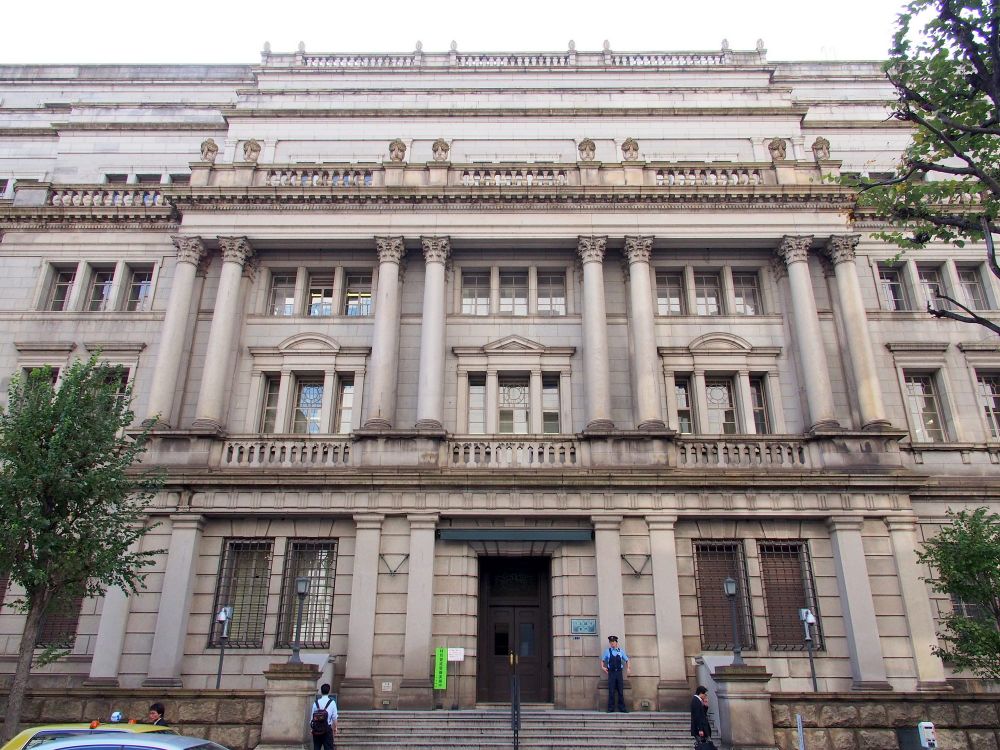
The Bank of Japan raised its policy rate to a 31-year high of around 1.0% on Tuesday, delivering a landmark step in the normalisation of Japanese monetary policy as war in the Middle East pushed up energy prices and inflation risks. The Policy Board lifted the guideline for the uncollateralized overnight call rate by 25 basis points from around 0.75%, effective 17 June 2026.
The decision was taken on a 7-1 vote, with board member Toichiro Asada dissenting. Governor Kazuo Ueda was absent from the meeting for medical treatment, and Deputy Governor Ryozo Himino presided.
RATE STRUCTURE AND OPERATIONAL SETTINGS
Alongside the change to the policy rate, the interest rate applied to the complementary deposit facility was raised to 1.0% and the basic loan rate to 1.25%.
By lifting the overnight call rate guideline to around 1.0%, the board took Japanese short-term rates to their highest level since 1995. The move builds on the earlier steps taken to exit negative rates and yield-curve control.
Asada dissented, considering that, regarding the impact of the situation in the Middle East, downside risks to production and employment were greater than upside risks to prices, and that it was desirable to keep the guideline unchanged.
BOND BUYING AND FORWARD PATH
The board also decided, by a 7-1 vote with Naoki Tamura dissenting, to keep reducing monthly JGB purchases by about ¥200 billion each quarter until January–March 2027 and to hold them at about ¥2 trillion a month from April 2027. The Bank said it would no longer conduct interim assessments of the purchase plan but stood ready to amend the pace at its policy meetings if deemed necessary.
The Bank said price pass-through from higher crude oil prices had been progressing at a relatively fast pace in business-to-business transactions and could spread to consumer prices, and that there was a risk of underlying CPI inflation deviating upward above its 2% target.
Financial markets had been positioned for a hike into the meeting, with press reports flagging the move in the days beforehand.
The Bank said it would continue to raise the policy interest rate and adjust the degree of monetary accommodation in response to developments in economic activity, prices and financial conditions, while monitoring the impact of the situation in the Middle East.