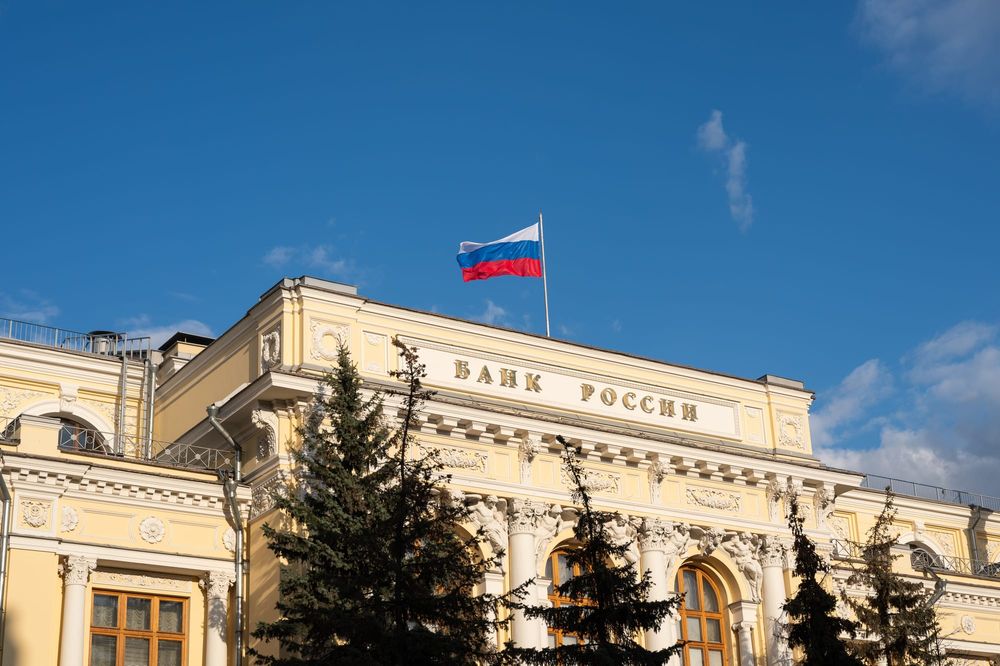
The Bank of Russia kept its key rate at 14.00% per annum on 23 October, after its Board of Directors decided to hold. Annual inflation stood at 6.8% as of 19 October and is expected to come in at 7.1–7.6% at the end of 2026.
Policymakers slightly increased their full-year inflation forecast, though they still expect price growth to fall toward the 4% target next year. Despite the more bearish inflation outlook, the Central Bank raised its forecast for 2026 GDP growth to a range of 0.5% to 1%.
UNDERLYING INFLATION HAS YET TO EASE
Underlying price growth has not yet decreased and remains in the range of 5–6% in annualised terms. The Bank of Russia attributed this primarily to a temporary reduction in production capacities in certain sectors.
Seasonally adjusted price growth averaged 8.0% in annualised terms in the third quarter of 2026, compared with 4.8% in the second quarter. Core inflation rose to 6.2% from 4.5% over the same period.
RATE PATH AND LABOUR MARKET
The baseline scenario assumes that the key rate will average 12.5–13.5% per annum in 2027. The central bank said the economy as a whole is growing at a moderate pace in the second half of 2026.
Unemployment is close to its lowest levels, the central bank said. Wage growth is slowing and gradually converging with labour productivity growth, although the gap between them remains significant.
CREDIT, EXPECTATIONS AND SENTIMENT
Lending activity was elevated in the third quarter on average, driven primarily by the corporate segment. Non-price bank lending conditions have tightened somewhat, specifically as regards credit quality requirements for corporate borrowers.
Inflation expectations of households and businesses slipped slightly in October but have generally remained near two-year highs in recent months. Households' propensity to save has decreased slightly but remains high, while business sentiment improved somewhat in October from low levels in previous months.
BACKDROP TO THE HOLD AND NEXT MEETING
The central bank had gradually lowered its policy rate from 21% to 14% through a series of cuts that began in June 2025. The hold, which analysts widely expected, comes as spending on the war in Ukraine continues to strain the government's finances. Ukrainian drone and missile attacks on energy infrastructure and commercial sites in recent months have raised the cost of some goods and services.
Officials have argued that some of the more recent price increases are rooted in one-time factors, such as Ukraine's strikes on oil refineries raising the cost of gasoline and diesel. Inflation is also a growing concern globally, as the war in Iran pushed oil above $114 per barrel on Friday for the first time since May. The Central Bank's next rate meeting takes place on 18 December.