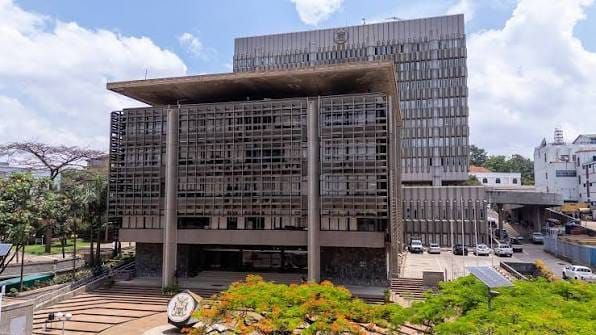
Bank of Uganda raised its benchmark rate from 9.75% to 12%, citing inflation risks from higher fuel prices, a weakening shilling and external pressures. Governor Michael Atingi-Ego announced the increase of 2.25 percentage points on 14 October after a special meeting of the Monetary Policy Committee.
The central bank also raised the cash reserve requirement for commercial banks from 11% to 13.5%. The measure is intended to absorb excess liquidity and strengthen the transmission of monetary policy. The bank said the reserve requirement adjustment took effect on 24 September 2026.
Bank of Uganda lowered its economic growth projection for the 2026/27 financial year from between 7% and 7.5% to between 6% and 6.5%. It now expects headline inflation to average between 7% and 7.5% over the next 12 months, and core inflation between 5.5% and 6%.
Uganda's external position has also come under pressure, with the current account deficit widening by US$1.4 billion to US$4.6 billion. According to The Rio Times, the central bank's own indicative mid rate moved from about 4,130 shillings per US dollar at the opening to about 3,951 at the close.
Annual headline inflation rose to 4.6% in September from 4.1% in August. Growth was estimated at 6.4% in the quarter ending September 2026, down from 6.8% in the quarter ending June.
The Monetary Policy Committee normally meets in February, May, August and November, The Rio Times noted. It also reported that the Daily Monitor, a Kampala newspaper, had said on 5 October that the currency had sunk to its weakest level on record.