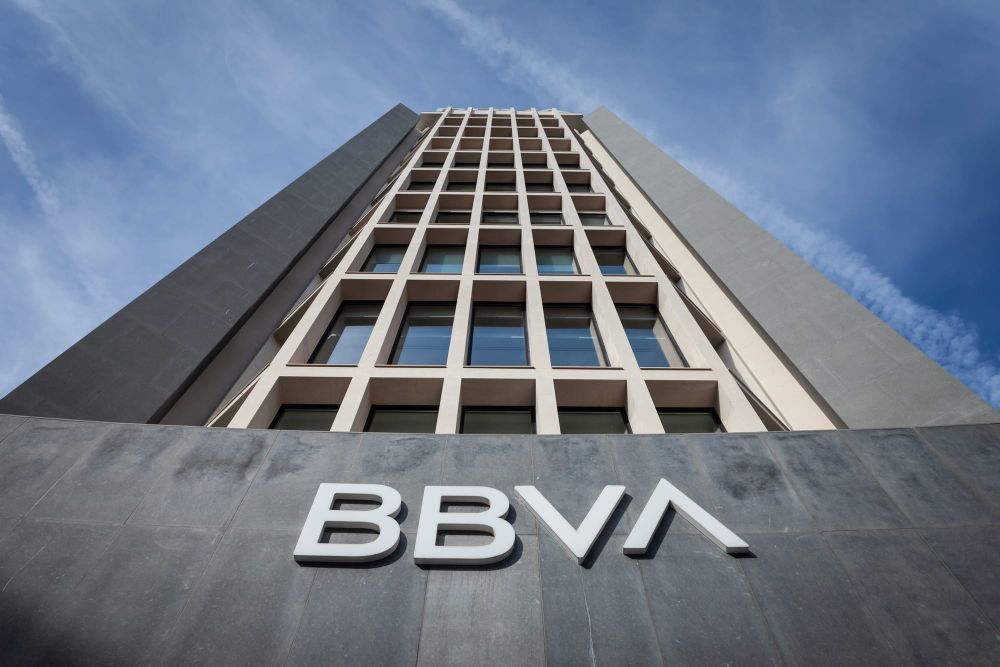
BBVA has approached Banco Sabadell with a proposal for a friendly merger, a combination that would produce the second-largest bank in Spain by total assets. The initial approach was made in early 2024, marking one of the most consequential consolidation moves in the Spanish banking sector in recent years, with implications that extend well beyond the two institutions directly involved.
The two institutions have long operated in overlapping markets across Spain, and a tie-up would bring together BBVA's broad international footprint with Sabadell's deep retail and small-business franchise, particularly in Catalonia. Sabadell's board, however, rejected the friendly terms presented by BBVA, leaving the outcome of the proposed combination uncertain at this stage and raising questions about what steps either party might take next.
SCALE AND STRATEGIC RATIONALE
A merged entity carrying the assets of both lenders would rank second in Spain only to Santander, creating a significantly larger domestic competitor and potentially reshaping the competitive landscape for retail lending, corporate finance, and wealth management across the country. The scale argument has been a persistent theme in European banking, where regulators and investors alike have encouraged consolidation to improve capital efficiency and profitability in a market long fragmented by national boundaries.
BBVA has in recent years pursued a strategy of growth in high-return markets, and the Spanish domestic business would offer a natural complement to its positions in Mexico, Turkey, and South America. Adding Sabadell's customer base and branch network would strengthen its standing at home while providing cost-reduction opportunities through the elimination of duplicate functions and infrastructure, a logic that has underpinned numerous European banking mergers in recent years.
The approach is notable for being framed initially as a friendly transaction, reflecting BBVA's preference for a negotiated outcome that would allow management of both institutions to plan integration together. Friendly deals in the banking sector typically allow for smoother regulatory clearance and better integration outcomes, as staff, technology, and client relationships can be managed collaboratively from the outset rather than through the adversarial dynamics of an unsolicited bid.
SABADELL BOARD REJECTS TERMS
Sabadell's board declined to engage with the terms put forward by BBVA, effectively closing the door on a consensual process at this point. The rejection does not necessarily end BBVA's ambitions with respect to Sabadell, but it substantially raises the complexity and cost of any path forward. A move away from friendly terms would require a different transaction structure and would almost certainly draw greater scrutiny from shareholders, employees, and Spanish regulators.
Sabadell has itself been undertaking a programme of restructuring and refocusing its operations, including its UK subsidiary TSB, and its board may have judged that an independent strategy offers better long-term value for shareholders than accepting BBVA's approach. The Spanish government has also signalled an interest in the outcome of any major domestic banking merger, adding a political dimension to the deliberations that any acquirer would need to navigate carefully.
For Spain's broader financial sector, the episode has revived debate about whether further domestic consolidation is necessary or desirable, and whether the country's banking market can sustain its current number of significant players in an environment of shifting interest rates, digital disruption, and tightening capital rules across the eurozone.