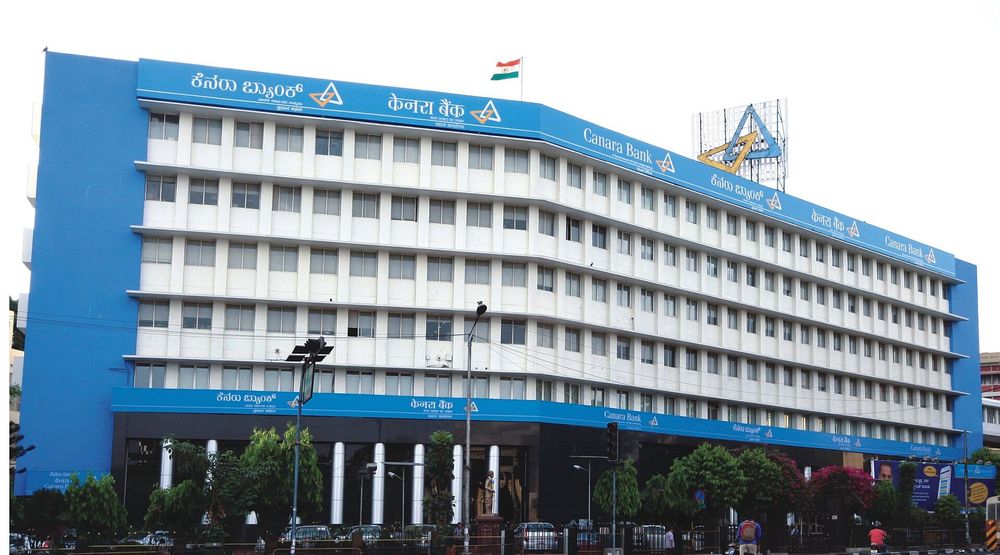
Canara Bank's new MD and CEO, Brajesh Kumar Singh, said his immediate priority was on the resources side, raising low cost deposits and improving CASA to strengthen the bank's overall efficiency and to make the bank more attractive to younger customers.
STRATEGY ON FUNDING AND EFFICIENCY
Singh framed the resource mobilisation target as central to early management action, placing emphasis on low cost deposits and current account and savings account balances. Improving CASA is a common way for banks to lower their average cost of funds and to support lending margins; by highlighting this area Singh signalled a focus on the structural economics of the balance sheet.
Management attention on deposit mix typically aims to reduce reliance on higher cost wholesale funding and on term deposits, improving net interest income over time. For lenders where deposit mobilisation has lagged, a concerted push to grow CASA usually involves reorienting branch priorities, strengthening retail distribution and adjusting pricing, while closely monitoring credit allocation and liquidity coverage.
Singh's stated priority linked funding strategy to operational efficiency, indicating that management sees a direct connection between cheaper funding and the bank's ability to deploy capital more effectively. That linkage underwrites a broader emphasis on cost of funds as a driver of profitability, rather than relying solely on lending growth or fee income.
TARGETING YOUNGER CUSTOMERS
Alongside resource goals, Singh said he wanted Canara Bank to become the preferred bank for the younger generation. Attracting younger customers normally requires product and channel adaptation, including simplified account opening, targeted savings and payments propositions and digital engagement models that foster long term customer relationships.
Competition for younger customers has intensified as fintech firms and digital banks offer low friction on-boarding and tailored services. For a traditional lender, the challenge is to combine branch and digital strengths while ensuring that customer acquisition converts into stable, low cost deposit relationships. The initiative to focus on youth customers therefore aligns with the funding objective, since younger account holders can contribute to CASA growth if engagement and retention strategies succeed.
Management statements tying customer segmentation to funding strategy suggest an integrated approach: customer acquisition and product design are being positioned as levers for balance sheet improvement, not only as channels for fee generation.
MARKET IMPLICATIONS AND OPERATIONAL RISKS
Investors and market participants typically interpret a public statement of priorities from a bank CEO as a signalling tool about near term capital allocation and risk appetite. A focus on raising low cost deposits normally reduces pressure on margin management and can create room for more selective loan growth. That said, executing a deposit mobilisation strategy requires sustained marketing, branch and digital investments, and careful behavioural management of existing customers to avoid margin erosion through competitive pricing.
Operationally, shifting deposit strategies and pursuing younger demographics can increase short term costs, as banks invest in digital platforms, marketing and staff training. The success of such programmes depends on conversion rates, deposit stickiness and the ability to cross sell higher margin products over time. Regulators monitor changes in funding composition and liquidity metrics, and banks that pursue rapid deposit growth must maintain appropriate capital and liquidity buffers.
By linking funding priorities with a customer demographic aim, Canara Bank's new chief executive set a clear scorecard for his early months in office: resource mobilisation, CASA improvement and youth engagement. How management translated those priorities into specific product, pricing or channel changes will determine the speed and scale of impact on the bank's efficiency and profitability.
Sources: The Hindu Business Line Banking