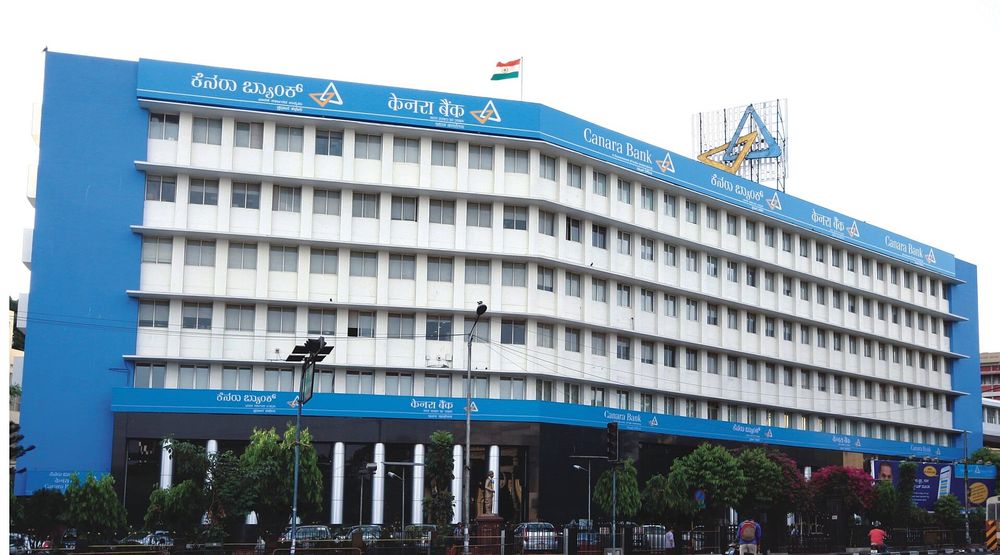
Canara Bank's new MD and CEO, Brajesh Kumar Singh, said his first priority was on the resources side, raising low-cost deposits and improving CASA, which he said would strengthen overall efficiency and support the bank's strategy to attract younger customers.
PRIORITY ON RESOURCES AND CASA
Singh framed his immediate mandate around deposit mobilisation, pointing to the need for a steadier mix of low-cost funds. He identified current account and savings account balances, commonly referred to by the industry as CASA, as central to improving the bank's resource profile and cost structure. He presented deposit growth and CASA improvement as levers to raise the bank's operating efficiency.
The focus on low-cost deposits reflected a broader industry imperative to shore up stable funding without relying solely on wholesale or term borrowing. For a bank with an expressed agenda to lower funding costs, increasing CASA typically reduces the reliance on higher-cost liabilities and can support lending expansion or margin recovery.
Improving CASA also has implications for the bank's balance between retail and wholesale liabilities, and for how the bank structures product offerings. Singh indicated a preference for resource-side measures before shifting emphasis to other priorities, which suggested management intended to address funding and cost metrics first.
TARGETING YOUNGER CUSTOMERS AND DIGITAL ENGAGEMENT
Beyond deposits, Singh set a strategic goal to make Canara Bank the preferred bank for the younger generation. He linked that objective to product design, distribution and the customer experience, signalling an emphasis on channels and services that appeal to younger account holders.
Attracting younger customers typically requires a combination of simplified digital onboarding, mobile-first services, and tailored savings and payment propositions. Singh's stated aim implied the bank would seek to align pricing, convenience and digital features to win share among younger cohorts, and to convert those relationships into more stable deposit flows.
Making the bank attractive to younger customers also carries implications for cost-to-serve and revenue mix. Younger clients often transact digitally and can generate fee income, but they can also be more price sensitive for deposit products. Management decisions on channel investment, partnership strategies and product bundles will drive how quickly the bank can convert a youth-focused positioning into deposit gains.
Market observers typically watch how a change in leadership translates into execution on deposit mobilisation and customer acquisition. Singh's articulation of priorities placed the initial emphasis on the funding base, with customer segmentation and digital outreach presented as complementary measures to sustain deposit growth.
Operationally, delivering on the twin priorities of higher CASA and youth market share required co-ordination across retail distribution, digital teams and product management. If the bank executed on those fronts, the bank expected to see improvements in funding stability and operating efficiency over time.
Singh's comments also fed into investor and analyst assessments of the bank's near-term outlook. Resource-side improvements can ease pressure on net interest margins and reduce dependence on short-term borrowings, while stronger retail franchises can support loan growth and fee income. How the bank balanced deposit pricing, campaign spend and technology investment will determine whether these priorities translated into durable gains.
Sources: The Hindu Business Line Banking