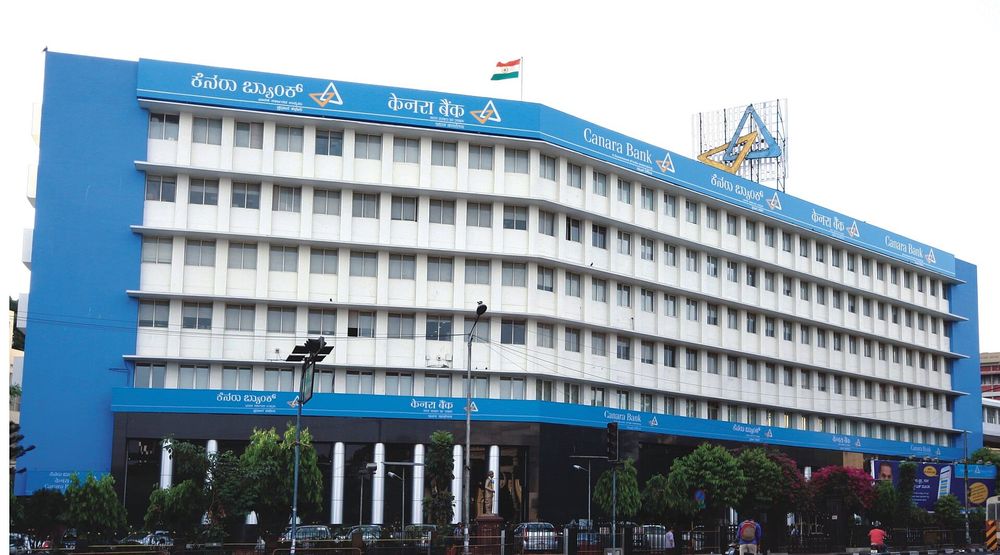
Canara Bank's new managing director and chief executive officer, Brajesh Kumar Singh, said his first priority was on the resources side, raising low-cost deposits and improving CASA, in a statement that set the tone for his tenure and for the bank's immediate strategic focus.
PRIORITIES AND STRATEGY
Singh presented a clear emphasis on deposit mix and funding costs, saying the initial focus was to shore up the bank's resource base by attracting more low-cost current and savings deposits. He framed the work on deposits and CASA as central to strengthening the bank's overall efficiency. The comments came after his appointment as MD and CEO, and outlined priorities for improving earnings capacity through a lower cost of funds rather than by short-term balance sheet moves.
The interview signalled an operational orientation to the role, with the new chief executive highlighting deposit mobilisation as a lever to improve margins and support lending. He also flagged a broader ambition to make the bank the preferred choice for younger customers, indicating a dual focus on liabilities and customer franchise.
Singh used the public platform to link resource mobilisation with customer strategy, arguing that a stronger deposit base would create scope for competitive pricing and product investment. He identified younger account holders as a strategic target for deepening relationships and expanding stable funding sources, while stressing that resource quality remained the foremost challenge.
MARKET CONTEXT AND IMPLICATIONS
Canara Bank's emphasis on raising low-cost deposits echoed a common theme across lenders operating in the current Indian banking environment, where banks have sought to improve deposit composition and reduce reliance on higher-cost funding. Strengthening CASA typically supported net interest margins and provided a buffer for banks seeking to expand lending without materially increasing funding costs.
Targeting younger customers suggested a push to convert retail relationships into stable, low-cost deposits. That strategy usually implied investments in digital channels, product design, and marketing to meet the preferences of millennials and Gen Z account holders. Singh's comments did not disclose specific product plans or timelines, but they aligned with industry practice where capturing a younger demographic is often pursued through mobile banking, streamlined account onboarding, and youth-focused savings propositions.
For institutional investors and market observers, the change in leadership and the stated resource priorities provided a clearer view of management intent. A sustained improvement in the deposit mix could enhance profitability through lower funding costs, while successful youth customer acquisition could support long-term deposit stability. Conversely, failure to lift low-cost deposits could leave pressure on margins and constrain growth without resorting to higher-cost wholesale funding.
Operationally, the focus on resources and efficiency suggested Canara Bank would concentrate internal efforts on branch and digital distribution, customer acquisition costs, and product offerings that encourage current and savings account take-up. The new chief executive's comments positioned deposit mobilisation as the immediate lever for improving efficiency, rather than making short-term adjustments to lending policy or capital structure.
Observers will watch the bank's subsequent communications and quarterly results for concrete indicators of progress, including any initiatives targeted at younger customers and measures to lift CASA. For now, Singh's public remarks provided a succinct statement of priorities that linked funding strategy with customer segmentation and operational efficiency.
Sources: The Hindu Business Line Banking