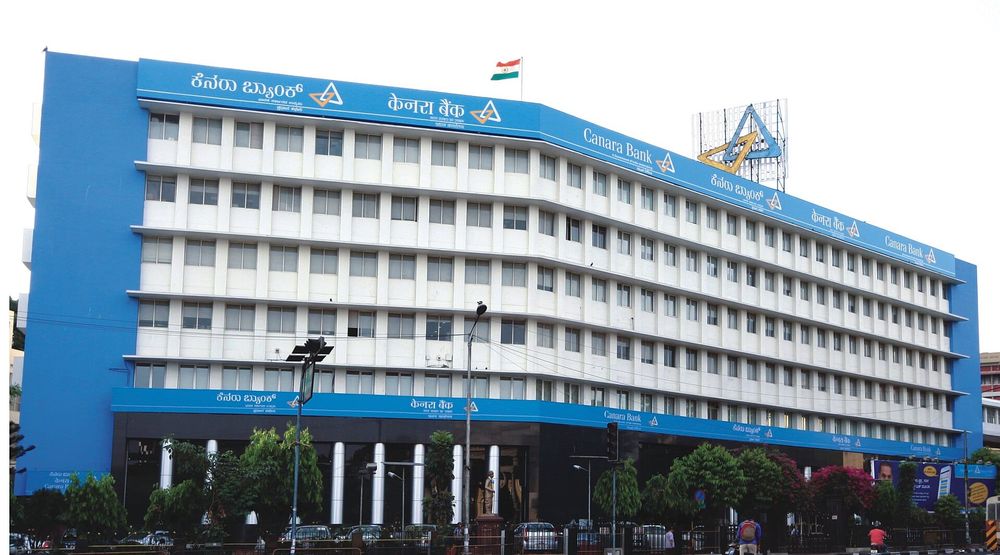
Canara Bank's newly appointed managing director and chief executive officer, Brajesh Kumar Singh, set immediate priorities on the resources side, saying he would focus on raising low-cost deposits and on improving CASA, measures he said would strengthen the bank's overall efficiency and support its strategy to become the preferred bank for the younger generation.
STRATEGIC PRIORITIES
Singh, who assumed the top executive role at one of India's large public sector banks, identified deposit mobilisation and improving the composition of liabilities as the first set of tasks. He emphasised that building a larger base of current and savings accounts would lower the bank's cost of funds and create flexibility to deploy credit where it supported the franchise.
The new chief executive framed the resource push as a tool to enhance operating efficiency rather than as an end in itself. By prioritising deposits that carry lower interest expense compared with wholesale funding, the bank aimed to free up margin and reduce pressure on funding costs, steps that typically support profitability once credit demand picks up.
Singh also articulated a customer acquisition objective, saying he wanted Canara Bank to become the preferred bank for the younger generation. The statement pointed to the bank's intention to compete for a demographic that is increasingly valuable for lifetime relationship revenues, even as it requires different product mixes and engagement channels compared with older cohorts.
MARKET IMPLICATIONS AND CHALLENGES
The twin focus on deposit quality and youth engagement has immediate market implications. A sustained increase in CASA would lower funding costs and expand the bank's capacity to lend without proportionate increases in expensive external borrowing. That dynamic typically supports net interest margin and can make capital deployment more efficient.
At the same time, converting strategic intent into measurable improvements presented familiar challenges for a large, established lender. Attracting younger customers tended to require investments in digital platforms, agile product development and a reorientation of branches and distribution, areas that often involve upfront costs and cross-functional change management.
Canara Bank's emphasis on the resource side also reflected the broader operating environment for Indian banks, where competition for low-cost deposits has intensified and where the composition of funding can materially affect profitability and resilience. Public sector banks in particular have faced pressure to improve metrics that investors and rating agencies watch, including deposit mix and cost of funds.
The new chief executive's remarks did not lay out detailed operational steps or timelines. That left room for interpretation about how quickly the bank would rebalance its liabilities and how it would prioritise competing demands such as asset growth, credit quality and operating expenses. Execution would determine whether the statement translated into measurable gains in margins, funding stability and the bank's appeal to younger customers.
Industry observers will monitor subsequent communications and results for indications on specific initiatives, such as retail product design, digital onboarding, branch strategy and targeted marketing. The extent to which these actions increased current and savings account balances, and altered the bank's deposit mix, remained the key variables for assessing the likely impact on efficiency and profitability.
Singh's comments framed his tenure around strengthening the bank's resource profile and repositioning the franchise for demographic shifts in customers. For investors and counterparties, the announcement provided a signal of priorities that could influence funding strategy and the bank's risk-return profile over the next reporting cycles.
Sources: The Hindu Business Line Banking