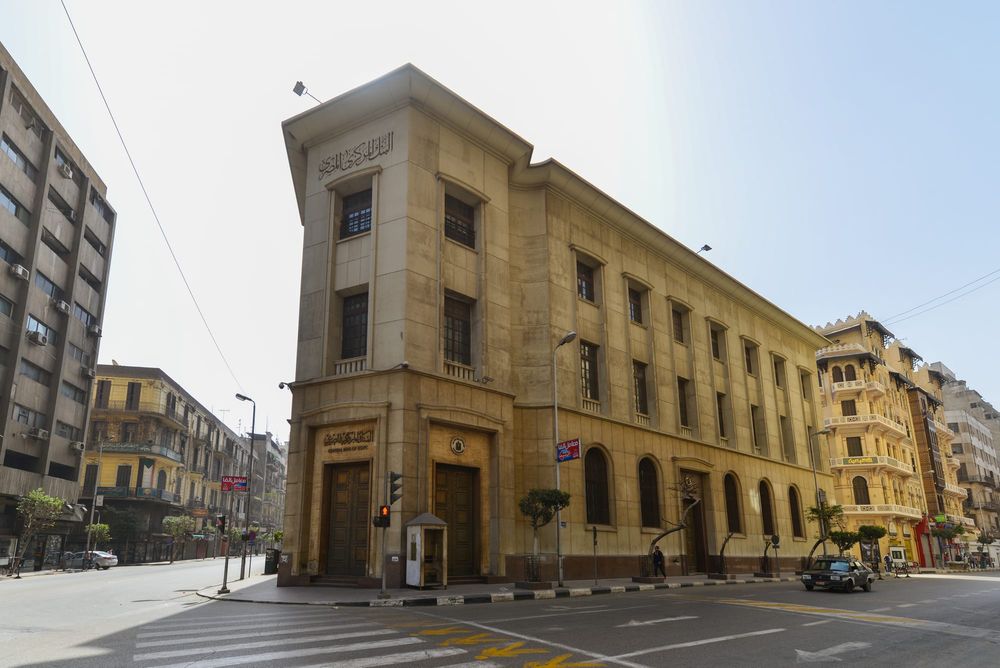
The Monetary Policy Committee of the Central Bank of Egypt reduced its overnight deposit rate by 200 basis points to 22% at its August 2025 meeting, delivering a larger-than-expected cut that caught financial markets off guard and signalled the committee's growing confidence in the durability of Egypt's disinflation trend. The overnight lending rate was simultaneously lowered to 23%, maintaining the one percentage-point corridor structure that the CBE uses to anchor short-term interbank rates. The decision was announced on 28 August 2025 and drew immediate commentary from economists who noted that the scale of the single-meeting reduction broke with the more incremental cadence that had characterised the earlier stages of the easing cycle.
The August cut brings the total easing delivered by the CBE in calendar year 2025 to 525 basis points, a striking pace of monetary loosening that reflects an acceleration in disinflation across the Egyptian economy. Headline inflation had surged to historically elevated levels in 2023 and early 2024 following a series of currency devaluations and a broader cost-of-living crisis, but the subsequent macroeconomic adjustment — underpinned by an International Monetary Fund-supported reform programme — has allowed price pressures to recede considerably more quickly than many forecasters had initially projected when the easing cycle began.
DISINFLATION DRIVES AGGRESSIVE EASING CYCLE
The decision to cut by 200 basis points in a single meeting — rather than the 100 basis-point increments that had been more common in earlier 2025 committee sessions — signals that the MPC had accumulated sufficient data to act with greater conviction. Consumer price inflation in Egypt has fallen substantially from its peak, supported by a stabilisation of the Egyptian pound following its significant depreciation in prior years, by the gradual unwinding of supply-side disruptions, and by the tightening of fiscal policy that accompanied the government's structural reform commitments under the IMF arrangement. The committee's accelerated pace of easing reflects a deliberate effort to support economic recovery and reduce the burden of high borrowing costs on the private sector.
The cumulative 525 basis points of cuts delivered through August represent one of the most aggressive monetary easing cycles in the CBE's recent institutional history. For corporate borrowers and retail lending customers, the lower rates reduce the cost of credit in an economy where high interest rates had materially suppressed lending activity and investment planning over the preceding two years. Commercial banks are expected to pass the reductions through to their lending books, though the pace of transmission will vary across institutions depending on their funding structures, deposit repricing timelines, and individual risk appetites in the current environment.
OUTLOOK FOR RATES AND ECONOMIC RECOVERY
The scale of the August cut invites speculation about whether additional easing remains in prospect before the end of 2025. The CBE did not pre-commit to further reductions at the August meeting but indicated that the Monetary Policy Committee would remain guided by incoming data, paying particular attention to monthly inflation readings, developments in Egypt's external accounts, and the pace of credit growth in the banking system. Egypt's current account position has benefited from a recovery in tourism revenues and a stabilisation of remittance inflows from Egyptians working abroad, providing the central bank with a degree of external cushion as it pursues the domestic loosening cycle.
Lower borrowing costs are expected to act as a catalyst for a gradual recovery in private-sector investment, which had been severely suppressed by the elevated rate environment and the uncertainty surrounding the currency. The government has complemented monetary easing with targeted fiscal stimulus through infrastructure investment programmes and selective subsidies. With the overnight deposit rate now at 22%, Egypt's real policy rate remains positive relative to current headline inflation, which in principle gives the MPC room to ease further if the disinflation trend continues to hold through the remainder of the year.