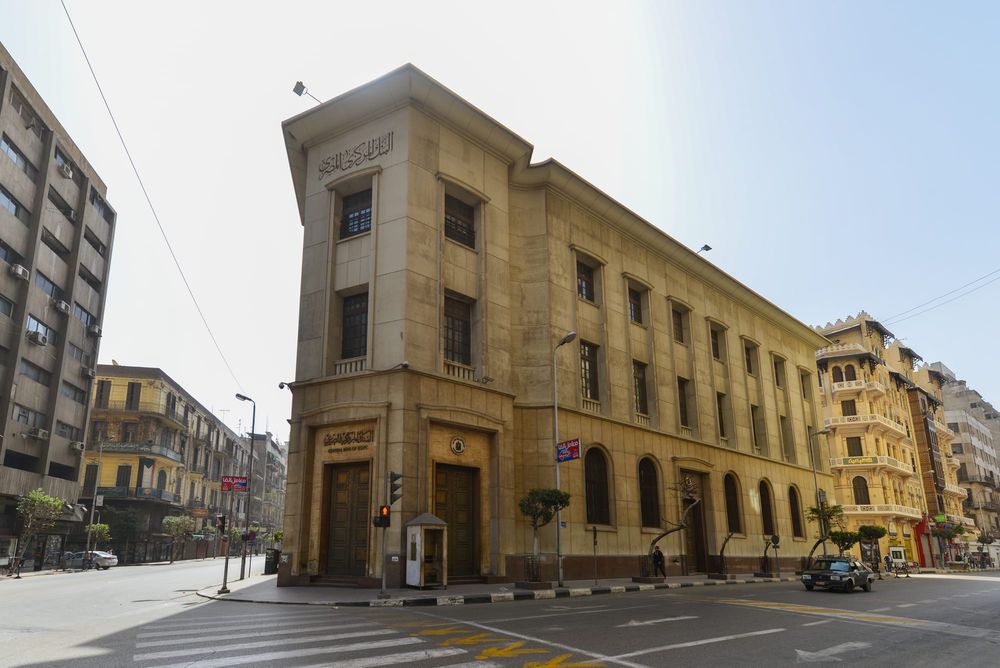
The Monetary Policy Committee of the Central Bank of Egypt voted to hold its overnight deposit and lending rates at 24% and 25% respectively at its December 2025 meeting, according to a press release published on the CBE's website. The decision to pause follows a substantial easing cycle in which the MPC delivered approximately 525 basis points of cumulative cuts during 2025, among the most aggressive sequences of rate reductions undertaken by any major emerging-market central bank in the period.
The hold reflects the Committee's assessment that the policy rate, having been reduced significantly through the second half of 2025, has reached a level where further easing requires additional confirmation that the disinflation trend is proceeding in line with the bank's objectives. Egypt's inflation had been running at elevated levels in prior periods, driven by currency adjustments, energy subsidy reforms, and broader cost pressures, before beginning to moderate in the course of the easing cycle.
INFLATION TARGET AND POLICY HORIZON
The CBE has set a medium-term inflation target of 7%, plus or minus two percentage points, by the fourth quarter of 2026. That target anchors the MPC's forward guidance and provides a framework against which financial markets and businesses can assess the likely path of monetary policy over the coming year. The December hold signals that the Committee regards the current rate level as compatible with achieving that objective, provided the disinflation trajectory remains intact.
The magnitude of the 2025 easing cycle — approximately 525 basis points across the year — reflects the speed with which conditions changed after Egypt undertook a series of macroeconomic adjustment measures earlier in the year. The shift from a defensive posture, in which the CBE had maintained high rates to anchor the pound and attract portfolio inflows, to an easing stance represented a significant pivot in monetary strategy.
Overnight rates remaining at 24% and 25% still represent a highly restrictive policy stance relative to headline inflation, even after the reductions delivered over the year. The real policy rate — the nominal rate adjusted for inflation — provides the MPC with room to cut further if conditions warrant, without moving prematurely in a way that could reignite price pressures or unsettle confidence in the pound.
MARKET AND ECONOMIC IMPLICATIONS
For Egyptian banks and their corporate clients, the December pause is a signal that the rapid reductions of earlier in the year are unlikely to continue at the same pace. Lending rates across the commercial banking sector typically adjust with a lag to changes in the CBE policy rate, meaning the full transmission of the 525-basis-point easing cycle will continue to work through the credit market in the coming months even without further cuts.
Egypt's banking sector has been navigating a period of significant structural change, including the impact of currency liberalisation on balance sheet valuations and the repricing of lending and deposit books as market rates adjusted. The MPC's communications have emphasised that the pace and extent of future easing will depend on incoming data, particularly the monthly inflation readings that feed into the Committee's assessments.
The next MPC meeting will be watched closely for any indication of whether the Committee is prepared to resume cutting or intends to maintain the current level for an extended period as it assesses the cumulative impact of the 2025 easing on economic activity and price stability.