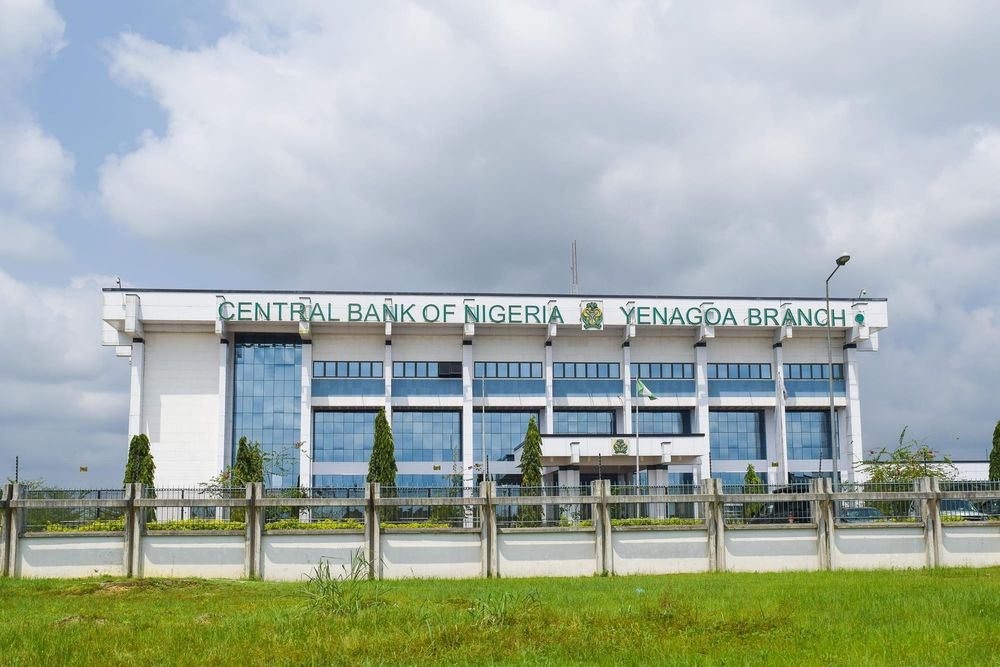
The Central Bank of Nigeria's Monetary Policy Committee voted to hold the monetary policy rate at 27.00% at its November 2025 meeting, keeping the headline rate unchanged while making a notable adjustment to the Standing Facilities corridor. The corridor was reset to plus 50 basis points above the MPR on the lending side and minus 450 basis points below it on the deposit side, a reconfiguration that alters the effective range within which overnight interbank rates can move.
The decision to hold at 27.00% comes against a backdrop of sharply falling consumer price inflation. Nigeria's CPI inflation had declined to 16.05% by October 2025, a significant moderation from the elevated levels that had characterised much of the preceding period and one that the Committee acknowledged in its deliberations. Despite the improvement, the MPC judged that maintaining the current policy rate remained appropriate given the need to consolidate gains on inflation.
CORRIDOR ADJUSTMENT SHIFTS RATE ARCHITECTURE
The reconfiguration of the Standing Facilities corridor is a technical but consequential change. By setting the lending facility at MPR plus 50 basis points and the deposit facility at MPR minus 450 basis points, the CBN has created a markedly asymmetric corridor around the policy rate. The wide gap on the lower side reduces the floor under overnight deposit rates, which can influence the distribution of liquidity across the banking system and the incentives for banks to place excess reserves with the central bank rather than deploy them into the real economy.
Such adjustments to corridor architecture are a standard tool through which central banks fine-tune the transmission of monetary policy without altering the headline rate itself. For Nigerian commercial banks, the new corridor parameters will affect how they price short-term funding and structure their treasury operations. The change also signals that the CBN is attentive to the mechanics of liquidity management even as it holds the policy rate steady.
The MPC's communication highlighted the progress made on inflation, with the decline to 16.05% representing a meaningful step down from prior highs. However, the Committee noted that the level of inflation, while falling, remains well above the bank's medium-term target range, reinforcing the case for maintaining the restrictive stance embedded in the 27.00% MPR.
DISINFLATION PROGRESS NOTED BUT RATE UNCHANGED
Nigeria's disinflation over the course of 2025 has been driven by a combination of factors including currency stabilisation following earlier foreign-exchange reforms and base effects from the prior year's elevated readings. The CBN's tightening cycle, which carried rates to 27.00%, played a supporting role in anchoring expectations and reducing the pace of credit-driven demand. With inflation at 16.05% in October, the real policy rate has moved further into positive territory, adding to the restrictiveness of current settings.
The Committee indicated it would continue to monitor the trajectory of inflation, the naira's performance, and broader macroeconomic conditions before considering any adjustment to the MPR itself. The corridor change announced alongside the hold decision gives the bank some operational flexibility in managing banking-sector liquidity without pre-committing to a shift in the headline stance. Markets and analysts will be watching subsequent inflation prints closely for any indication that the Committee may be prepared to begin unwinding the 27.00% rate in early 2026.