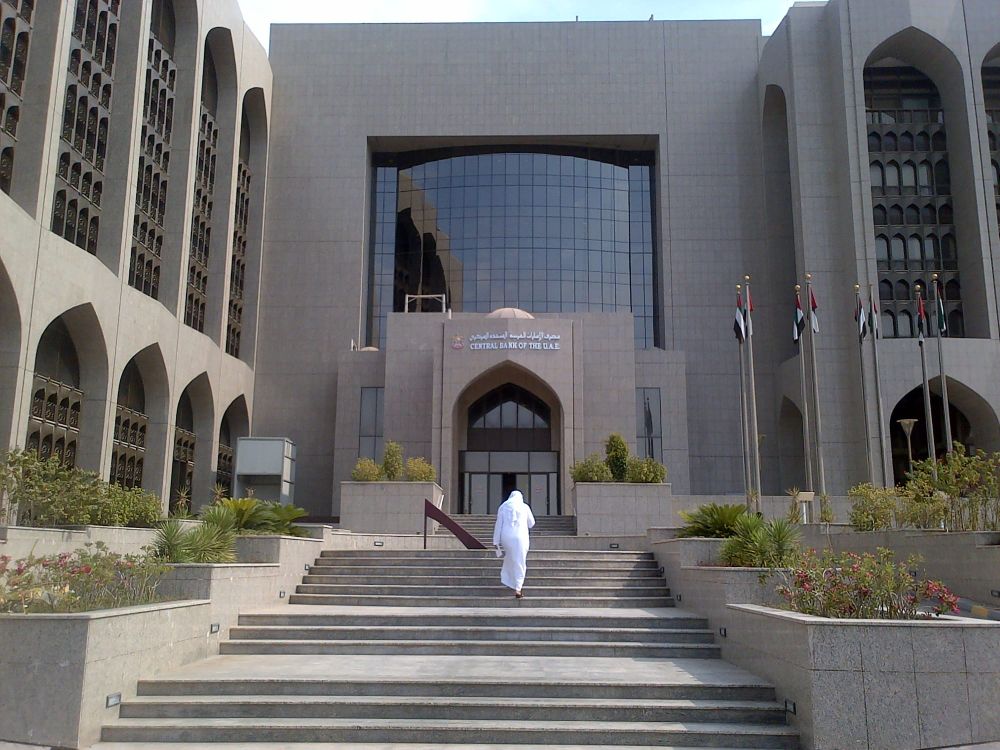
The Central Bank of the UAE reduced its base rate by 25 basis points to 3.65% on 10 December 2025, the institution confirmed in an official statement. The move represents the third consecutive cut delivered by the CBUAE in the second half of 2025 and brings cumulative monetary easing for the full calendar year to 75 basis points, marking a significant and coordinated shift in the UAE's interest rate environment over a relatively concentrated period.
The decision follows the US Federal Reserve's own December rate reduction, to which the CBUAE's policy is structurally linked by virtue of the UAE dirham's long-standing peg to the US dollar. The alignment between Gulf Cooperation Council central bank decisions and Federal Reserve monetary policy has been a defining and consistent feature of monetary management across the region, and December's move continues that well-established pattern without deviation from what market participants had broadly anticipated.
THREE CUTS TOTAL 75 BASIS POINTS IN H2 2025
Three consecutive reductions across the second half of 2025, each of 25 basis points, have together reduced the CBUAE's base rate by a cumulative 75 basis points from the level prevailing at the start of that easing sequence. This represents a meaningful shift in the cost of credit available to businesses and households operating within the UAE financial system, and reflects a broader global recalibration of monetary conditions as the inflationary pressures that dominated earlier years have progressively moderated.
The CBUAE noted in its statement that the UAE economy has continued to demonstrate resilience, a characterisation consistent with the country's robust fiscal position, strong hydrocarbon revenues, sustained tourism and hospitality activity, and the continued expansion of the non-oil private sector. Acknowledging ongoing economic strength while simultaneously cutting rates signals that the central bank views the further normalisation of borrowing costs as appropriate even in a healthy and expanding growth environment, rather than as a response to any deterioration in domestic economic conditions.
A base rate of 3.65% represents a historically meaningful reduction from the peak levels reached during the preceding tightening cycle, when the CBUAE followed the Federal Reserve through a series of hikes aimed at containing inflation that had become elevated across advanced economies and the Gulf region alike. The reversal of a substantial portion of those hikes within 2025 reflects the progress made on inflation and the changing balance of risks facing the monetary authority.
IMPACT ON UAE BANKING AND BORROWERS
The base rate change flows directly into the pricing of loans, mortgages, and corporate credit extended by UAE commercial banks, reducing headline borrowing costs for households and businesses alike. The real estate sector, which is both a significant driver of economic activity and one of the largest sources of credit demand within the UAE banking system, is among the segments most directly sensitive to movements in benchmark rates. Lower financing costs may support transaction volumes and construction activity in the months ahead.
With 2025 drawing to a close at this rate level, the trajectory of CBUAE policy in 2026 will depend heavily on the Federal Reserve's own path and the continued performance of the UAE's domestic economy across key indicators. The bank has not signalled any predetermined pace or direction for future adjustments, leaving it well-positioned to respond flexibly to shifts in global financial conditions, oil price movements, or changes in the domestic macroeconomic outlook as they materialise in the coming quarters.