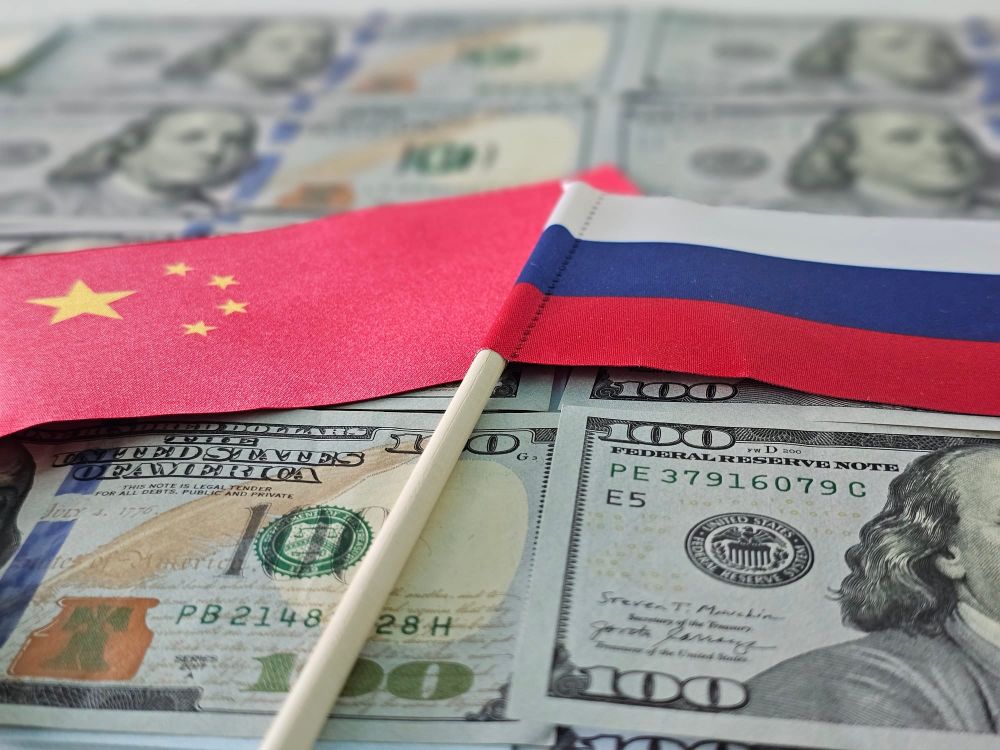
China and Russia had largely moved bilateral trade settlement away from the US dollar, but cross-border payment frictions persisted as Chinese banks carefully managed their exposure to Washington's sanctions regime, Sberbank first deputy chairman Alexander Vedyakhin said, according to the South China Morning Post.
PAYMENT BOTTLENECKS AROSE DESPITE LOCAL CURRENCY USE
The SCMP report said most trade between the two countries had shifted into local currencies, reducing reliance on the dollar for settlement. Cross-border payment bottlenecks nevertheless persisted. The senior banker said Chinese banks were carefully managing their exposure to US sanctions when handling payments.
Payment routes were becoming “many times more complex”, requiring additional intermediary banks, which often rejected payments without a detailed explanation, he said. The SCMP said Chinese banks faced a balancing act between facilitating trade with Russia and protecting their access to the US dollar-based global financial system.
IMPLICATIONS FOR DE-DOLLARISATION AND MARKETS
The SCMP presented the frictions as a sign of the practical limits of de-dollarisation, pointing to gaps in the payment infrastructure.
Sources: South China Morning Post