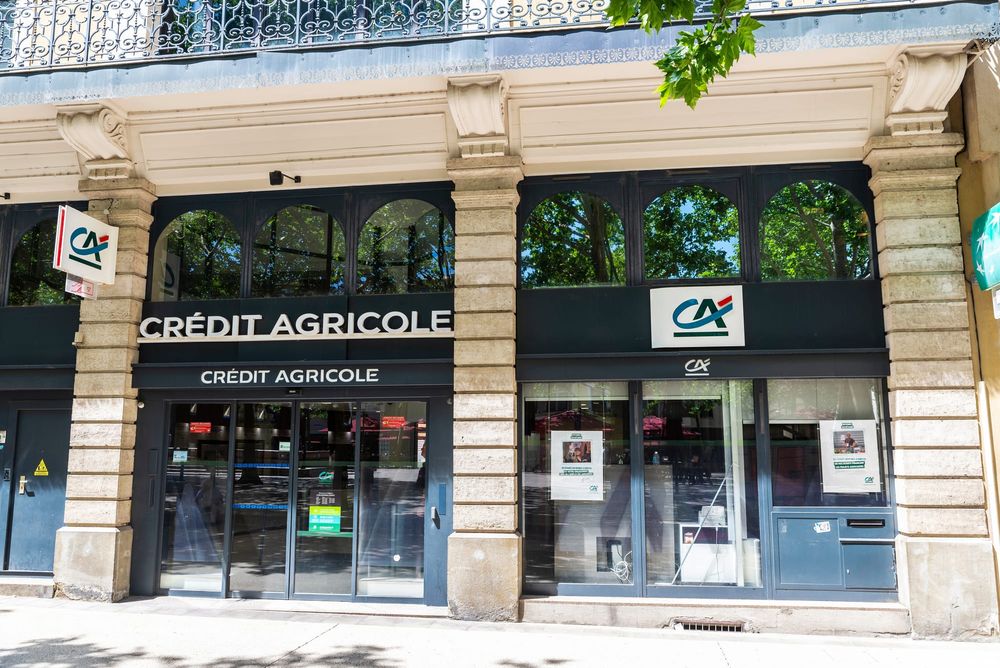
Crédit Agricole agreed to acquire 100% of IKB Deutsche Industriebank from Lone Star Funds, expanding its position in German corporate banking. IKB reported €14.3 billion of assets and an €8.2 billion loan book at the cited reporting dates. The purchase price was not disclosed. Completion is expected by the end of the second quarter of 2027, subject to regulatory approvals.
IKB specialises in financing Germany’s Mittelstand and larger corporate clients. It employs about 600 people and operates six regional offices in Germany. Crédit Agricole said the acquisition would complement its existing German activities and give the group an established local lending platform. Reuters and German reporting confirmed the signed agreement.
GERMAN CORPORATE BANKING EXPANDS
The transaction would give Crédit Agricole immediate access to IKB’s customer relationships, staff and domestic balance sheet. That is materially different from building a corporate-banking franchise through incremental hiring or cross-border lending. The target’s regional footprint also brings coverage of several German industrial centres.
Crédit Agricole estimated that the acquisition would reduce its common equity tier one ratio by about 20 basis points at closing. That figure describes the expected capital effect rather than the undisclosed consideration. The final impact can still change before completion as balance sheets and regulatory requirements evolve.
APPROVALS DEFINE THE TIMETABLE
The agreement requires antitrust clearance, review under the European Union’s foreign-subsidy rules and approval from the European Central Bank. Until those conditions are met, IKB remains under its existing ownership and the transaction is not complete. Any remedy or extended review could alter the expected timetable.
The next concrete milestones are the relevant regulatory decisions and confirmation of closing. Investors will also watch how Crédit Agricole plans to integrate IKB while preserving client relationships and risk controls. The acquisition’s strategic value will depend on execution in Germany’s competitive mid-corporate lending market.