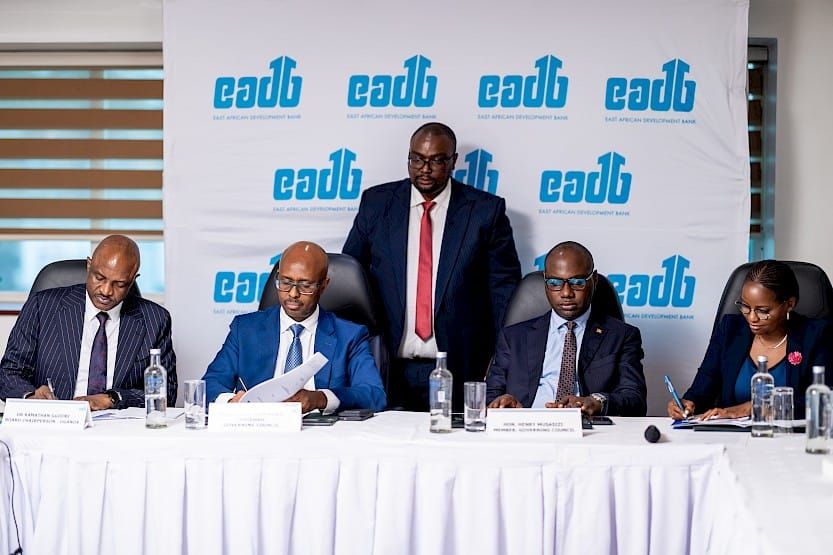
The East African Development Bank appointed Anne Juuko as director general with effect from 2 October 2026. She succeeded Benard Mono, the bank’s senior director for finance and treasury, who had led the institution on an acting basis. The appointment accompanied Governing Council decisions to implement reforms intended to strengthen the regional development lender’s performance.
Juuko joined EADB after serving as Standard Bank Group’s regional head of global markets for Eastern Africa. Her career of more than 20 years also includes service as managing director and chief executive of Stanbic Bank Uganda, leadership of corporate and investment banking at Standard Bank Namibia, and senior roles at Citibank in Kenya and Uganda. EADB said that experience across banking, capital markets and executive management would support its next phase.
LEADERSHIP HANDOVER AND REFORMS
The formal transition took place in Kampala, where Mono handed over the instruments of office. EADB’s Governing Council credited him with maintaining continuity during the period after former director general Vivienne Yeda completed her tenure in December 2024. The bank’s management page now lists Juuko as its director general and legal representative responsible for day-to-day business under the board’s strategic direction.
EADB said its profit before tax increased by 51% in 2025 and loan disbursements rose by 140%. The institution also retained investment-grade ratings of A from S&P Global and Baa3 from Moody’s, both with stable outlooks. The Governing Council described stronger governance as the basis for translating that financial momentum into greater support for member states.
LONG-TERM CAPITAL MANDATE
Juuko said her priorities would include deepening EADB’s development-finance role, unlocking additional sources of long-term capital and building partnerships that widen the bank’s regional reach. EADB has operated for almost six decades and finances projects intended to support economic integration and development in East Africa. Her appointment therefore links a senior commercial-banking and markets career with a mandate focused on regional investment.
The leadership change gives EADB a permanent director general after the interim period, but the effect of the accompanying reforms will depend on implementation. Disclosures on the reform programme, capital mobilisation and subsequent loan disbursements will provide the clearest measures of progress. The next material milestones will be the bank’s detailed strategy under Juuko and evidence that new financing commitments extend its development impact.