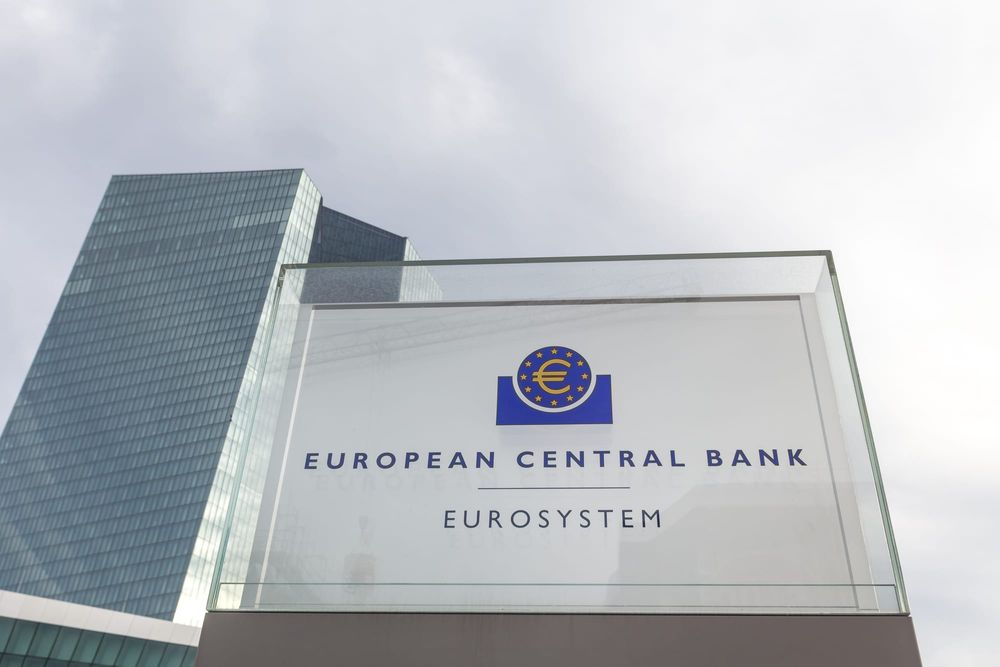
The European Central Bank held its deposit facility rate at 2.00 per cent at its July 2025 monetary policy meeting, stepping back from the easing cycle that had produced eight consecutive rate reductions beginning in June 2024. The decision, announced on 24 July 2025, was framed around a clearly data-dependent stance as the Governing Council assessed the incoming flow of economic and inflation data before determining whether further adjustments to borrowing costs were warranted in the months immediately ahead.
The pause comes at the conclusion of one of the most sustained easing cycles the ECB has conducted, during which the deposit facility rate was cut in successive steps over roughly thirteen months. The cumulative reduction moved the rate to a level that many economists and market participants regard as broadly neutral — neither meaningfully restrictive nor actively stimulative for the Eurozone economy — at a point when inflation across the single currency area has approached the ECB's stated 2 per cent medium-term objective.
INFLATION NEAR TARGET FRAMES DECISION
The Governing Council noted that inflation was running close to its 2 per cent target at the time of the July decision, a development that reduced the urgency that had characterised the earlier phases of the easing cycle. When inflation was running well above target, the case for cutting rates rested on a clear and pressing gap between actual price growth and the policy goal. With that gap substantially closed, policymakers shifted to a more deliberative posture, seeking confirmation from the data that the disinflationary trajectory is durable before committing to further rate reductions.
The ECB's explicitly data-dependent approach means that the pace and direction of any future adjustments will be calibrated to incoming information on price developments, economic activity, wage growth and financial conditions across the Eurozone. The Governing Council declined to pre-commit to a specific future path for rates beyond the July decision, preserving maximum flexibility to respond to evolving economic circumstances — whether that involves holding the rate at current levels for an extended period, resuming cuts, or adjusting in response to an adverse shift in the outlook.
SIGNIFICANCE OF THE FIRST PAUSE
The July pause carries signal value precisely because it follows such an unusually consistent run of consecutive rate reductions. Eight successive cuts represent a high degree of directional consistency for a central bank that typically operates with a strong preference for gradualism and conditionality, and the decision to hold rates steady indicates that policymakers believe the current level is more aligned with prevailing economic conditions than a continuation of the easing path would suggest.
Financial markets had broadly anticipated a hold at the July meeting based on public communications from ECB officials and Governing Council members in the weeks preceding the formal announcement. The central debate for market participants and economists now concerns whether the July pause marks a temporary interruption before the easing cycle eventually resumes, or whether it signals the beginning of a more sustained plateau as the Governing Council carefully watches the incoming data unfold. The ECB's emphasis on conditionality deliberately leaves that question open, in keeping with its longstanding communication approach.