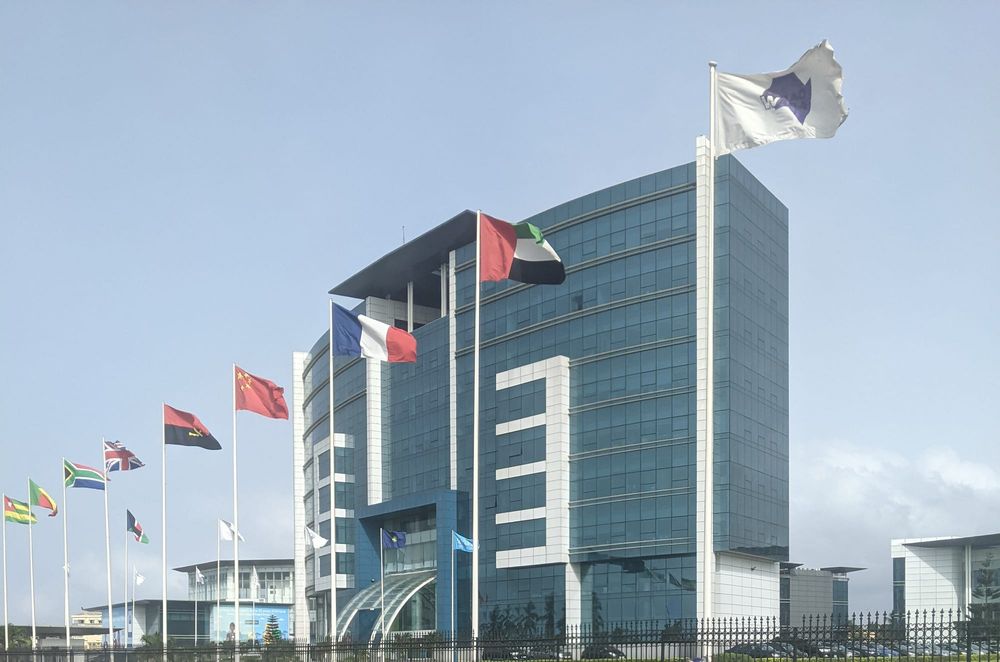
Ecobank committed $2.6 billion of targeted lending by 2030 for women-led enterprises and agricultural small and medium-sized businesses across Africa. The pan-African bank allocated $2 billion to its Ellevate programme for women entrepreneurs and $600 million to agriculture-focused SMEs. It announced the plan on 24 September at an Ecobank@40 media conference in Lomé, covering its network of 34 African markets.
The bank aims to increase its base of women-led formal-business clients from more than 110,000 to 400,000. It also plans funding pathways for as many as one million female microentrepreneurs by 2030. Ecobank did not disclose country allocations or an annual lending trajectory.
ELLEVATE EXPANDS CREDIT FOR WOMEN-LED FIRMS
Ecobank said Ellevate would offer unsecured and partly secured credit supported by risk-sharing and guarantee partnerships with development finance institutions. The programme will target women-led businesses in sectors including agribusiness, education and healthcare. The bank also plans to provide business management, export readiness, leadership and sustainable agricultural training.
The bank plans to connect participating businesses through its Single Market Trade Hub, which it said includes more than 60,000 companies. Ecobank said the platform can link buyers and suppliers across borders and support multicurrency settlement. The bank framed this infrastructure as a route for women-owned firms to participate in trade under the African Continental Free Trade Area.
AGRIBUSINESS PLAN COVERS THE FULL VALUE CHAIN
The $600 million agriculture allocation targets a farm-to-fork chain spanning farmers, aggregators, processors, logistics businesses, traders and exporters. Ecobank said the lending would support climate-smart agriculture, rural digital payments and structured trade finance. Ecobank said the approach is intended to support regional food markets while reducing Africa’s dependence on food imports.
Group CEO Jeremy Awori said: “Africa cannot industrialise by financing harvests alone, nor can it achieve its full potential while women face structural capital gaps.”