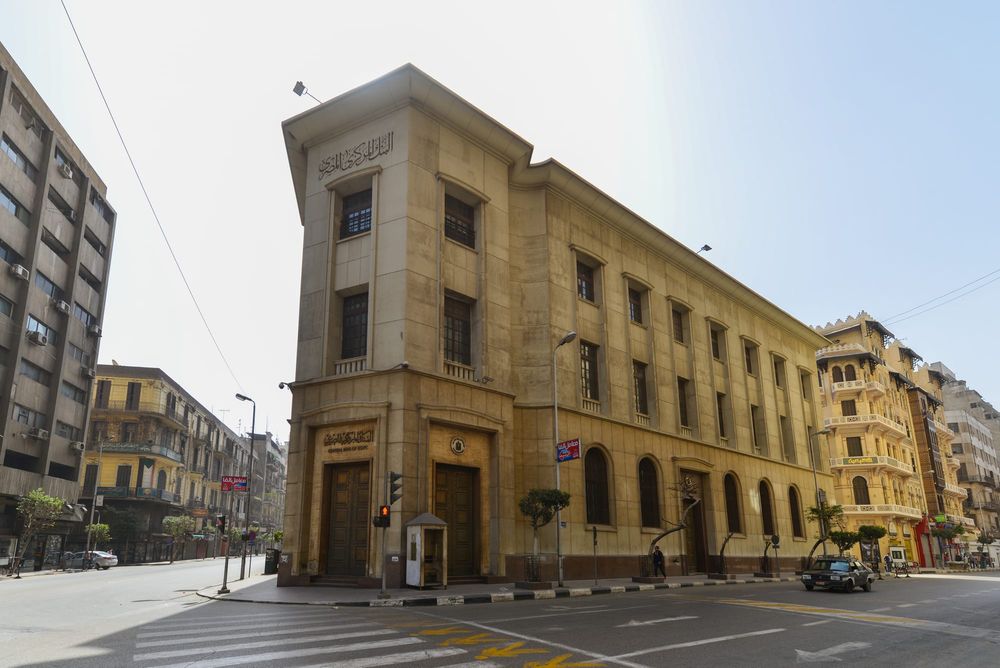
Egypt recorded an overall balance-of-payments surplus of $2.8 billion in the 2025/26 fiscal year, according to Central Bank of Egypt data published on 12 October. The prior year had produced a $2.1 billion deficit. Net inflows through capital and financial transactions increased to $23.2 billion from $10.2 billion. The figures mark a substantial change in the country’s external accounts.
Independent Egyptian reports said net foreign direct investment reached about $18 billion, while portfolio inflows were about $4.2 billion. Those flows helped offset pressures elsewhere in the balance of payments. The overall balance is distinct from the current account and should not be interpreted as a trade surplus. It captures the combined effect of current, capital and financial transactions.
CAPITAL INFLOWS STRENGTHENED
The increase in capital and financial inflows was the largest numerical swing reported in the release. Foreign direct investment is generally regarded as more durable than portfolio flows because it is tied to ownership and long-term projects. Portfolio investment can respond more quickly to interest rates, exchange-rate expectations and global risk sentiment.
A stronger overall balance can support foreign-exchange liquidity and the central bank’s ability to meet external obligations. It does not remove exposure to shifts in investor appetite or future import and debt-service demands. The quality, maturity and sector allocation of the inflows will therefore matter alongside the headline total.
DURABILITY WILL BE TESTED
The full-year outcome provides a broader measure than monthly reserve movements or partial-year data. It also offers a baseline for assessing whether reforms and investment commitments are translating into sustained foreign-currency receipts. Further detail is needed to separate one-off transactions from recurring flows.
The next balance-of-payments update will show whether the surplus persisted into the new fiscal year. Analysts will watch the current-account balance, direct investment, portfolio movements and external borrowing. A durable improvement would require the inflow mix to remain resilient as domestic and global financing conditions change.