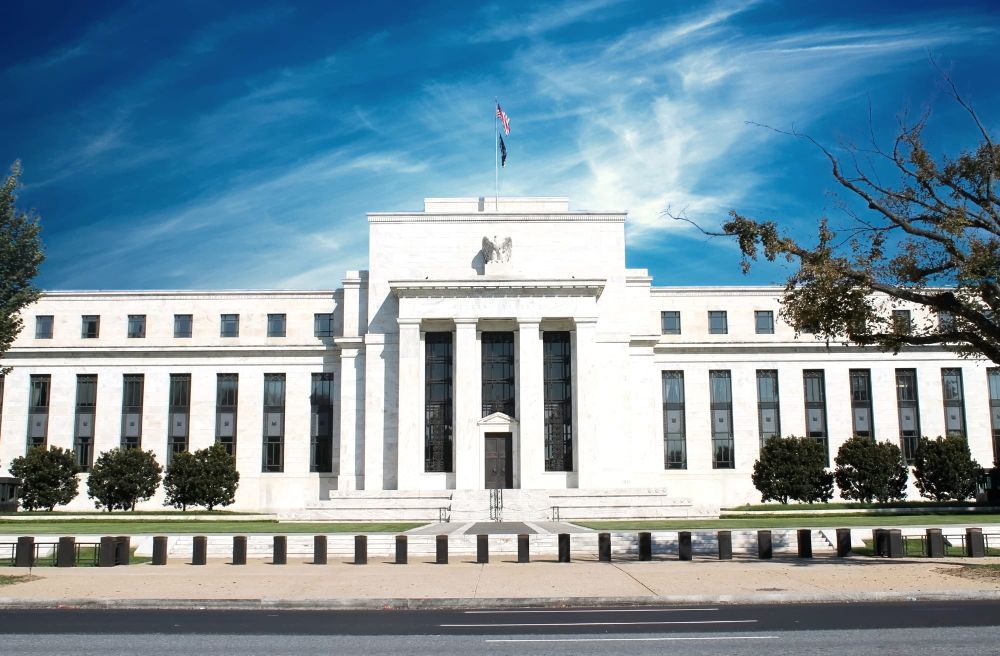
The Federal Reserve began restructuring its bank-supervision function into five geographic regions, Vice Chair for Supervision Michelle Bowman said on 6 October. Each region will have a leader accountable for all supervisory activity within its boundaries. Examiners will remain at existing Reserve Bank locations, while the new structure will follow state lines more closely. The change is intended to clarify decision-making responsibility and improve coordination with state and federal regulators.
Bowman linked the reorganisation to an independent review of the Federal Reserve’s supervision of Silicon Valley Bank. She said the review identified a mismatch between decision-making authority and accountability, compounded by a large network of supervisory committees. Reuters reported that interviews for the five regional leadership roles are expected to begin early in 2027. The restructuring forms part of a wider shift towards supervision focused on risks capable of causing material financial harm.
ACCOUNTABILITY MOVES TO REGIONAL LEADERS
The five-region model will consolidate leadership without moving examination teams from their present offices. Bowman said this should preserve local knowledge while producing more consistent supervisory decisions. The Federal Reserve’s current system relies on 12 regional Reserve Banks to conduct examinations under policies set in Washington. The reform seeks a clearer link between the Board’s responsibility for supervision and the officials executing it.
Bowman also criticised excessive reliance on committees, saying it could delay action and obscure responsibility when material risks emerged. The revised approach encourages examiners to use judgement, escalate serious concerns and concentrate on financial condition rather than procedural shortcomings. The central bank has already published operating principles and examination manuals intended to make supervisory expectations more transparent. Implementation will determine whether those standards become consistent across the new regions.
ASSET THRESHOLDS FACE FURTHER REVIEW
The Federal Reserve also plans to consider broader structural reforms to asset-based bank groupings later in 2026. Bowman said fixed dollar thresholds can move relatively simple institutions into supervisory tiers designed for more complex banks as the economy expands. Officials will consider updating those thresholds and creating a mechanism to revisit them every five years for inflation and economic growth. Any resulting changes would affect when banks become subject to stricter capital, liquidity and stress-testing requirements.
The immediate milestone is the creation of the regional leadership structure, followed by recruitment for the new posts. Later Board consideration of asset thresholds will show how far the organisational overhaul is paired with changes to regulatory scope. Banks will also watch the final revisions to the CAMELS rating system and the large-bank tailoring framework. Those decisions will determine the practical effect of the new supervisory architecture beyond reporting lines.