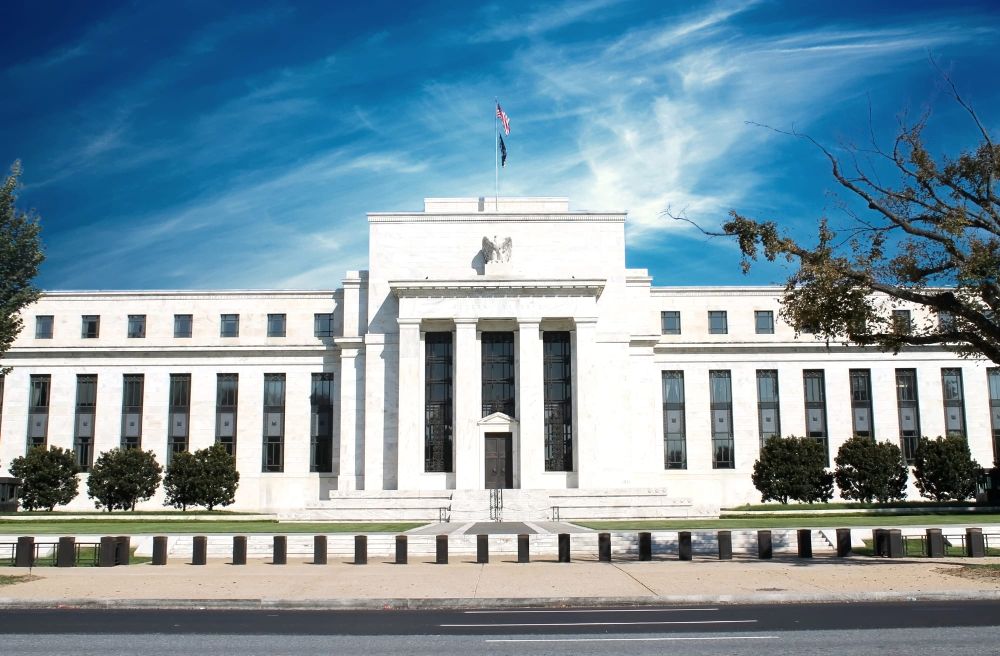
The Federal Reserve finalised two rules on 30 September to make its annual stress tests more transparent and reduce volatility in the capital requirements they generate. The first rule requires annual public input on stress-test scenarios and material model changes. The second will average results from the two most recent supervisory tests when calculating stress capital buffers, beginning in 2028.
The stress test assesses whether large banks can remain sufficiently capitalised and continue lending through a severe recession. The final rules largely follow proposals issued in 2025, after the Board said in December 2024 that it would modify the framework. The proposals followed a lawsuit by industry groups including the American Bankers Association and the Bank Policy Institute challenging the stress-testing framework as too opaque.
PUBLIC INPUT AND MARKET SHOCKS
The Fed will invite comments each year on the hypothetical scenarios and on material changes to its models. The first rule also updates the scenario-design framework, adopts the models for the 2027 test and adjusts the stress-test calendar.
Banks with large trading books will face two global market shock components each year under the revised framework. The Fed will use whichever shock produces the larger losses for each firm when calculating that bank's result.
CAPITAL BUFFERS SMOOTHED FROM 2028
The Board said the changes together are likely to reduce year-over-year volatility in capital requirements by about 50%, without materially changing aggregate capital requirements. The 2028 start is designed to ensure that only models incorporating public input are used in the calculation. Vice Chair for Supervision Michelle Bowman said the changes preserve the test’s resilience by ensuring that it is transparent, granular and risk-sensitive.
The Fed also requested comments on a proposed revision to the model used to project banks' non-interest income under stress, with responses due 60 days after Federal Register publication. The 2027 stress test will use the newly adopted models. Banks will then enter the 2028 cycle with the two-year averaging mechanism governing stress capital buffers.