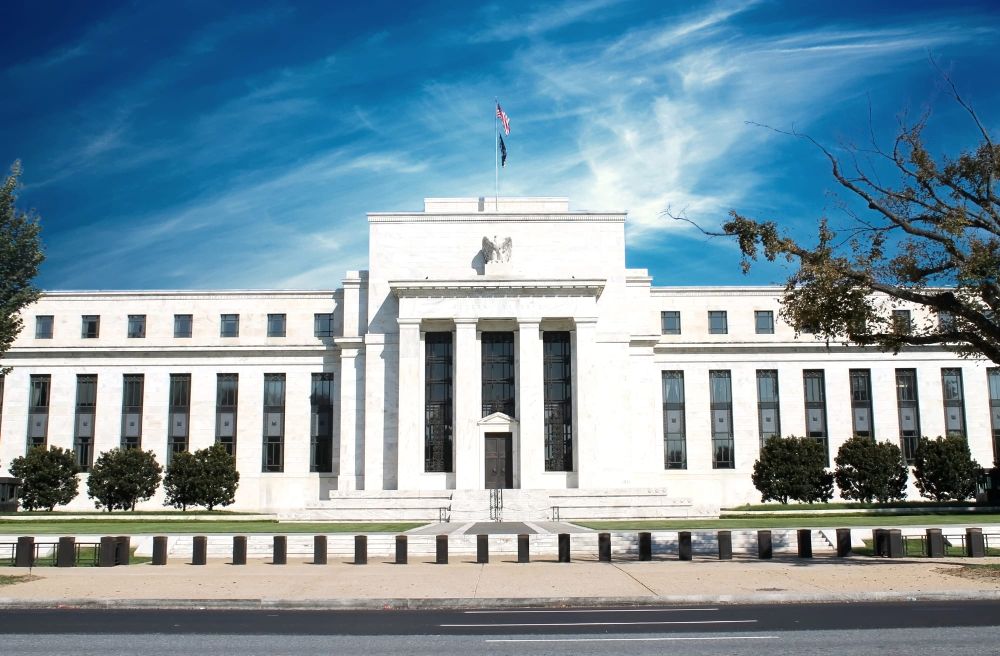
Most Federal Reserve policymakers judged that another increase in the federal funds rate would probably be appropriate before the end of 2026, minutes released on Wednesday showed. Officials nevertheless said future decisions would depend on incoming data and the balance of risks. The account covered the Federal Open Market Committee’s meeting on 15–16 September. At that meeting, the committee unanimously raised its target range by 25 basis points to 3.75%–4%.
Participants agreed that inflation remained elevated and that recent progress towards the 2% objective had been insufficient. The minutes attributed some price pressure to energy-market disruption, geopolitical developments and surging investment in artificial-intelligence infrastructure. Many officials viewed higher rates as prudent insurance against persistent inflation or further supply shocks. Several described the current policy setting as only mildly restrictive or not restrictive.
ANOTHER INCREASE REMAINS DATA-DEPENDENT
The record exposed differences over why policy needed to tighten even though every voting member supported September’s increase. Some participants framed the move as protection against temporary shocks becoming embedded in wider inflation. Others regarded higher rates as necessary under their central forecasts, reflecting resilient demand and solid economic activity.
The distinction matters for the timing of any further increase because officials did not commit to a sequence of moves. The next scheduled policy meeting is on 27–28 October, followed by another meeting in December. Inflation and labour-market data published before those meetings will determine whether the committee’s projected year-end increase remains appropriate.
TREASURY-MARKET PREPAREDNESS DREW ATTENTION
A few participants said Treasury markets were functioning smoothly but argued that the Federal Reserve should strengthen its strategy, communications and tools for possible market dysfunction. They also wanted any response to limit the central bank’s footprint in the Treasury market. Reuters reported that analysts saw standing repo operations and the discount window as likely first-line liquidity tools if disruption emerged.
The minutes recorded that Treasury yields had risen across the curve during the intermeeting period as markets absorbed tighter policy expectations, geopolitical risks and heavy private borrowing for artificial-intelligence investment. The immediate watch point is whether market functioning remains orderly as yields and issuance stay elevated. Any operational response would depend on evidence of impaired transmission or liquidity stress rather than rising yields alone.