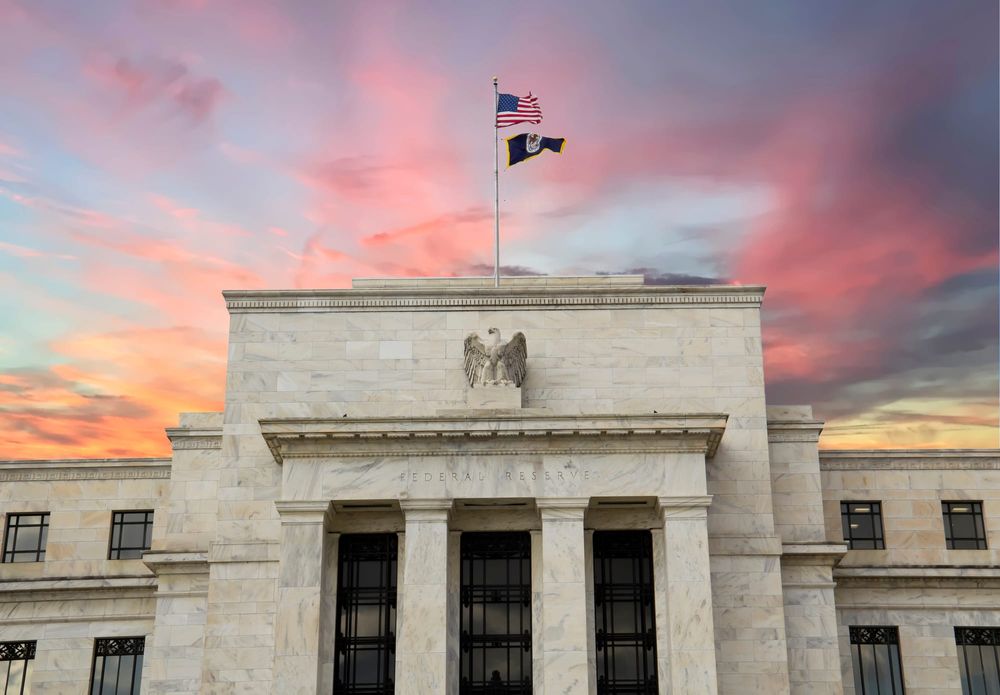
The Federal Reserve and fellow United States banking regulators published a substantially revised proposal on 27 June 2025 to overhaul capital standards for large American banks under the Basel III endgame framework, significantly moderating the burden compared with the original draft released in 2023. The re-proposal reduces the aggregate capital increase required of affected institutions to approximately 9%, down from the 19% implied by the earlier version of the rules, representing a meaningful concession to the sustained campaign by the financial industry against the original calibration.
The proposal, published through a press release on the Federal Reserve's website, marks the outcome of an extensive review process that followed a period of intense engagement between regulators and banks, trade associations, and other stakeholders. The original 2023 proposal had generated one of the most sustained and high-profile lobbying responses seen in post-crisis bank regulation, with major financial institutions arguing publicly that the draft rules would reduce their capacity to lend and make markets.
INDUSTRY PUSHBACK RESHAPES PROPOSAL
The decision to substantially revise the proposal reflects the degree to which the banking industry's objections gained traction with policymakers. Large banks had argued that the 2023 draft overstated the risks embedded in their trading books, operational risk exposures, and other complex balance sheet positions, resulting in capital requirements that they characterised as poorly calibrated relative to the actual risk profiles of their businesses. By reducing the implied aggregate capital increase from 19% to approximately 9%, regulators have acknowledged that a material recalibration was warranted, even as the framework still represents a tightening of standards relative to the requirements currently in effect.
The specific changes in the re-proposal are expected to affect the treatment of market risk, credit valuation adjustment, and operational risk, among other components of the capital framework. Banks had been particularly vocal about the original proposal's market-risk requirements under the Fundamental Review of the Trading Book, arguing that the initial calibration would make it uneconomical to provide liquidity in certain fixed-income and other markets. The revised approach attempts to address those concerns while preserving the framework's overall objective of producing more risk-sensitive capital requirements aligned with the international Basel III standards.
NEXT STEPS AND CONSULTATION PROCESS
The re-proposal will be subject to a further public comment period, during which banks, trade associations, law firms, and other interested parties will have the opportunity to respond to the revised calibration and raise any outstanding concerns. The outcome of that consultation will shape the final version of the rules that regulators ultimately adopt, and the industry will be watching closely for any areas where the re-proposal has not gone far enough in addressing earlier concerns. The timeline for finalisation remains subject to the regulatory process and is likely to depend in part on the volume and nature of the comments received.
The proposal forms part of a broader international effort to implement the final Basel III standards agreed by the Basel Committee on Banking Supervision, and the United States has faced scrutiny from foreign regulators and banks about the pace and direction of its domestic implementation. The re-proposal's adoption of a more moderate aggregate capital increase may help to reduce transatlantic friction on this issue, though full alignment with the approaches taken in Europe and the United Kingdom will depend on the details of what is ultimately finalised. Large banks will use the comment period to push for further adjustments before the rules are locked in.