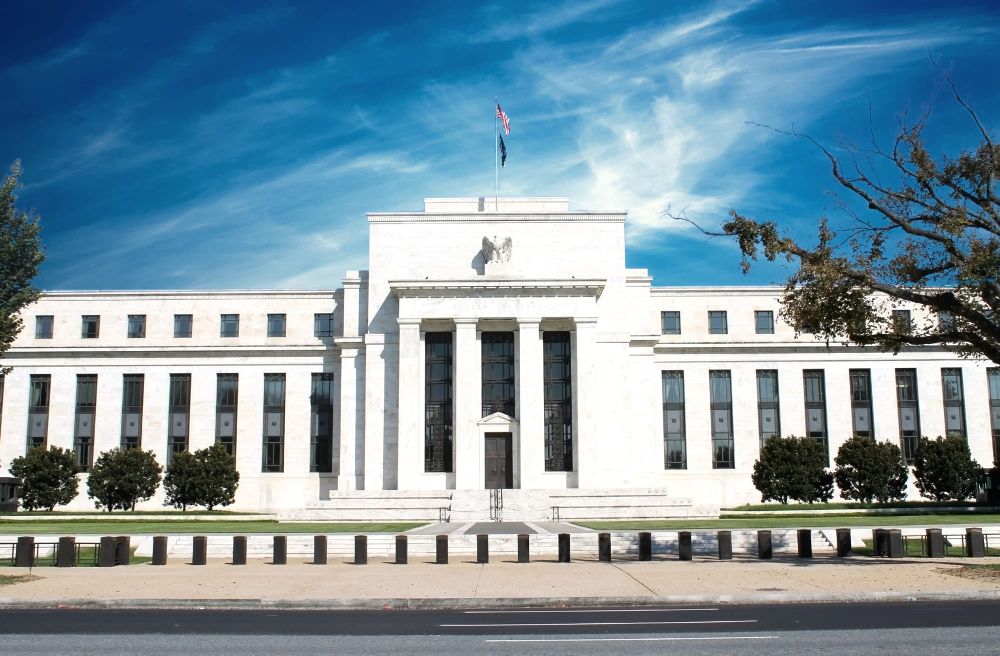
Federal Reserve governor Christopher Waller said additional interest-rate increases would probably be needed if economic data continued to develop as expected. He added that increases did not have to come at consecutive meetings, preserving flexibility over the pace of tightening. The remarks followed September's 25-basis-point increase, which lifted the federal funds target range to 3.75%–4.00%. They left the 27–28 October meeting open rather than committing the Federal Open Market Committee to another immediate move.
Waller said the labour market remained solid while core inflation was still too high and had shown insufficient progress towards 2%. His assessment reflected evidence accumulated over several months, including stronger activity and persistent inflationary pressure from energy, technology investment and trade disputes. Reuters reported that he anticipated further tightening while retaining discretion over its timing. Axios interpreted the speech as consistent with a limited, gradual tightening cycle rather than a rapid sequence of increases.
PROJECTIONS POINTED TO FURTHER TIGHTENING
Sixteen of the 18 participants who submitted September projections expected at least one more increase during the two remaining meetings of 2026. Four of those participants expected two further increases. Waller said those projections and officials' public remarks were serving as a signalling device without creating a fixed policy commitment.
Futures prices cited by Waller showed an 85% probability of at least one increase by the end of the December meeting and nearly a 20% probability of two. He used a cumulative 75-basis-point adjustment as an illustration of how policymakers might communicate direction while retaining flexibility. The example was not a firm forecast of his preferred path, and he stressed that incoming data would determine both pace and scale.
OCTOBER DECISION REMAINS DATA DEPENDENT
Waller's comments were more specific about direction than timing. They aligned with September meeting minutes showing that most participants expected another increase by year-end while approaching each meeting with an open mind. The distinction matters because the committee can pause in October without abandoning the prospect of tighter policy later.
The next decision will depend on inflation, employment and activity evidence available before 28 October. Officials will also assess whether financial conditions have tightened sufficiently through higher market yields. Waller's formulation makes another increase likely if the outlook remains intact, but does not determine which meeting would deliver it.