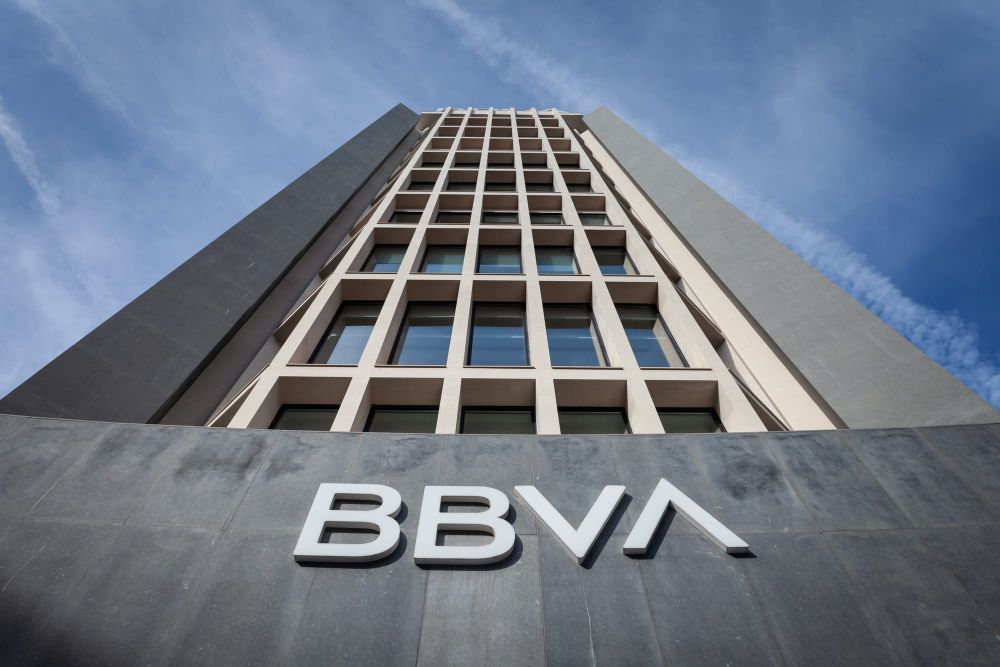
Turkey's Garanti BBVA has issued a USD 30 million sustainable bond focused on climate adaptation and resilience, in a transaction structured under the BBVA Sustainable Debt Financing Framework. The notes carry a tenor of 371 days, giving the issuance a short-dated profile calibrated to specific project financing needs and to a market segment that has attracted comparatively little dedicated bond capital to date.
According to the bank, proceeds will finance climate-resilient water infrastructure, flood prevention, resilient public infrastructure, emergency preparedness and early warning systems. The transaction is one of a relatively small number of publicly documented bond issuances by a bank that specifically targets climate adaptation, as opposed to the more common green bond focus on mitigation projects such as renewable energy and green buildings.
ADAPTATION-FOCUSED USE OF PROCEEDS
The distinction between climate mitigation and climate adaptation is significant in sustainable finance taxonomies. Mitigation activities such as renewable energy and green buildings have accounted for the overwhelming majority of green bond issuance globally, while adaptation projects, which help economies withstand climate impacts, have attracted comparatively little dedicated capital despite their growing importance in the face of more frequent extreme weather events.
By ring-fencing proceeds for climate-resilient water infrastructure, flood prevention, resilient public infrastructure, emergency preparedness and early warning systems, Garanti BBVA is directing investor capital towards categories that are increasingly relevant for Turkey. The country has been exposed to a range of climate-related shocks in recent years, including floods and droughts, that have highlighted the importance of resilient infrastructure investment for public safety and economic continuity.
Investors focused on climate risk have argued that adaptation projects should attract dedicated capital pools, on the basis that public and private-sector spending on adaptation will need to scale significantly to keep pace with physical climate risks.
BBVA FRAMEWORK ANCHORS TRANSACTION
The bond is being issued under the BBVA Sustainable Debt Financing Framework, the group-wide standard that governs sustainable debt issuance across BBVA's subsidiaries. Using the parent framework provides investors with a consistent set of definitions, eligibility criteria and reporting commitments across geographies, and simplifies analysis for institutional investors that hold sustainable exposures across multiple BBVA-affiliated issuers.
For Garanti BBVA, the transaction extends the Turkish lender's participation in the sustainable finance market and reflects the parent group's broader commitment to channelling capital towards climate-aligned projects. The bank has been one of the more active Turkish issuers of ESG-labelled paper, with previous deals targeting green agriculture and other sustainability themes.
The relatively modest USD 30 million size and 371-day tenor suggest the transaction may have been structured with a specific project pipeline in mind rather than as a benchmark public offering. Short-dated notes tied to defined use-of-proceeds categories can appeal to investors seeking to build up sustainable exposures without significant duration risk, while giving issuers a flexible instrument for financing near-term project needs.
The bank did not disclose the pricing or specific investor breakdown for the transaction. Further reporting on allocation and impact metrics is typically provided by issuers on an annual basis under the terms of the sustainable debt framework governing the issuance.