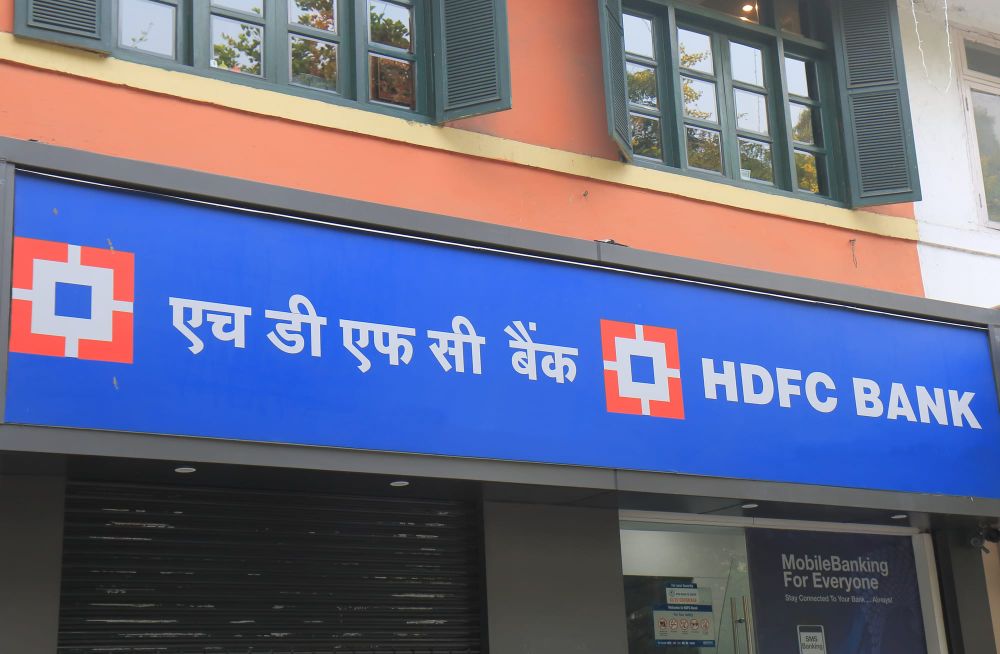
HDFC Bank chief executive Sashidhar Jagdishan has informed the board of India's largest private-sector lender that he will not seek reappointment for a third term and will retire at the close of business on 26 October 2026, the bank said in a stock exchange filing on 29 August 2026. His decision brings forward one of the most closely watched succession questions in Indian financial services and sets in motion a compressed handover at the top of the country's largest private bank.
The board reviewed and noted the communication and said it would fast-track the selection and appointment of a successor. The disclosure sets in motion one of the most consequential leadership transitions in Indian banking in recent years, with the country's largest private-sector franchise preparing to change hands at the top and the market watching closely for signals on the profile of the incoming chief executive.
LEADER OF THE HDFC MERGER STEPS DOWN
Jagdishan, who has led HDFC Bank as managing director and chief executive since 2020, is credited by the board with the successful completion of the merger between HDFC Ltd and HDFC Bank, a landmark transaction that combined India's largest housing finance company with the private-sector banking flagship it had founded decades earlier. The integration reshaped the country's private banking sector.
The merger, one of the largest in Indian corporate history, reshaped the balance sheet of HDFC Bank and cemented its position at the top of the country's private banking league table. Executing the integration while managing the funding, liquidity and regulatory implications of the combined entity has been a defining feature of Jagdishan's tenure, drawing scrutiny from investors and analysts alike.
In its filing, the bank said Jagdishan conveyed his decision not to seek reappointment on 29 August 2026, giving the board and its nomination and remuneration committee an eight-week runway before his 26 October retirement date. That timetable is unusually compressed for a transition at an institution of HDFC Bank's scale.
BOARD MOVES TO ACCELERATE SUCCESSION
The board said it would fast-track the process of identifying and appointing a successor. Under Indian banking regulations, the appointment of a chief executive at a scheduled commercial bank requires the prior approval of the Reserve Bank of India, adding a formal regulatory step to the timeline that the board will need to navigate before naming a permanent replacement.
HDFC Bank has typically drawn its senior leaders from within the group, and market attention will focus on internal candidates already holding executive committee roles. The board's use of the phrase 'fast-track' signals an intent to name a successor without the extended search process that sometimes accompanies transitions at large Indian financial institutions, though the RBI clearance requirement remains a hard constraint on the ultimate timetable.
Jagdishan's decision comes at a moment when HDFC Bank is still working through the balance sheet effects of the HDFC merger, including its loan-to-deposit ratio and cost of funds. The board's chosen successor will inherit the challenge of driving return on assets back towards pre-merger levels while sustaining the growth trajectory that has defined the franchise across successive leadership generations. The transition will be closely watched by investors, regulators and the wider Indian banking sector, given HDFC Bank's scale and its systemic importance to the country's financial architecture.