Anup Bagchi, the incoming managing director and CEO of HDFC Bank, said the lender has completed much of the work involved in integrating its merger with HDFC Ltd. Changes to its balance sheet and broader transformation efforts are still under way. He will take charge on 27 October, a day after the current chief, Sashidhar Jagdishan, completes his term.
Jagdishan did not seek reappointment. Bagchi, who is presently an additional director on the bank's board, attended the post-earnings call, where he spoke about the institution's strengths and said he is "lucky" to lead the bank.
LEADERSHIP HANDOVER TIMETABLE
Bagchi's appointment to lead India's largest private bank was announced earlier in October, ending days of speculation. The Reserve Bank of India has approved his appointment as CEO for a three-year term starting on 27 October.
Jagdishan, 61, will retire from HDFC Bank on 26 October after nearly three decades with the lender. The bank also announced that Deputy Managing Director Kaizad Bharucha has decided to leave, and he has sought to step down on 31 December 2026. Bharucha was among those considered for the top role alongside Bagchi.
Bagchi described Deputy Managing Director Kaizad Bharucha as one of the most differentiating factors of the HDFC Bank group. "I would say that Kaizad has been one of the most differentiating factors of the HDFC Bank group. HDFC Bank, in particular, has seen very strong credit quality across cycles and regimes," Bagchi said. He currently heads ICICI Prudential Life Insurance, where he has been MD and CEO since June 2023.
RETAIL DEPOSITS AND MARGIN PRESSURE
Jagdishan said Bagchi is an able leader with over three decades of experience in financial services. He added that his successor will come out with a strategy for the retail vertical, which has caused some concern since the merger. Its declining share of low-cost current and savings account (CASA) deposits is leading to net interest margin contraction.
Jagdishan, who announced his decision to retire amid concerns related to ethics and governance, explained the deposit mix. The bank had to substitute HDFC's market borrowings with deposits, which meant taking a lot of high-cost term deposits. A shift in household behaviour towards parking savings in capital market instruments also dented CASA deposits.
Asked why the bank mobilised only $11 billion in the FCNR(B) window against $18 billion by nearest rival ICICI Bank, Jagdishan pointed to its thin overseas presence. He said adding strength in foreign presence must be a strategic focus going ahead.
BALANCE SHEET AND QUARTERLY EARNINGS
The merger, completed in July 2023, expanded HDFC Bank's balance sheet. As of 30 September 2026, total balance sheet size stood at ₹45,778 billion, against ₹40,030 billion a year earlier.
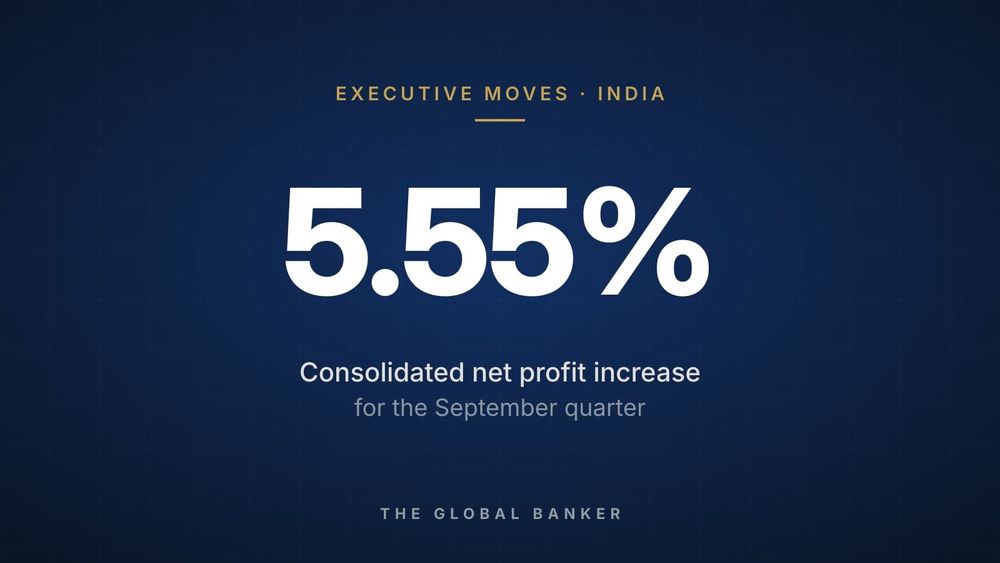
On Saturday the bank reported a 5.55% increase in consolidated net profit for the September quarter to Rs 20,700 crore, pointing out that the impact on treasury operations restricted profit growth. Separately, it reported a net profit of Rs 19,510 crore for the second quarter of FY27, a 4.6% year-on-year rise from Rs 18,641 crore in the same period last year.
Related: HDFC Bank deputy managing director Kaizad Bharucha seeks to leave on 31 December