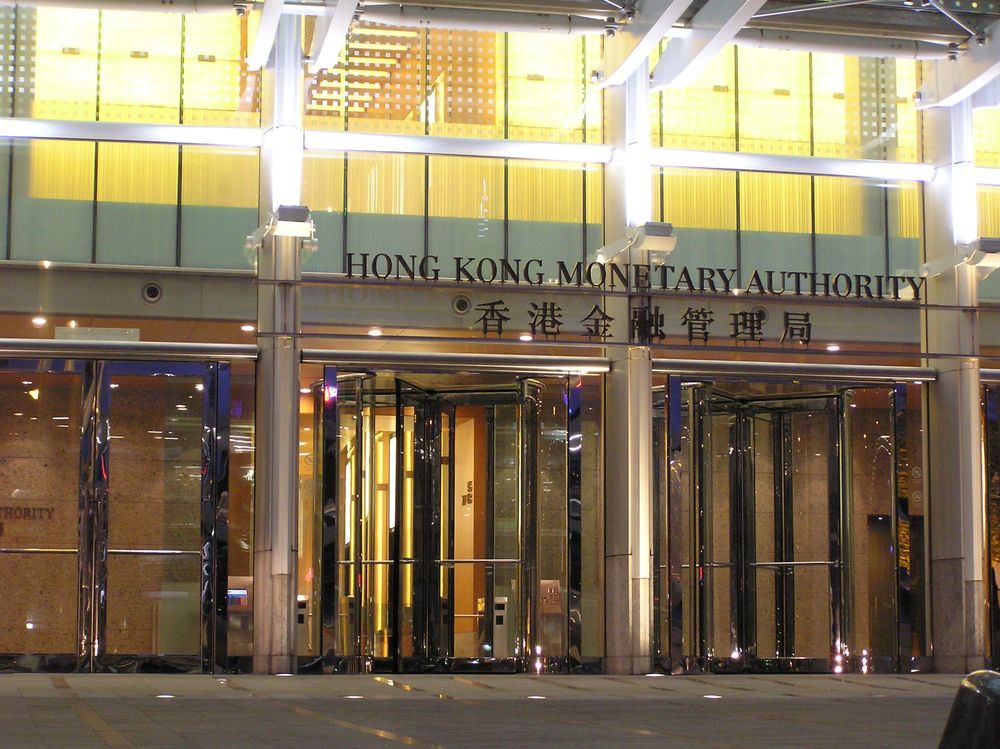
The Hong Kong Monetary Authority reduced its Base Rate by 25 basis points to 4.25% on 18 September 2025, executing an automatic adjustment that tracked the United States Federal Reserve's decision to cut its own policy rate by an identical margin the previous day. The move was made in accordance with the territory's longstanding Linked Exchange Rate System, which anchors the Hong Kong dollar to its US counterpart and requires the HKMA to mirror Federal Reserve rate movements without exception.
The adjustment brings the Base Rate to a level not seen since the earlier phases of the current monetary cycle, offering a degree of relief to variable-rate borrowers across Hong Kong. The HKMA confirmed the change in a statement published on its website, noting that the reduction took effect immediately and was consistent with the authority's obligations under the currency peg framework that has been in place since 1983.
MECHANICS OF THE LINKED EXCHANGE RATE SYSTEM
The Linked Exchange Rate System was established to provide Hong Kong with monetary stability by fixing the local currency within a trading band of HKD 7.75 to HKD 7.85 per US dollar. Under this arrangement, the HKMA does not formulate independent monetary policy; instead, its Base Rate formula is mechanically tied to the Federal Reserve's target range. When Washington moves, Hong Kong follows, typically on the same day or the next business day, without discretionary adjustment.
This automatic transmission means the territory's borrowing costs are shaped primarily by economic conditions in the United States rather than by domestic factors such as local inflation, unemployment, or GDP growth. The Federal Reserve's September reduction is widely regarded as part of a new easing cycle, and if the Fed continues to lower rates at subsequent meetings, the HKMA's Base Rate will decline in parallel.
The HKMA has consistently defended the peg as the cornerstone of Hong Kong's monetary and financial stability, emphasising that it has withstood multiple economic cycles, regional currency crises and periods of elevated global volatility without material strain. The authority has shown no indication that it intends to revisit or reform the arrangement, regarding its automatic nature as a source of credibility rather than a constraint.
IMPLICATIONS FOR HONG KONG BORROWERS AND MARKETS
Commercial banks in Hong Kong are not automatically obliged to pass the Base Rate reduction through to their prime lending rates, and historical precedent suggests some lag between HKMA adjustments and changes at the retail level. Nevertheless, the direction of travel will, in time, benefit holders of variable-rate mortgages and small business credit facilities, for whom the rate environment has been significantly more demanding since the Federal Reserve's aggressive hiking cycle that began in 2022.
The property market, a critical barometer of broader economic confidence in Hong Kong, had already registered some stabilisation following earlier signals from the Fed that its tightening cycle was nearing an end. With the Base Rate now at 4.25%, attention will turn to further Fed communications and any additional monetary easing that might follow before the close of the year, each of which would translate directly into another step down for Hong Kong's benchmark borrowing rate.