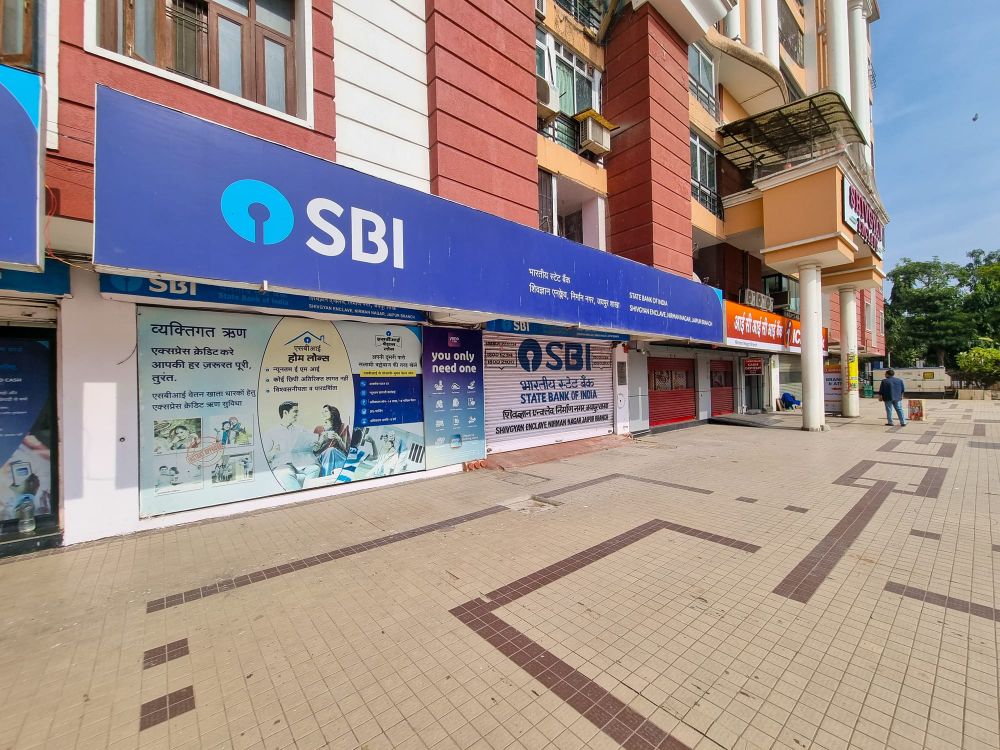
The Indian government appointed Challa Sreenivasulu Setty, widely known as CS Setty, as the new Chairman of State Bank of India with effect from 28 August 2024, the country's largest lender confirmed on Wednesday. Setty steps into the role succeeding Dinesh Khara, who completed his term at the helm of the institution, and will serve a three-year term in one of the most prominent banking positions in the Asia Pacific region.
The appointment was confirmed through official government channels, reflecting the structured and well-established process by which India selects the leadership of its state-owned financial institutions. SBI, as the country's flagship public sector bank, holds a unique importance in the domestic economy, channelling credit to households, businesses, and government-backed programmes across the breadth of the country.
SETTY TAKES CHARGE OF INDIA'S LARGEST BANK
State Bank of India is India's largest bank and ranks among the largest banks in Asia by total assets, giving the chairmanship a significance that extends well beyond the domestic market. The institution serves hundreds of millions of customers across its domestic retail network and maintains an international presence spanning several major financial centres, providing corporate banking and trade finance services to Indian companies with global operations.
CS Setty's appointment comes at a time when India's banking sector is broadly in better health than it has been for much of the past decade, with public sector banks having worked through a prolonged period of high non-performing assets that weighed heavily on profitability and capital adequacy. Under successive chairmen, SBI has made significant strides in reducing its bad loan burden and improving operational efficiency.
The three-year tenure granted to Setty aligns with the standard term structure for SBI's chairmanship, providing enough continuity for longer-term strategic initiatives while remaining within the government's established framework for managing the bank's senior leadership. His predecessor Dinesh Khara had overseen a period of renewed strength in the bank's financials, and observers will be watching closely to see how Setty builds on that trajectory.
LEADERSHIP TRANSITION AT A STRATEGICALLY IMPORTANT MOMENT
India's banking sector is navigating a period of significant opportunity, with strong domestic credit demand driven by consumer spending, infrastructure investment, and the growth of small and medium-sized enterprises. SBI, as the dominant player in the public sector banking space, is expected to play a central role in channelling that demand and supporting the government's broader economic ambitions.
The transition also comes as Indian banks face evolving regulatory expectations from the Reserve Bank of India, particularly around digital infrastructure, risk management frameworks, and capital planning. SBI's sheer scale means that how it responds to those requirements tends to set a benchmark for the wider public sector banking industry, making the chairman's leadership choices consequential well beyond the institution's own balance sheet.
Setty, who was elevated to the chairmanship from within the institution's senior ranks, brings direct familiarity with SBI's operations and culture — factors that are widely seen as essential for managing an organisation of its complexity and geographic reach. The bank did not elaborate further on his immediate strategic priorities at the time of the announcement.