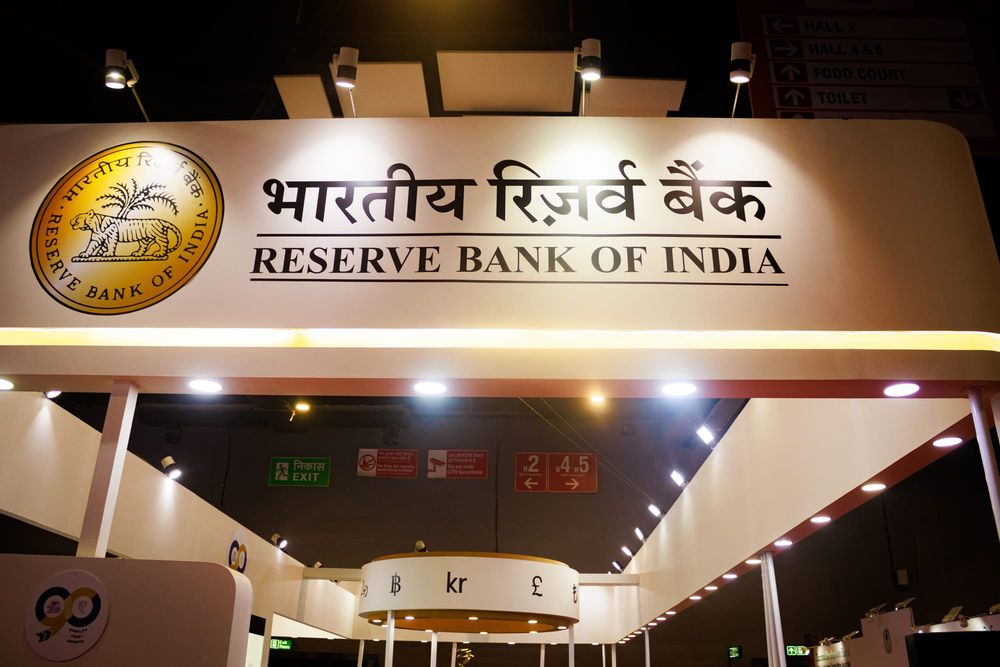
The Reserve Bank of India simplified approval requirements for eligible institutional investors acquiring major shareholdings in banks. Mutual funds, insurance companies and pension funds may now seek one-time approval for aggregate holdings of up to 10% in the same banking company. The final amendment directions took immediate effect on 1 October. They cover commercial banks, small finance banks, payments banks and local area banks.
The RBI finalised proposals issued for consultation in July after reviewing feedback from regulated entities and other stakeholders. Under the earlier regime, a holding of 5% or more was treated as a major shareholding requiring prior clearance. An investor whose stake later fell below 5% could need fresh approval before crossing that threshold again. The new framework removes that repeated-approval cycle for qualifying institutions.
ONE APPROVAL COVERS AGGREGATE HOLDINGS
The 10% ceiling is calculated on an aggregate basis, including related holdings that fall within the qualifying person’s group. A banking company may also apply on behalf of a qualifying investor belonging to its promoter group or group. The RBI can revoke an approval for non-compliance or if the investor or an associated person is no longer considered fit and proper.
After the initial acquisition, an approved shareholder must report any movement of its aggregate holding below or above 5%. The report must reach both the RBI and the banking company within three working days. That obligation preserves regulatory visibility even though repeat applications are no longer required.
BANK OWNERSHIP RULES BECOME MORE PREDICTABLE
The change gives large domestic institutions a clearer route to adjust listed-bank exposures without seeking clearance at each threshold recrossing. It does not provide an automatic right to own 10%, because eligibility, fit-and-proper standards and approval conditions continue to apply. Banks must also continue monitoring their shareholder registers and reporting material ownership changes.
The immediate test will be how mutual funds, insurers and pension funds use the one-time process in future bank transactions and portfolio adjustments. The RBI’s implementation and any approval conditions will show whether the reform materially changes institutional participation in Indian bank shares. Market participants will also watch for the first applications under the amended directions.