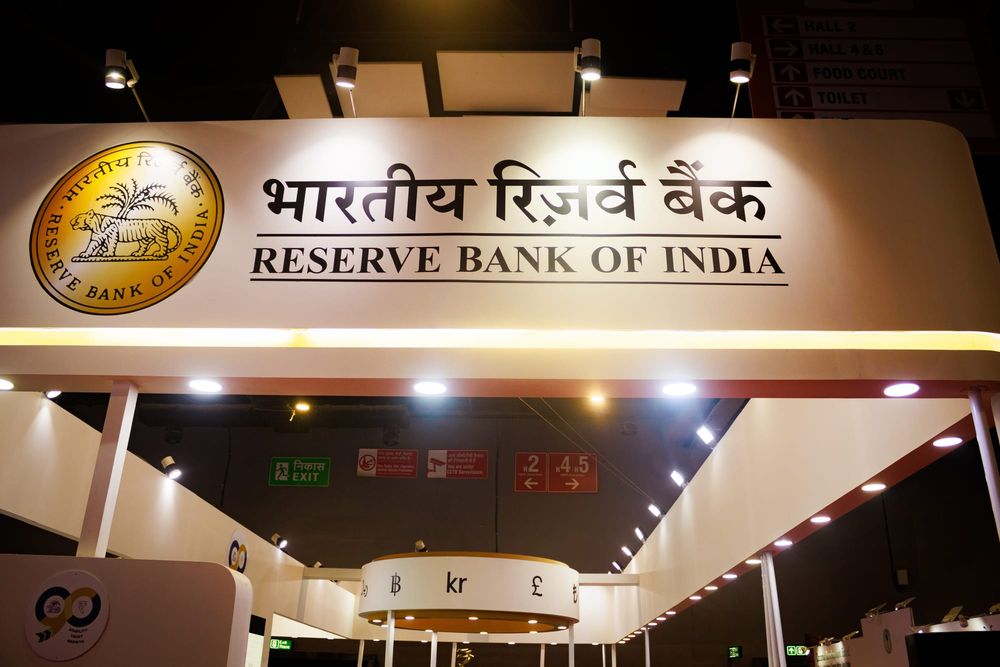
The Reserve Bank of India opened a special dollar window for three state-owned oil companies and separately tightened rules for rupee foreign-exchange derivatives on 10 October. Indian Oil Corporation, Hindustan Petroleum Corporation and Bharat Petroleum Corporation must route their entire daily dollar requirement through designated banks. The window took effect on 12 October and will remain available until further notice.
The measures followed pressure on the rupee from elevated oil-import demand and volatile global markets. Reuters reported that the currency rose nearly 1% to 95.74 per dollar on Monday after the window redirected oil-company demand away from the open market. India's foreign-exchange reserves stood at about US$734 billion, down from a September peak of US$785 billion, according to the report.
DERIVATIVES CURBS RAISED HEDGING COSTS
The RBI barred banks from rebooking cancelled rupee-derivative positions. It also reduced the amount that clients can book without evidence of an underlying exposure to US$5 million from US$100 million and required an additional undertaking from clients using that concession.
A 20% cash-margin requirement applies to rupee derivative contracts above US$2 million when they hedge current-account exposures. Four sources told Reuters that banks, through a foreign-exchange industry body, asked the RBI to replace that deposit with a flat fee, remove the US$2 million threshold and clarify whether interest-payment hedges are covered. The RBI had not responded to the requests.
OIL DEMAND MOVED OUTSIDE THE MARKET
Routing the three refiners' dollar demand through designated banks gives the RBI a direct channel for managing a large source of foreign-currency purchases. The parallel derivatives restrictions seek to curb position rebuilding and require more evidence or collateral for larger trades.
The next test is whether the rupee's initial gain persists once oil buyers and corporate hedgers adjust. The central bank has not set an end date for the oil-company window, so banks will watch for further RBI instructions and changes in onshore dollar demand.