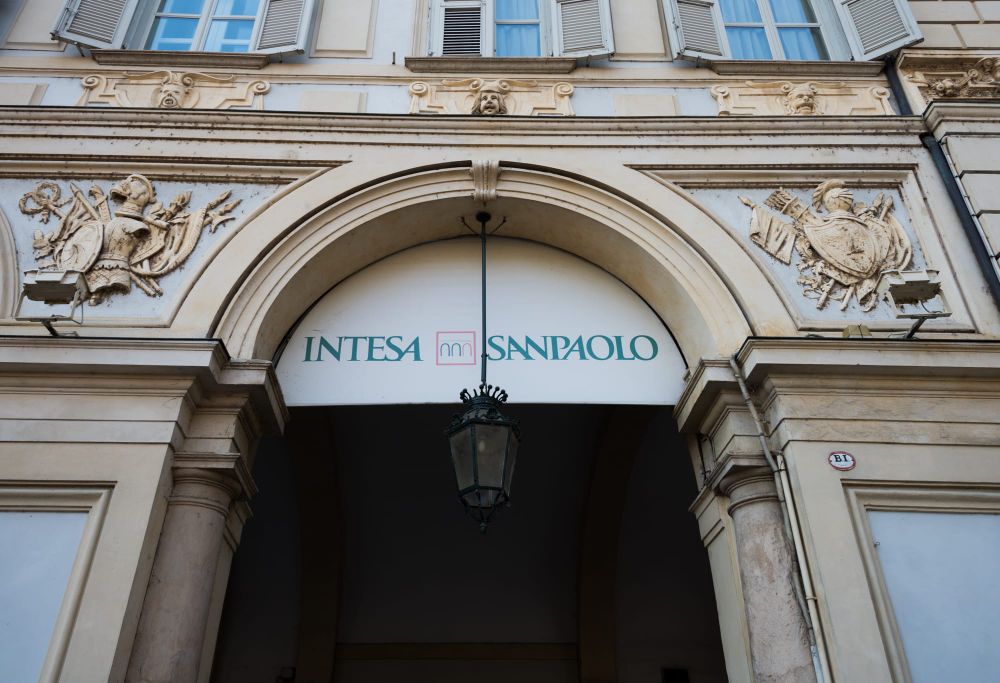
Intesa Sanpaolo launched an unsolicited offer on Monday to acquire Monte dei Paschi di Siena, proposing a transaction that followed a separate merger proposal from Banco BPM a day earlier.
THE OFFERS
Intesa Sanpaolo submitted a bid valued at $35.3 billion, according to press reporting, in a move that the coverage described as unsolicited. The bid targeted Monte dei Paschi di Siena, which the reporting identified as the world’s oldest bank. The approach arrived one day after Banco BPM had proposed a merger of equals involving Monte dei Paschi.
The competing approaches set up a contest between two established Italian banks over a target that has drawn international attention because of its history and size. The reporting framed the Banco BPM proposal as a more collaborative structure, using the phrase merger of equals, while Intesa Sanpaolo’s filing was described as a direct takeover offer.
Coverage noted that the timing created an immediate strategic choice for Monte dei Paschi’s board and shareholders, who had to weigh the unsolicited takeover bid against the merger proposal. The offers were portrayed as distinct in structure and intent, though both aimed to consolidate Monte dei Paschi into larger Italian banking groups.
MARKET AND REGULATORY IMPLICATIONS
The rival bids underscored ongoing consolidation pressures within Italy’s banking sector. Market participants historically viewed bank mergers as a mechanism to strengthen balance sheets, expand customer bases, and achieve cost efficiencies in a low-margin environment. The competing approaches for Monte dei Paschi reinforced expectations that large domestic banks would continue to pursue deals that reshape the national banking landscape.
Authorities and shareholders were poised to play central roles in the coming days, according to the reporting. Regulatory review typically accompanied transactions of this scale, and the competing proposals were expected to draw scrutiny on competition, financial stability, and the treatment of existing creditors and shareholders. Observers pointed to the complexity of evaluating an unsolicited bid against a negotiated merger proposal, with considerations that included price, governance arrangements, and market impact.
Analysts and investors who followed the story anticipated detailed examination of the financial terms and of any commitments attached to the offers. The reporting indicated that stakeholders would assess not only headline valuations but also the corporate governance implications of each proposal, including the likely integration path and prospects for operational consolidation.
For Monte dei Paschi, the approaches renewed attention on its strategic direction. The bank’s status as one of Italy’s longstanding institutions lent symbolic weight to the bids, and the competing proposals highlighted divergent visions for its future. Shareholders and the board were expected to navigate a choice between an unsolicited acquisition and a negotiated equal merger structure, each with different implications for control, management, and medium term strategy.
For the bidders, the transactions represented both opportunity and risk. A successful deal would expand scale and market share, while a failed approach could entail reputational and financial costs. The contest also carried implications for broader sector dynamics, as deals of this nature often prompted responses from other domestic and European market players and influenced investor sentiment toward banks operating in similar markets.
In the short term, market observers tracked shareholder communications, board deliberations, and any formal responses from Monte dei Paschi to the competing offers. The reporting suggested that the situation would unfold as stakeholders weighed the relative merits of an unsolicited bid and a merger of equals proposal, and as regulatory authorities considered the potential effects on competition and financial stability.
Sources: Banking Dive