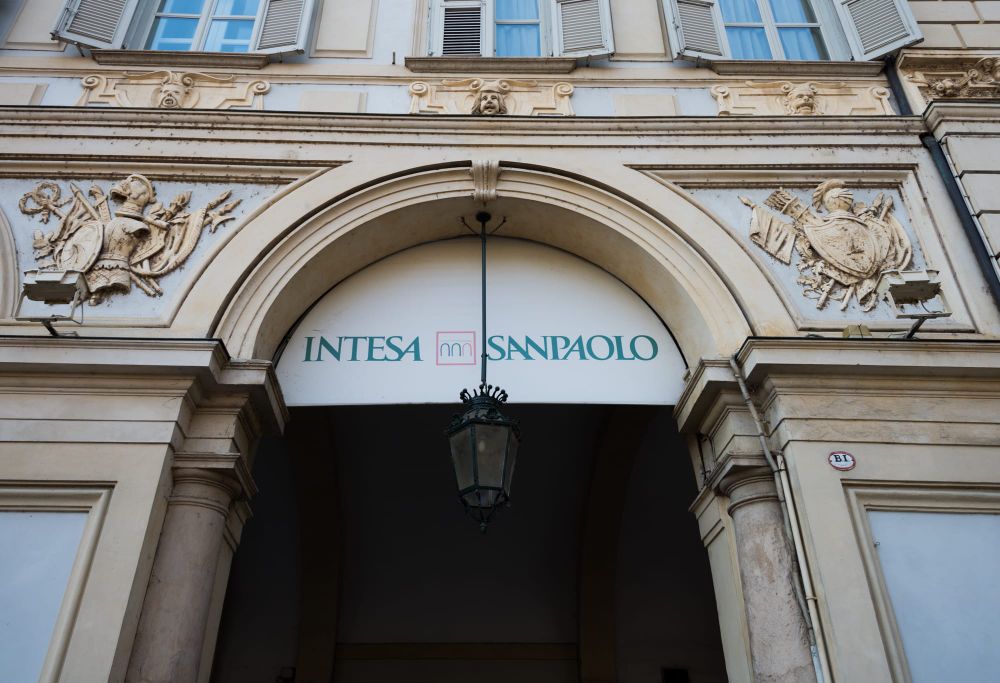
Intesa Sanpaolo launched an unsolicited $35.3 billion bid on Monday to acquire Monte dei Paschi di Siena, the world’s oldest bank, after Banco BPM had proposed a merger of equals a day earlier.
BIDS AND COUNTERPROPOSALS
The competing approaches from two of Italy’s major lenders crystallised a sudden takeover contest for Monte dei Paschi, transforming what had been a single strategic proposal into a short, high-stakes battle between rival bidders. Intesa Sanpaolo put forward a cash bid described in public reporting as unsolicited, while Banco BPM had moved first with a plan framed as a merger of equals the previous day.
Both moves altered the negotiation landscape for the target, which has drawn interest for its historical position in the Italian banking system. The timing of the rival offers compressed decision windows for the Monte dei Paschi board and shareholders, and created immediate questions about the path to any transaction conclusion.
MARKET AND REGULATORY IMPLICATIONS
Analysts and market participants noted that the competing proposals carried different strategic and structural implications. A cash bid from a larger lender typically offered an immediate valuation metric for shareholders, while a merger of equals emphasised a combined entity’s potential scale and synergies. In this instance, the public reporting left assessments of relative value and terms to market interpretation.
Any deal would have required scrutiny from regulatory authorities in Italy and at the European level, given the size and systemic role of the parties involved. Regulatory review processes commonly focused on competition concerns, financial stability considerations, and the operational integration plans that bidding banks presented. The competing approaches therefore implied differing regulatory pathways and potential timelines for approval.
Investors were expected to weigh the immediacy of a cash offer against the strategic narrative of a merger of equals. Shareholder votes and governance approvals represented additional hurdles regardless of the bid format, and those processes typically influenced deal certainty and the probability of closing.
Market reaction to takeover activity in the banking sector often affected the share prices of the bidder and target, along with peers, as investors updated expectations about consolidation, cost savings, and risk profiles. In the short term, equity markets tended to price in the likelihood of a deal, premium levels, and potential rival bids.
Operational integration challenges formed another category of consideration. Consolidating large retail and corporate banking operations entailed migration of technology platforms, customer account transfers, and alignment of risk and compliance frameworks. Those practicalities factored into bidder valuations and the proposed timelines that dealmakers presented.
Strategic rationales for consolidation in national banking markets generally included the pursuit of scale, diversification of revenue streams, and reduction of unit costs. In Italy, as in other markets, consolidation narratives have periodically re-emerged as banks sought to improve returns on equity and bolster resilience to economic cycles.
The competing moves by Intesa Sanpaolo and Banco BPM also posed governance questions for Monte dei Paschi. Boards and independent directors typically evaluated competing proposals through processes designed to ensure fiduciary duty to shareholders, considering relative offer value, execution risk, and the likelihood of regulatory clearance. In situations with multiple approaches, companies sometimes solicited additional offers or sought clarifying commitments from bidders.
At the sector level, takeover contests involving prominent institutions drew attention from policymakers, investors, and counterparties because of the potential implications for credit intermediation and local market structures. Observers noted that outcomes from such contests shaped expectations for future consolidation activity in the region.
Sources: Banking Dive