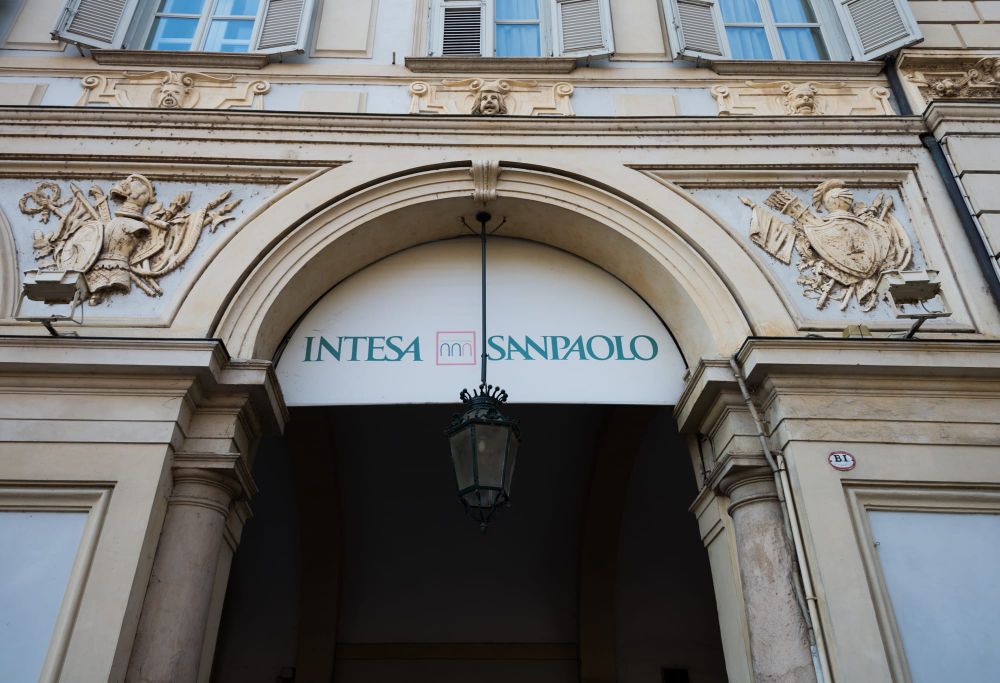
Intesa Sanpaolo launched an unsolicited offer on Monday to acquire Monte dei Paschi di Siena, putting a $35.3 billion price tag on a deal that followed a merger proposal from Banco BPM the previous day.
THE BIDS AND TIMELINE
Intesa Sanpaolo, one of Italy's largest banks, submitted the bid as a direct acquisition proposal for Monte dei Paschi, described in reporting as the world's oldest bank. The move came after Banco BPM put forward a merger of equals proposal a day earlier, setting up a contest between two domestic banking groups for control of a storied Italian institution.
The Intesa offer was presented as unsolicited, reflecting a strategic decision to pursue a full acquisition rather than a merger framework. Banco BPM's prior approach, framed as a merger of equals, sought to combine operations on a more balanced basis. The close timing of the two approaches thrust Monte Paschi into the center of a rapid deal dynamic, with shareholders, market participants and regulators left to evaluate competing corporate rationales and the likely path to completion.
MARKET CONTEXT AND IMPLICATIONS
The competing proposals heightened attention on consolidation in the Italian banking sector and on how a major transaction would be assessed by regulators and investors. The offers underscored ongoing strategic pressure on smaller and mid-sized banks to bolster scale, reduce costs and shore up balance sheets in an environment of slow loan growth and strong regulatory scrutiny.
Regulatory approval and shareholder support were expected to be pivotal in deciding the outcome. Supervisory authorities in Italy and at the European level typically examined transactions of this size for risks to financial stability, competitive effects and the soundness of the combined entity's capital and governance arrangements. Shareholders of Monte Paschi faced a decision between a straight acquisition offer and a merger that would have created a different ownership and management structure.
Market analysts and investors watched for immediate reactions in Italian bank stocks and in broader credit and funding markets. A deal involving Monte Paschi carried political sensitivity in Italy given the bank's historical ties to local and national institutions. Observers noted that any transaction would need to address concerns about integration, asset quality and the treatment of legacy issues that had previously weighed on Monte Paschi's performance.
For Intesa Sanpaolo and Banco BPM, the contest represented different strategic choices. An outright acquisition by Intesa signaled a willingness to absorb Monte Paschi into a larger franchise, while Banco BPM's merger of equals path suggested a preference for a more reciprocal combination of two banks of closer scale. Each route carried distinct implications for branch networks, corporate clients and cost rationalization plans.
Analysts also focused on the mechanics of closing a deal of this type, including the need to conduct due diligence, set definitive terms acceptable to shareholders and secure any required capital measures. The acute timing, with two competing proposals arriving within 48 hours, added pressure on Monte Paschi's board to solicit further offers or to enter into definitive negotiations with one suitor.
Beyond the immediate transaction, the episode fed into a broader narrative about consolidation across European banking systems, where market participants have repeatedly signaled that scale advantages are increasingly important for profitability and resilience. A successful acquisition or merger involving Monte Paschi would mark a significant consolidation step in Italy, with potential ripple effects for peers and for cross-border strategic planning by larger European groups.
Sources: Banking Dive