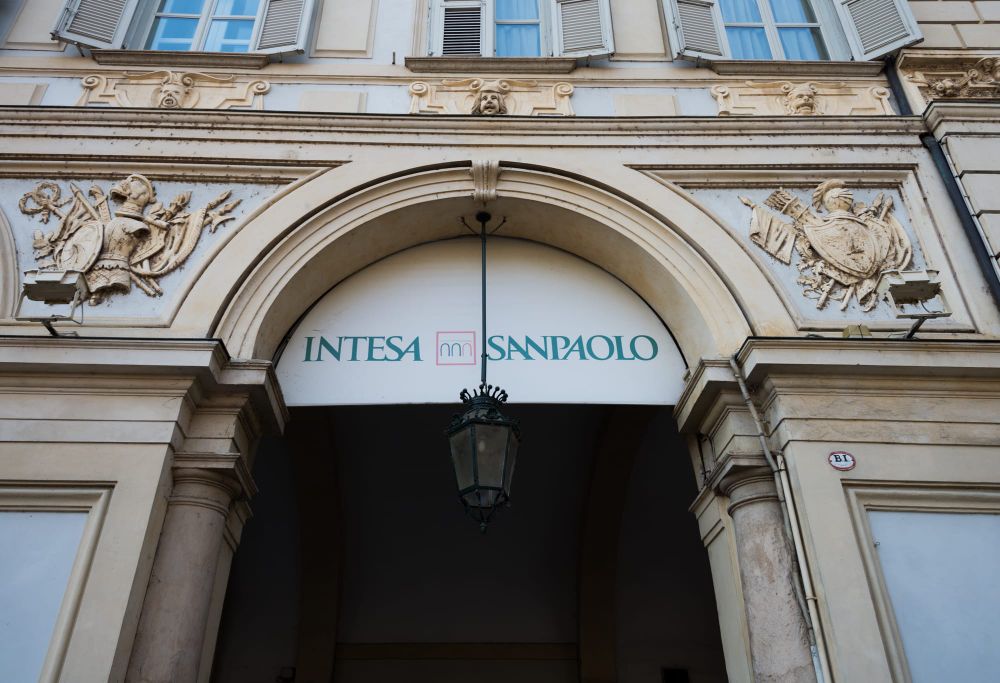
Intesa Sanpaolo submitted a €30.6bn takeover proposal for Monte dei Paschi di Siena, the Financial Times reported, and said the transaction would produce significant cost savings while upending a rival offer for the troubled lender.
The move by Italy's largest bank marked a high-stakes development in a contested bidding process for Monte dei Paschi, a target that has attracted attention because of its size and the symbolic importance it holds for the Italian banking system. According to the FT, Intesa presented the offer as a strategic opportunity to reduce costs through integration and to strengthen its position in the domestic market.
DEAL DETAILS AND IMMEDIATE CONTEXT
Intesa framed the proposal around anticipated efficiency gains, saying the merger would enable substantial cost savings compared with Monte dei Paschi's standalone outlook, the FT reported. The bank set out the headline value of the proposal at €30.6bn, positioning the bid as a decisive entry into a contest that had already drawn interest from other financial institutions.
Market participants and analysts were expected to scrutinise the terms closely, focusing on the realism of the claimed savings and the feasibility of integrating Monte dei Paschi's operations into Intesa's network. The FT account suggested that the transaction could accelerate consolidation among Italian lenders by reshaping competitive dynamics and prompting further strategic responses from regional banks.
REGULATORY, MARKET AND STRATEGIC IMPLICATIONS
The proposed acquisition raised a series of regulatory and market questions. A deal of this scale would draw attention from national and European supervisors on both competition and financial stability grounds. Regulators typically examine whether a merger could harm competition, create systemic risk, or require state involvement to address balance sheet weaknesses.
Bank executives and advisers would also need to assess integration risks, including the challenge of merging IT platforms, rationalising branch networks, and realising cost synergies without disrupting customer service or capital positions. Intesa's public emphasis on cost savings suggested an integration plan would form a key part of its pitch to shareholders and regulators.
For investors and bondholders, the announcement represented a pivotal development. The strategic rationale for the bid rested on combining scale with improved efficiency, a premise that could influence credit assessments and valuations for both banks. Market reaction, integration scrutiny and any requirement for remedial measures could all affect the speed and success of a potential deal.
The FT report indicated the bid had disrupted a rival offer, signalling that the sale process for Monte dei Paschi had become more competitive. That dynamic typically increases pressure on bidders to refine offers and to demonstrate clear paths to value creation. How other interested parties responded was likely to determine whether negotiations moved quickly to a definitive agreement or evolved into a protracted contest.
Italy's banking sector has faced periodic consolidation pressures as banks seek scale and cost efficiency amid a low interest rate environment and rising regulatory demands. A high-profile bid by a market leader like Intesa could accelerate that trend by setting a benchmark for transaction pricing and integration assumptions.
Observers were expected to watch closely how authorities treated the proposal, including any conditions that regulators might impose to protect competition and financial stability. The timeline for approvals and the willingness of shareholders to support a large transaction would ultimately determine the outcome.
While the FT provided the headline value and Intesa's public position on cost savings, detailed terms, governance arrangements and the full list of strategic commitments were not reported in the initial account and would be central to subsequent investor and regulator assessments.
Sources: FT Financials