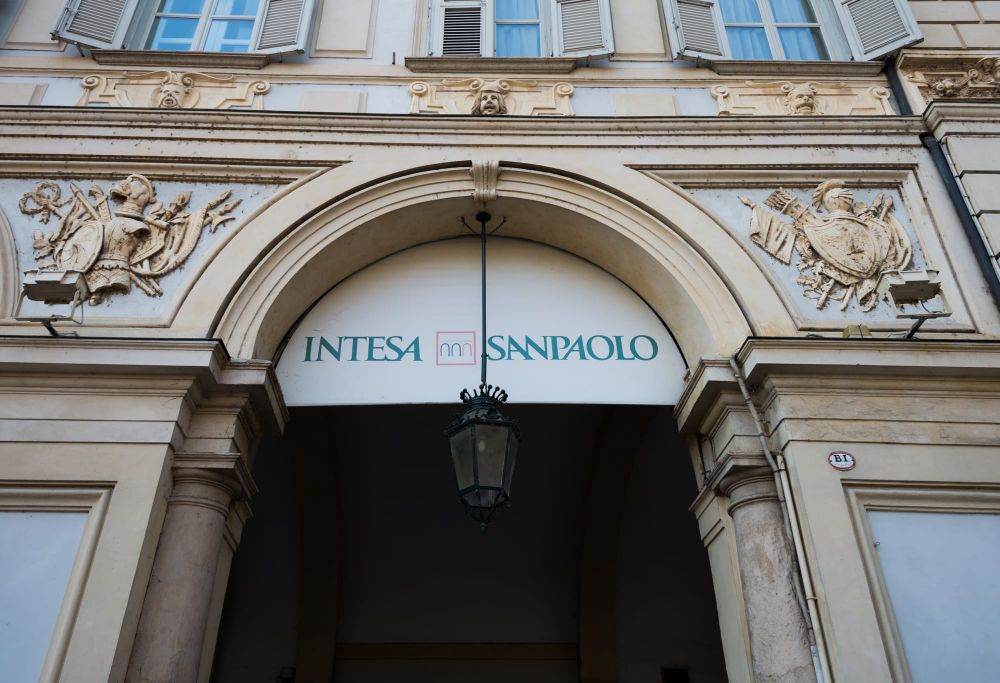
Intesa Sanpaolo's bid for MPS restored some order to Italy's unsettled bank takeover landscape, and the move was described by the Financial Times as appealing to Prime Minister Giorgia Meloni.
POLITICAL AND POLICY CONTEXT
The FT reported that an Intesa victory was likely to be welcomed in Rome, reflecting a political preference for a domestic solution to the long running questions around MPS. The paper framed the transaction as a corrective to months of speculation and market uncertainty, suggesting the outcome aligned with the priorities of Italy's government.
The story underlined how bank consolidation in Italy had become a political as well as a commercial issue. According to the FT, the resolution of the MPS situation through a bid by a major domestic bank avoided a more disruptive outcome and reduced the potential for protracted controversy over cross border or non domestic bids.
Intesa was positioned by the FT as a stabilising presence in the deal, providing a domestic anchor for a resolution that had attracted sustained public and media attention. The paper suggested that the clarity produced by the bid eased a policy dilemma for national authorities who had faced competing pressures from market participants and voters.
MARKET AND REGULATORY IMPLICATIONS
The FT said market participants read the bid as a signal that consolidation in Italy's banking sector could proceed on terms acceptable to domestic policymakers. That interpretation carried implications for investor sentiment, funding costs and the broader strategic calculus for other Italian banks considering mergers or acquisitions.
The paper noted that the presence of a clear lead bidder from within Italy reduced uncertainty over the fate of the targeted bank and its assets. That reduction in uncertainty, the FT suggested, was likely to temper short term market volatility and to provide a firmer basis for credit and risk assessments related to Italy's banking sector.
Regulatory scrutiny and the need for approvals remained part of the landscape, the FT observed. The bid had to be assessed on standard regulatory criteria, and the manner in which authorities handled those assessments would shape perceptions of Italy's openness to domestic consolidation. The FT commented that the outcome of the process would be watched closely by other banks and by investors who monitor regulatory signals for future deals.
The Financial Times framed the transaction as restoring a measure of practical politics to a debate that at times had become mired in ideology. By presenting a workable domestic solution, the FT argued, the bid helped to reorient the discussion toward implementation and away from prolonged uncertainty.
Analysts and market commentators cited in the FT treated the development as meaningful for the immediate market environment. The paper reported that the clarity created by the bid reduced one of the key risk factors investors had been pricing into Italian financial assets, and that it allowed market attention to shift back to balance sheet management and strategy execution for banks in the country.
For policymakers, the FT suggested the deal removed an acute short term dilemma while leaving longer term questions about consolidation and competition in the banking sector unresolved. The story implied that future rounds of consolidation would proceed against a backdrop shaped by the political and regulatory choices made in the wake of the bid.
The Financial Times coverage treated the result as an intersection of politics and markets, where a major domestic bank's bid both addressed an immediate commercial problem and dovetailed with governmental preferences. That dual significance was central to the paper's assessment of why the bid mattered beyond the immediate terms of the deal.
Sources: FT Financials