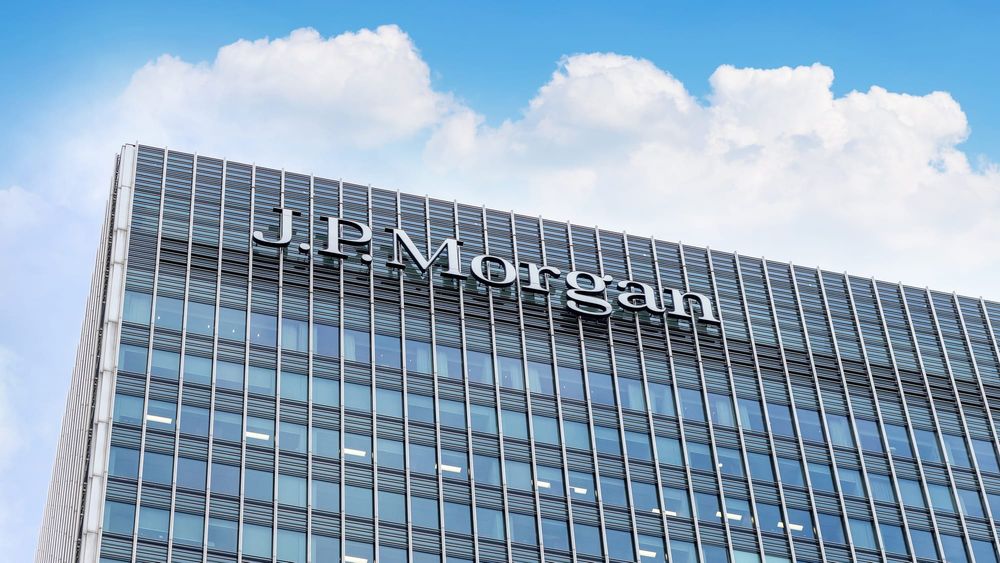
A campaign report said US and Japanese banks increased their financing of fossil fuel projects, with JPMorgan identified as dominant and registering a 12 percent increase in deals while European banks reduced market share.
REPORT FINDINGS
The report, published by a campaign group and covered by FT Financials, said banks headquartered in the United States and Japan boosted the volume of deals linked to fossil fuel activity. The analysis flagged JPMorgan as the single most significant mover, with a cited 12 percent rise in deals for the period the campaign assessed. At the same time, the report described a decline in the relative market share held by European banks in the same segment.
The campaign report framed the shifts as a notable redistribution of financing flows within global banking markets. It did not provide exhaustive transaction-level disclosure for every institution, but it set out aggregated trends that pointed to growing participation by US and Japanese lenders in fossil fuel finance, against the backdrop of weaker European engagement in those specific deals.
MARKET IMPLICATIONS
The findings have immediate relevance for bank balance sheets, investor stewardship and regulatory attention. Increased lending or underwriting activity related to fossil fuels can carry operational and reputational implications for banks, particularly as many institutional investors and corporate clients emphasise transition plans and decarbonisation targets.
The report’s emphasis on the relative rise in activity by US and Japanese banks suggested a reallocation of where fossil fuel-related capital originates. For market participants, that shift could affect pricing, syndication dynamics and the competitive landscape for energy projects. Banks that increased their share of deals may face closer scrutiny from civil society groups and stakeholders focused on climate risk management.
European banks’ reduced market share in the report did not necessarily imply an absolute withdrawal from energy finance. The campaign framed the change as a comparative reduction in market presence, which may reflect strategic shifts, governance choices by European institutions, or differing client mixes. For regulators and policy makers the dynamics could inform assessments of systemic exposure to transition risk and the geographic distribution of energy financing.
Market analysts and investors typically monitor such shifts for signals about future credit performance and the potential for stranded asset risk. Banks that maintain or expand activity in fossil fuel sectors may need to reconcile commercial opportunities with existing public commitments on climate and with emerging expectations from regulators and large asset owners.
The FT Financials coverage of the campaign report brought the issue into sharper focus for senior banking audiences and institutional investors. The article highlighted the headline numbers and the directional change, leaving open questions about the composition of deals, the types of fossil fuel projects involved and the term structure of the exposure. Those details matter for assessing credit risk and reputational impact, but the campaign’s aggregated results signalled a clear trend in market share movement.
For banks, the findings underscored the continuing challenge of balancing client financing needs against stakeholder demands for decarbonisation. For policymakers and supervisors, the distribution of fossil fuel finance across jurisdictions could influence supervisory priorities, climate-related stress testing and disclosure expectations.
The campaign report and the subsequent media coverage may prompt investors and rating agencies to seek more granular disclosure from banks about sectoral exposures and risk management frameworks. At the same time, banks facing increased public attention will likely weigh the commercial rationale for specific deals against the potential costs associated with heightened scrutiny.
Sources: FT Financials