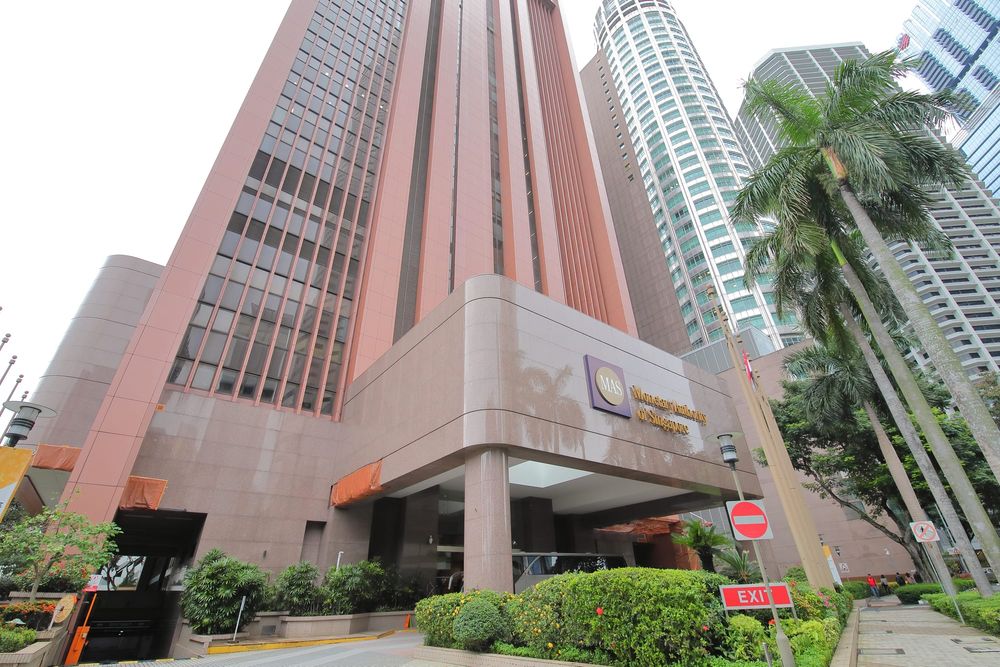
The Monetary Authority of Singapore (MAS) published its Sustainability Report 2025/2026 on 14 July 2026, setting out progress across four pillars: a climate-resilient financial sector, a vibrant sustainable finance ecosystem, a sustainable organisation and a climate-resilient investment portfolio.
In the report's risk management section, MAS said that this year, with technical assistance from the International Monetary Fund, it is conducting a top-down climate scenario analysis focused on the impact of acute physical risks on financial institutions' exposures. The exercise follows a 2025 workshop that MAS and the Singapore Sustainable Finance Association organised with Singapore banks and technical experts on climate risk modelling, stress testing and scenario analysis, with a focus on physical risk. MAS said it would continue to strengthen its internal scenario analysis capabilities and to focus on physical risks, in light of the increasing frequency and severity of extreme weather events observed globally.
SUPERVISORY EXPECTATIONS AND TAXONOMY REVIEW
The report highlights the Guidelines on Environmental Risk Management – Transition Planning, issued in March 2026, which set supervisory expectations for banks, insurers and asset managers to manage climate-related transition and physical risks. MAS also worked with SGX to implement climate disclosure requirements for listed issuers and updated its Good Disclosure Practices for Retail ESG Funds in June 2026.
On market development, MAS has initiated a review of the Singapore-Asia Taxonomy's technical screening criteria for selected sectors, including energy, maritime and data centres. The Green Investments Partnership under the Financing Asia's Transition Partnership (FAST-P) reached US$800mn in total participation at its second close in May 2026, up from US$510mn at first close, while the Energy Transition Acceleration Finance Partnership reached a first close with US$250mn for its displacement strategy. MAS also published the Transition Credits Coalition (TRACTION) final report and launched the Financial Sector Carbon Market Development Grant.
RESERVES PORTFOLIO
For the Official Foreign Reserves, MAS completed the shift of its Climate Transition Programme equities portfolio from passive to active management in FY2025. It said it continued to make progress towards reducing portfolio equities emissions by up to 50% by FY2030, with the weighted average carbon intensity of its developed markets equities and emerging markets portfolios down 52% and 12% respectively from FY2018 baselines.
MAS also reported that it met its FY2025 emissions reduction targets for its own operations, with Scope 1, Scope 2 and Scope 3 business air travel emissions down 33% and Scope 3 outsourced currency operations emissions down 45% against the FY2018 baseline.