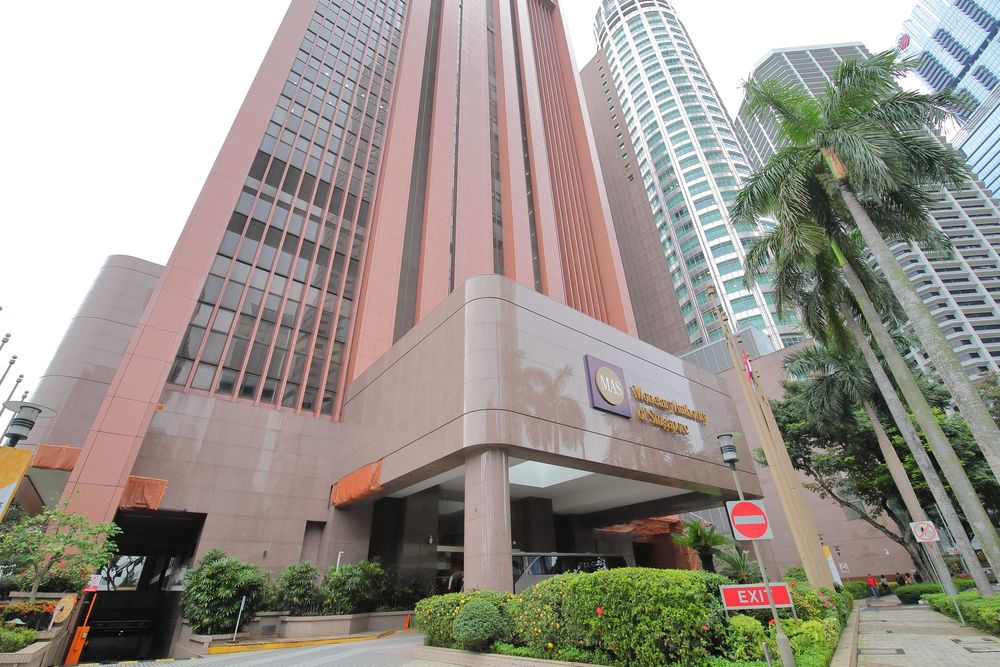
The Monetary Authority of Singapore left the settings of its Singapore dollar nominal effective exchange rate policy band unchanged at its April 2024 scheduled review, maintaining the slope, width, and mid-point at their current levels.
Singapore's monetary policy framework is distinctive in operating through the exchange rate rather than a conventional interest rate instrument. The MAS manages the SGD NEER — the trade-weighted value of the Singapore dollar against a basket of currencies of its principal trading partners — by setting the slope, width, and mid-point of a policy band within which the exchange rate is permitted to move. Steepening the slope tightens policy by allowing the exchange rate to appreciate more rapidly; reducing it eases conditions. Shifting the mid-point upwards or downwards recalibrates the target level for the currency basket.
CORE INFLATION REMAINS ELEVATED
Core inflation in Singapore remained above 3% in early 2024 (3.1% in January and 3.6% in February), well above its historical average of just under 2%.
The MAS tightened its exchange rate policy settings on five occasions between October 2021 and October 2022, progressively steepening the slope and re-centring the mid-point of the SGD NEER band upwards.
GROWTH OUTLOOK
The manufacturing sector had been weighed down in 2023 by a downturn in electronics and semiconductor demand — industries in which Singapore has a concentrated export base — though MAS expected a global electronics upturn to support growth during 2024.