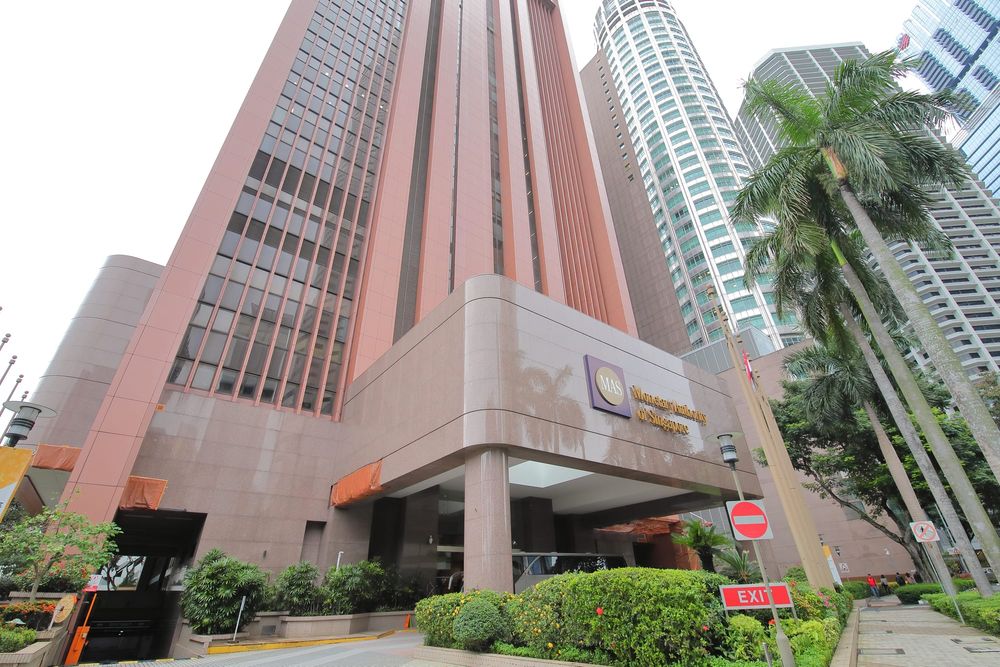
The Monetary Authority of Singapore kept its Singapore dollar nominal effective exchange rate policy band unchanged at its July 2025 policy review, pausing after two earlier easings as the central bank assessed the outlook for price stability and economic growth. The decision to hold steady reflected the MAS's view that its current policy settings remained appropriate given the prevailing inflation and growth dynamics in Singapore and the broader external environment, and that no further adjustment to the band was warranted at this juncture.
Singapore's central bank manages monetary policy through adjustments to the slope, width and centre of the S$NEER band rather than through a conventional interest rate instrument. Holding the band unchanged means the MAS is neither tightening nor easing the pace of currency appreciation, leaving the existing exchange rate trajectory in place as the primary mechanism for managing imported inflation and external price pressures across an economy that is deeply integrated into global trade and financial flows.
MAS FLAGS SECOND-HALF GROWTH RISKS
The MAS noted in its policy communication that Singapore's GDP growth was expected to slow in the second half of 2025, a signal that external headwinds and evolving domestic demand dynamics were creating a more cautious economic backdrop heading into the remainder of the year. Singapore's open, trade-dependent economy is particularly sensitive to shifts in global goods demand and supply chain conditions, and any softening in the major trading partner economies tends to feed through relatively quickly into the city-state's own growth metrics and export performance.
Despite the growth warning, the MAS indicated it was well-positioned to address medium-term price stability risks, suggesting the authority retained confidence that inflation would remain manageable without requiring an immediate further shift in the policy band. The framing reflected a watchful posture: neither complacent about the potential for price pressures to resurface nor prepared to add further stimulus in response to the anticipated growth moderation in the second half of the year.
The two earlier easings that preceded the July hold had already adjusted the policy band to reflect the changed economic environment, and the MAS's decision to pause implied that those cumulative adjustments were considered sufficient for the time being. Central banks across the Asia Pacific region have faced a similar calibration challenge in 2025, balancing residual concerns about inflation with softening growth indicators tied to weaker external demand and heightened global trade uncertainty.
EXCHANGE RATE POLICY IN A SLOWING ENVIRONMENT
Singapore's S$NEER-based framework gives the MAS a flexible instrument that can be adjusted incrementally across multiple dimensions, and the decision to hold the band at its current setting preserves the authority's optionality to respond to either upside price pressures or a sharper-than-expected growth deceleration in the months ahead. The July announcement confirmed that neither scenario had yet materialised with sufficient clarity or persistence to prompt a further policy adjustment at this review.
Financial markets in Singapore have remained attentive to the MAS's signals given the city-state's role as a major regional financial centre and the sensitivity of its banking sector to cross-border capital flows and foreign exchange conditions. The steady policy posture provides businesses and investors with a degree of near-term predictability on the exchange rate path, while leaving the central bank the flexibility to respond if the H2 2025 growth slowdown proves more pronounced than current projections indicate or if global inflationary pressures re-emerge unexpectedly.