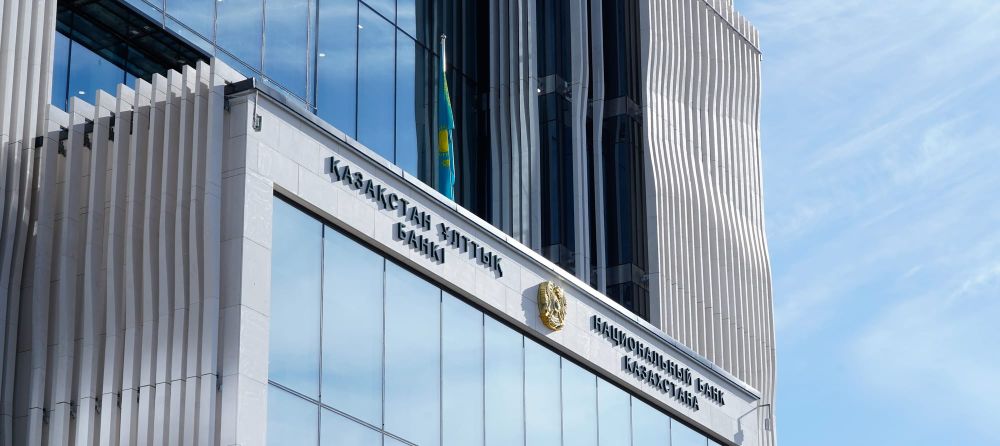
The Monetary Policy Committee of the National Bank of Kazakhstan decided to reduce the base rate to 15.75% per annum, down from 16.25%. The interest rate corridor stays at +/- 1 percentage point.
The decision follows a further slowdown in prices. Annual inflation fell to 9.3% in September 2026 from 9.8% in August, the twelfth consecutive monthly decline, supported by moderately tight monetary policy and favourable dynamics in the tenge exchange rate.
FOOD AND FUEL EASE, SERVICES STAY FIRM
Food inflation slowed to 8.5% in September from 9.5% in August, driven by lower prices for fruit and vegetables and slower meat price growth. Non-food inflation declined to 11.0% from 11.4% because of a slower annual rise in fuel and lubricant prices. Services inflation was unchanged at 8.9% amid high price growth for unregulated services.
Monthly inflation in September was 0.6%, matching August, while seasonally adjusted inflation was 0.7%, down from 0.9%. The median of seasonally adjusted core inflation estimates stayed at 0.7%, indicating persistent price pressures.
One-year-ahead inflation expectations of the population fell to 11.8% from 12.1%. Professional market participants lowered their forecasts to 9.5% for the end of 2026 and 8.3% for 2027.
GROWTH HOLDS DESPITE LOWER OIL OUTPUT
GDP grew by 4.2% in January–September 2026, led by non-resource sectors including construction, manufacturing and transportation. Capital investments rose by 7.0%, while non-budgetary investments in the non-resource sector surged by 25.0%.
The annual growth rate of consumer loans reached 10.4% in August. Overall economic growth is being held back by oil production, which fell by 8.3% over the first nine months.
EXTERNAL BACKDROP AND THE ROLE OF THE TENGE
Policy abroad has been mixed. The European and US central banks raised interest rates in September amid stronger inflationary pressures, while in Russia the central bank kept its key rate at 14%. Brent crude is trading above $100 per barrel, and the FAO Food Price Index rose to 136.0 points, up 1.5% month-on-month and 5.8% year-on-year.
Kazakhstan's disinflation has become increasingly reliant on the tenge, which has rallied 11% against the US dollar since the outbreak of the Iran war and 20% year-on-year. Even so, consumer prices remain significantly above the 5% target.
RATE PATH AND INFLATION TARGETS
The National Bank held the base rate at 18% at the start of 2026 and had cut it to 16.25% in September. The likelihood of further rate adjustments before the end of 2026 remains low, and later decisions will depend on sustained easing of underlying price pressures and the evolution of economic risks. The next scheduled decision will be announced on 4 December 2026.
The bank said a slight temporary acceleration in annual inflation remains possible towards the end of 2026 because of a low base effect from the utility tariff moratorium. That moratorium was in place from October 2025 and cut tariffs by 14% in the fourth quarter of 2025. The 2026 inflation forecast is unchanged at 9–11%, and the bank aims for a sustained decline in inflation in 2027 and to reach its 5% target during 2028.