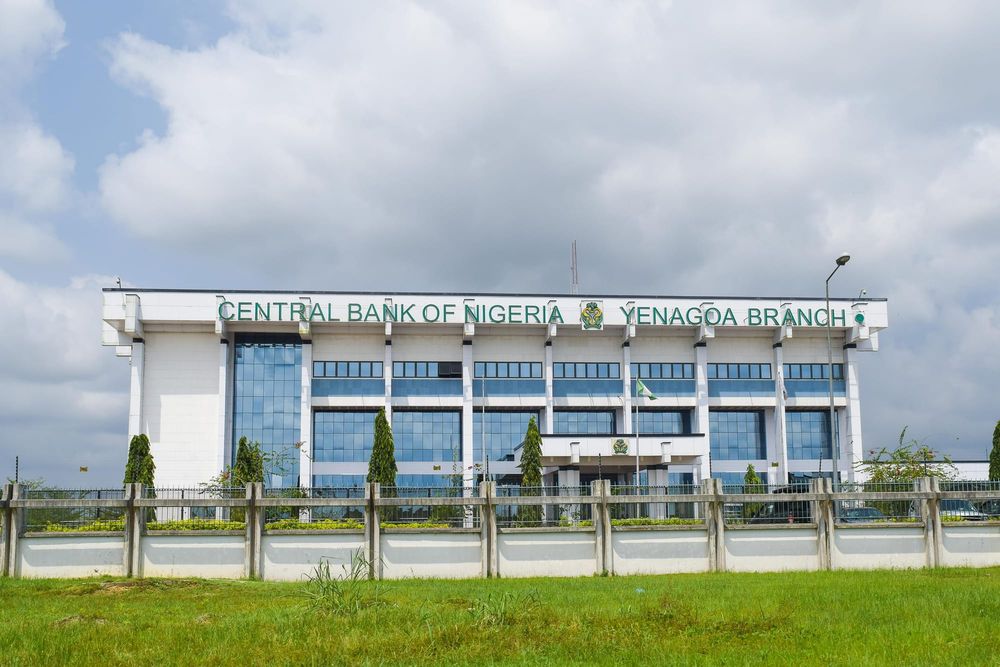
The Central Bank of Nigeria confirmed on 1 April 2026 that its 24-month bank recapitalisation exercise had reached its conclusion, with 33 Nigerian banks collectively raising N4.65 trillion in fresh capital over the course of the programme. The exercise, which ran from 1 April 2024 to 31 March 2026, required banks to meet the revised minimum capital requirements the CBN set in March 2024: N500 billion for banks with international licences, N200 billion for national banks and N50 billion for regional banks.
The CBN said the outcome of the exercise reflected sustained confidence in the Nigerian banking sector. Of the total capital raised, 72.55% was sourced from domestic investors, with the remaining 27.45% drawn from international markets.
SCALE AND SCOPE OF THE EXERCISE
Under the CBN's March 2024 circular, banks could raise capital through fresh equity (private placements, rights issues or offers for subscription), through mergers and acquisitions, or by changing their licence authorisation; one bank was downgraded to a lower licence tier.
CBN Governor Olayemi Cardoso said the programme "has strengthened the capital base of Nigerian banks, reinforcing the resilience of the financial system and ensuring it is well-positioned to support economic growth and withstand domestic and external shocks."
IMPLICATIONS FOR THE NIGERIAN FINANCIAL SECTOR
The CBN said capital adequacy ratios across the sector now exceed Basel benchmarks and the regulatory minimums of 10% for national and regional banks and 15% for banks with international authorisation. The exercise was implemented alongside an orderly exit from regulatory forbearance, which the CBN said improved asset quality and balance-sheet transparency.
Of the banks yet to meet the requirements, Unity Bank is merging with Providus Bank and Union Bank's acquisition by Titan Trust Bank is going through a judicial process, according to the CBN. The CBN said a limited number of institutions remain subject to ongoing regulatory and judicial processes, which are being addressed through established supervisory and legal frameworks, and that all banks remain fully operational.