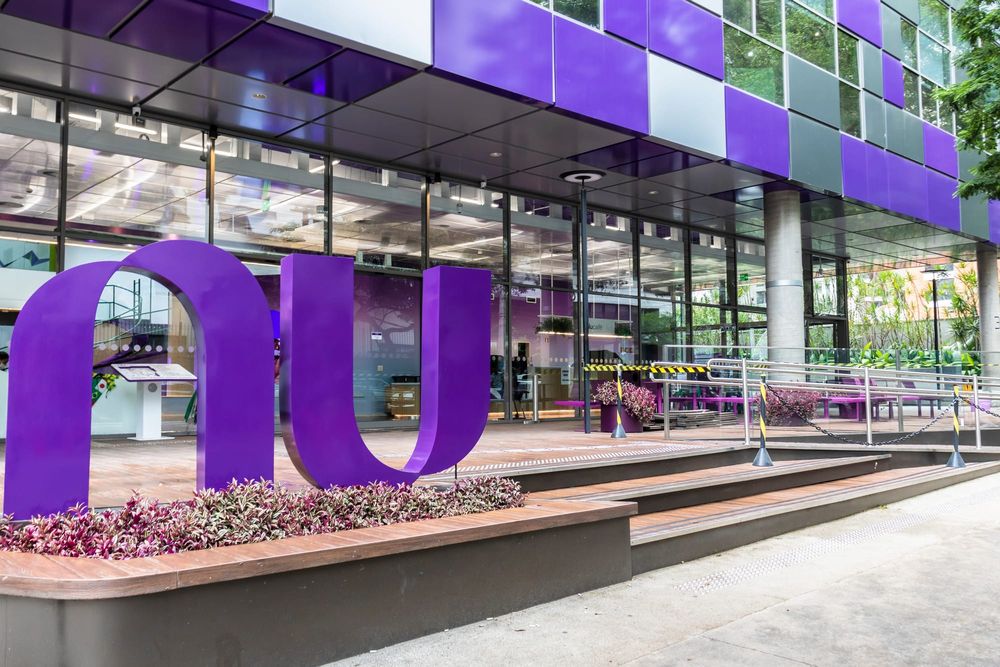
Nu is expanding beyond Latin America for the first time with a US consumer banking proposition and a separate stablecoin-powered global account, extending one of the world’s largest digital banking platforms into a highly competitive market while targeting the cost and complexity of cross-border money movement.
The group plans to offer US customers current accounts, debit and credit cards, savings products and domestic and international transfers. Customer deposits will initially be held with an FDIC-insured partner while Nu continues the process of establishing its own regulated banking infrastructure in the country.
The expansion represents an important geographic shift for a company whose growth has largely been built across Brazil, Mexico and Colombia. Alongside the US banking launch, Nu is developing a multi-currency global account designed to use stablecoin infrastructure to support international transfers.
FROM LATIN AMERICAN CHALLENGER TO GLOBAL PLATFORM
Nu’s expansion reflects the increasing international ambitions of digital banks that have reached significant scale in their home markets. The company built its position by using mobile-first distribution, simplified products and lower operating costs to compete against established banking groups across Latin America.
Entering the US changes the competitive environment. The market combines some of the world’s largest banks with established fintech platforms and digital banking providers, making customer acquisition and differentiation considerably more challenging.
Nu’s strategy appears to centre on combining conventional banking products with an international financial proposition. That could give the group a differentiated offer among consumers and families with financial relationships spanning multiple countries.
STABLECOINS MOVE CLOSER TO MAINSTREAM BANKING
The stablecoin component is strategically significant. Financial institutions are increasingly examining tokenised money and stablecoins as infrastructure for international settlement, particularly where traditional correspondent banking can involve multiple intermediaries, higher fees and limited operating hours.
Nu’s approach illustrates how that technology could move from institutional pilots into consumer-facing financial products. Rather than positioning digital assets primarily as an investment product, the company is using stablecoin infrastructure to address a traditional banking problem: moving money between countries more efficiently.
WHY IT MATTERS
Nu’s US entry represents the convergence of three trends reshaping retail banking: the internationalisation of digital banks, the emergence of stablecoins as payment infrastructure and growing competition around cross-border financial services.
For incumbent banks, the challenge is increasingly broader than account fees or mobile experience. Digital challengers can combine banking, payments, foreign exchange and new settlement technologies within a single platform. Nu’s ability to translate its Latin American scale into sustainable US customer growth remains to be tested, but its decision signals where the next phase of digital banking competition may be heading.