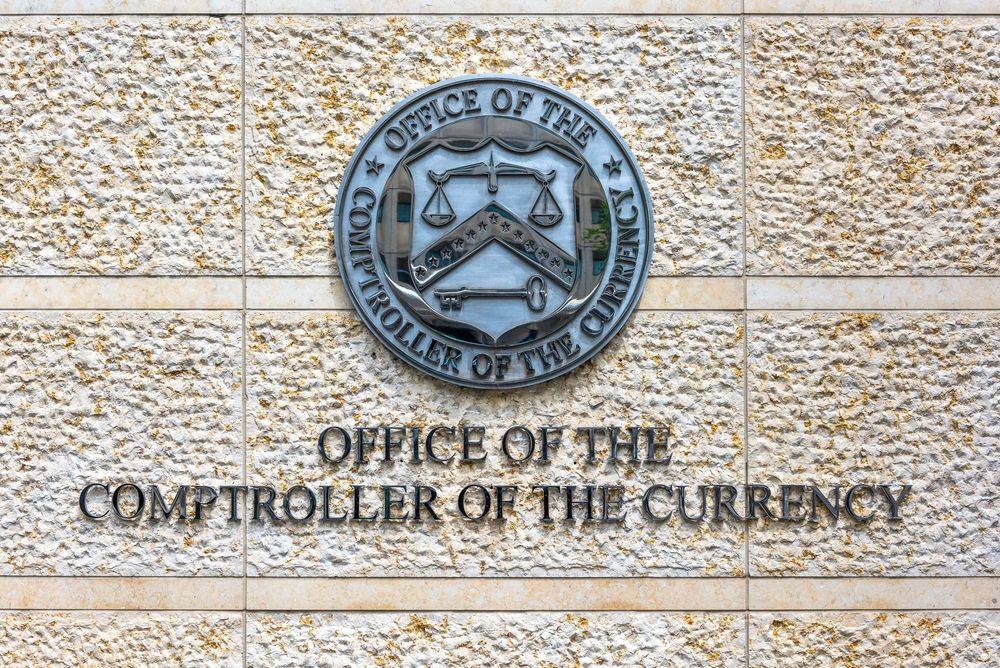
The Office of the Comptroller of the Currency has issued a Cease and Desist Order against Clear Fork Bank, N.A., headquartered in Albany, Texas, directing the bank to correct longstanding deficiencies in its Bank Secrecy Act and anti-money-laundering compliance programme. The action, recorded under Docket No. AA-ENF-2024-82, was formalised on 21 November 2024 and supersedes in part an earlier formal agreement the OCC had reached with the bank in February 2021. The escalation marks a significant step in the regulator's efforts to compel remediation at the Texas community lender.
The November order represents a clear escalation of regulatory pressure on Clear Fork Bank. The 2021 formal agreement had already put the institution on notice to remediate identified BSA/AML weaknesses, establishing specific obligations around customer due diligence, transaction monitoring, and suspicious-activity reporting. The OCC's determination that sufficient corrections had not been made in the intervening years prompted the regulator to deploy the stronger enforcement mechanism of a cease-and-desist order, which carries materially greater legal consequences than a formal agreement.
BSA/AML FAILURES SPAN MULTIPLE YEARS
The Bank Secrecy Act requires financial institutions to maintain robust, risk-based programmes for detecting and reporting suspicious activity. Those obligations encompass know-your-customer procedures, real-time transaction monitoring calibrated to the risk profile of the customer base, and timely filing of suspicious activity reports with the Financial Crimes Enforcement Network. When the OCC entered into its formal agreement with Clear Fork Bank in February 2021, the bank was already deemed to have fallen short of those standards. The November 2024 order signals that the deficiencies identified three years earlier had not been fully corrected, a finding that reflects poorly on both the bank's internal compliance governance and the pace of its remediation efforts.
A Cease and Desist Order carries enforceable legal weight. Under the order, Clear Fork Bank's board of directors and senior management are legally obligated to implement specific corrective measures enumerated by the OCC, and the regulator retains authority to seek civil money penalties or initiate further enforcement actions should compliance remain insufficient. The bank has not publicly contested the issuance of the order, and no statement from the institution had been published on the OCC's website at the time of the announcement.
COMMUNITY BANKS FACE HEIGHTENED COMPLIANCE SCRUTINY
The action reflects a sustained OCC focus on BSA/AML compliance at smaller institutions. Community banks frequently operate with leaner compliance teams and more limited technology budgets than larger competitors, making it harder to implement and maintain sophisticated transaction-monitoring systems that can keep pace with evolving regulatory expectations and typologies of financial crime. Regulators have consistently signalled that asset size provides no exemption from the full requirements of the Bank Secrecy Act and associated OCC regulations.
For Clear Fork Bank, the immediate priority will be demonstrating measurable progress against the corrective actions set out in the order. The bank's board bears direct accountability for the pace, quality, and sustainability of that remediation programme. Until the OCC is satisfied that the institution's BSA/AML framework meets statutory and regulatory standards in full, the cease-and-desist will remain in force. Failure to comply could expose the bank's leadership to personal supervisory consequences in addition to any institutional sanctions that the OCC might elect to impose.