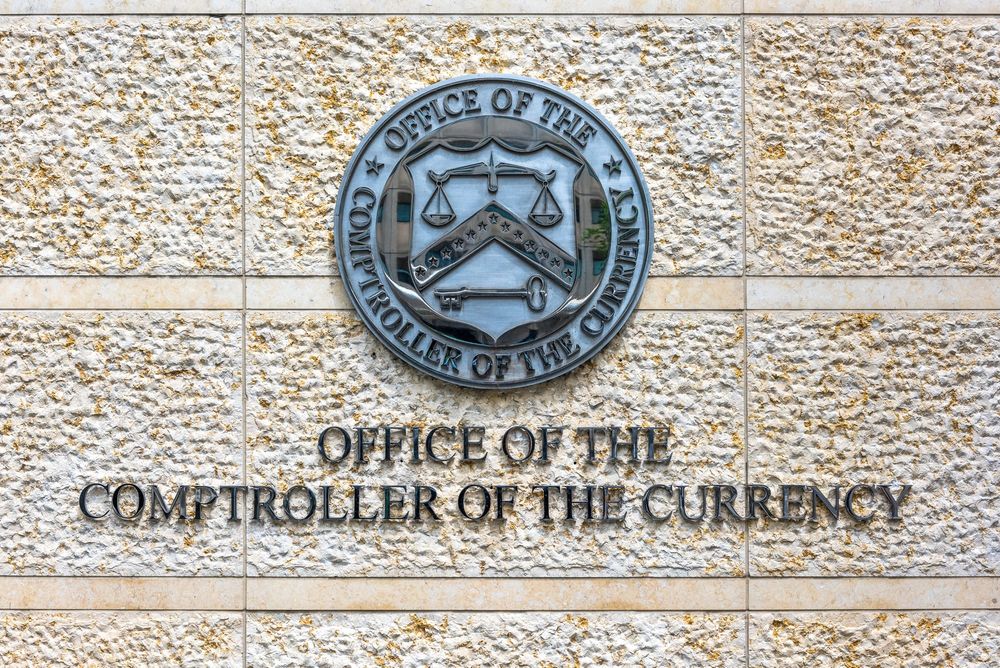
The Office of the Comptroller of the Currency published its monthly enforcement action package on 18 December 2025, setting out the formal supervisory measures taken against national banks and federal savings associations during the period. The December release follows the OCC's established practice of disclosing enforcement decisions on a regular monthly cycle, providing public transparency over the corrective actions applied to institutions within its regulatory perimeter and reinforcing the accountability standards that govern the US national banking system.
The December enforcement actions address a range of supervisory concerns, including violations of applicable laws and regulations, unsafe or unsound banking practices, and failures in consumer protection. The OCC uses its enforcement powers to ensure that regulated institutions identify and remediate material deficiencies in a timely and effective manner, and the monthly publication of those actions provides the market with a visible record of the issues that have attracted formal regulatory intervention in the preceding period.
ENFORCEMENT POWERS SERVE MULTIPLE OBJECTIVES
The OCC's monthly enforcement publication serves several functions within the broader US banking supervisory framework. For the institutions directly subject to action, the public nature of the disclosure creates reputational consequences that reinforce the commercial incentive to address underlying deficiencies promptly and thoroughly, above and beyond the direct legal obligations imposed by the enforcement order itself. For peer institutions, the details of what conduct or control failure attracted intervention provide a signal about current supervisory priorities and the categories of risk that are attracting heightened examiner attention.
Enforcement actions under the OCC's authority can take a range of forms calibrated to the nature and severity of the problems identified. At the less formal end of the spectrum, supervisory agreements and commitment letters set out remediation expectations without creating public legal obligations. Formal enforcement instruments — including consent orders, cease-and-desist orders, and civil money penalties — impose binding legal requirements and carry reporting obligations that keep the OCC informed of progress. The December package reflects the outcomes of examination and supervisory work that may have been initiated considerably earlier in the year.
CONSUMER PROTECTION REMAINS A SUPERVISORY FOCUS
Consumer protection continues to feature prominently across the OCC's enforcement programme. The regulator has maintained focus on the fair treatment of bank customers across a range of conduct areas, including compliance with fair lending obligations, clarity of fee disclosures, handling of customer complaints, and practices in debt collection and loan servicing. Actions in this category are consistent with the wider federal emphasis on retail banking conduct standards, which has been reflected in regulatory and supervisory activity across multiple agencies overseeing different segments of the US financial system.
The December 2025 release completes the OCC's enforcement disclosure calendar for the year. The cumulative record of actions taken across all monthly packages in 2025 will form part of the evidence base used by the regulator and by external analysts to assess whether particular categories of operational or compliance risk are becoming more or less prevalent across the national banking system. Institutions that appear in the December package will be required to provide the OCC with regular progress updates against the remediation commitments set out in their respective orders, maintaining the supervisory engagement beyond the date of initial publication.