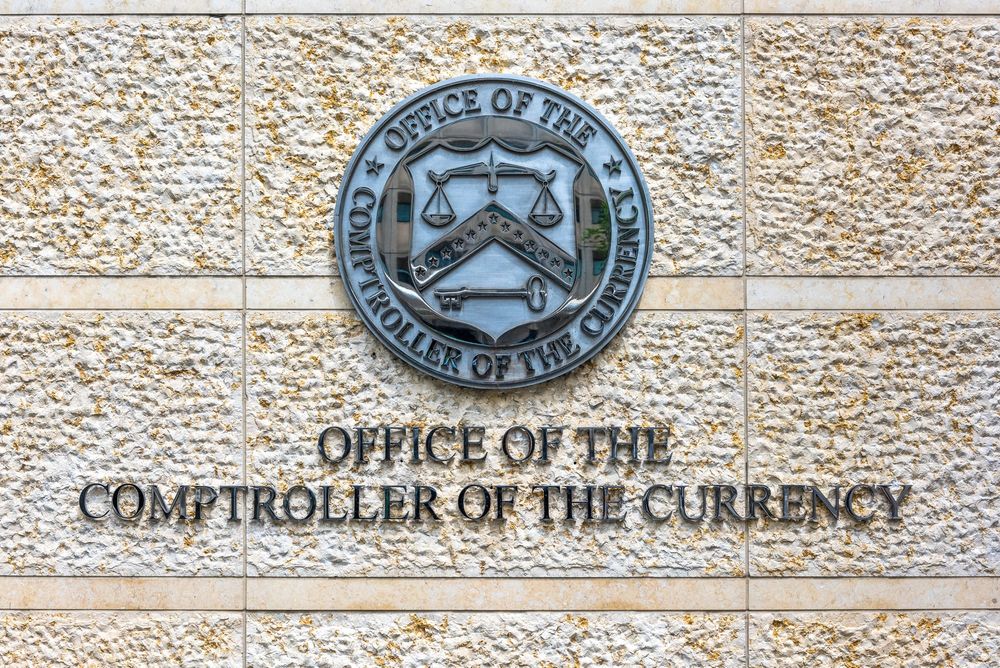
The Office of the Comptroller of the Currency published its scheduled monthly enforcement action release on 20 November 2025, disclosing a set of formal regulatory measures taken against supervised national banks and federal savings associations. The monthly release covered formal agreements and cease-and-desist orders, the two most significant categories of public enforcement tools available to the OCC, as the regulator maintained its established practice of making all material supervisory actions publicly available in a timely and consistent manner.
The OCC issues enforcement actions against national banks under its statutory authority to require institutions to correct identified deficiencies in their operations, risk management frameworks, or compliance programmes. The agency's mandate covers the full spectrum of national banks chartered under federal law, making it one of the most consequential bank supervisors in the United States, with oversight of institutions ranging from the largest globally systemically important banks to smaller community and regional lenders.
FORMAL AGREEMENTS AND CEASE-AND-DESIST ORDERS EXPLAINED
A formal agreement represents a negotiated, binding commitment entered into between the OCC and the board of directors of a supervised institution, in which the bank agrees to take specified corrective actions — such as improving internal audit functions, strengthening risk management processes, or enhancing compliance staffing — within agreed timeframes. Unlike informal supervisory communications, formal agreements are publicly disclosed and carry legal force. Failure to comply with the terms of a formal agreement can expose the institution and its directors to further escalation.
Cease-and-desist orders carry a greater degree of legal authority and are deployed when the OCC has determined that an institution, or a party affiliated with it, has engaged in, is engaging in, or is about to engage in unsafe or unsound practices, or in violations of applicable law or regulation. The issuance of a cease-and-desist order typically requires the institution to stop the offending conduct immediately, take affirmative remedial steps, and submit to enhanced regulatory scrutiny until the OCC is satisfied that the conditions leading to the order have been fully addressed.
TRANSPARENCY AS A SUPERVISORY TOOL
The OCC's policy of publicly disclosing all significant enforcement actions reflects a longstanding regulatory philosophy that market transparency supports supervisory effectiveness. Counterparties, investors, depositors, and the public at large are better positioned to make informed decisions when they have access to accurate information about the supervisory condition of banks they interact with. Public disclosure also creates reputational incentives for institutions to maintain high standards of compliance, since the existence of a formal enforcement action is visible to competitors, analysts, and potential business partners.
The November 2025 publication was consistent with the OCC's standard schedule, under which enforcement actions agreed or finalised during a given month are disclosed in the following monthly bulletin. The November release formed part of a series of monthly disclosures through which the OCC maintained continuous public reporting on its supervisory activities throughout 2025, fulfilling the transparency obligations inherent in its mandate to supervise and regulate the national banking system in the public interest. Each release in the series provided market participants with an up-to-date picture of the supervisory conditions affecting individual national banks, reinforcing the information discipline that underpins confidence in the safety and soundness of the federally chartered banking sector.