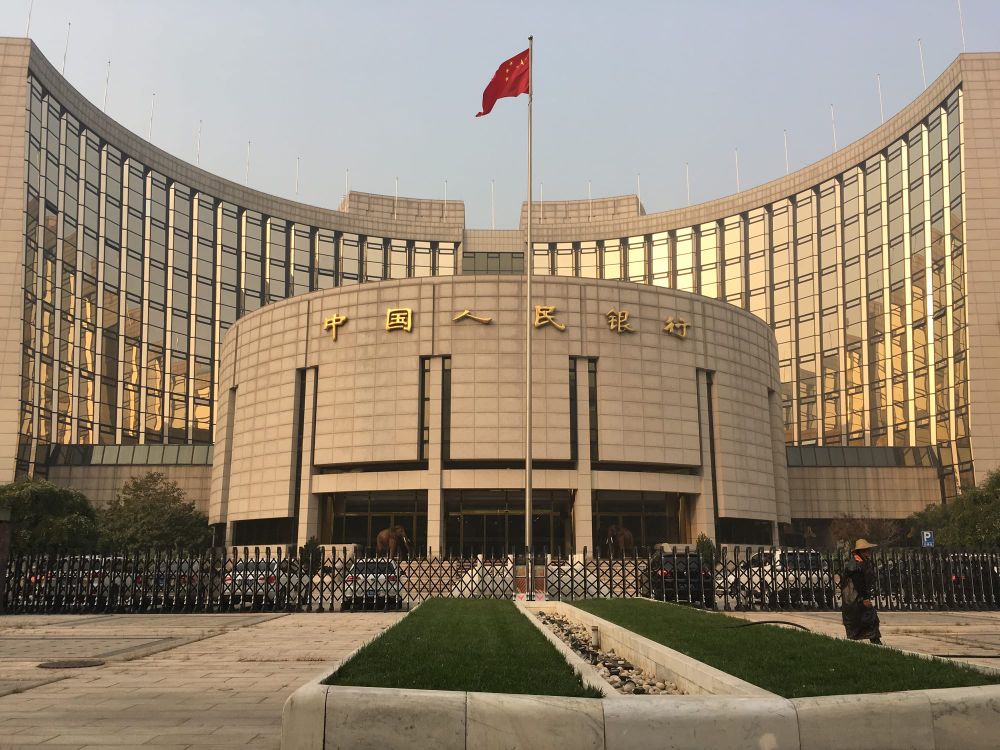
The People's Bank of China (PBOC) has decided to establish a bond-market swap facility to address large redemptions at nonbank investment firms when stress threatens China's bond market. The instrument is called the Bond Market NBFI Swap Facility (BNSF), and the decision names the facility and specifies its financing mechanism.
The BNSF is intended for episodes in which asset managers face widespread liquidity strain and the bond market comes under systemic pressure. Its purpose is to help maintain bond-market stability during such episodes.
WHO CAN BORROW AND HOW IT WORKS
Systemically significant bank wealth management subsidiaries and managers of publicly offered funds would be eligible, along with their parent banks or securities firms.
Participants could borrow central bank bills from the PBOC and use them to raise cash through repurchase agreements, known as repos. The proceeds would finance purchases of eligible bonds or fund units from their own publicly offered products facing redemptions.
COLLATERAL AND PRUDENTIAL CONDITIONS
Participants would pledge the purchased assets to the PBOC and must continue to meet financial-market prudential requirements.
Participating institutions must continuously satisfy financial market prudential management requirements and maintain market discipline.
POLICY RATIONALE AND AN EARLIER FACILITY
The PBOC said it set up the BNSF to further implement the requirement of building a scientific and robust monetary policy system and a comprehensive macro-prudential management system, as well as to maintain bond market stability.
The central bank has used a similar swap approach before. It created the Securities, Funds and Insurance companies Swap Facility (SFISF), which supports eligible securities, fund and insurance companies in swapping assets such as bonds and stocks for high-grade liquid assets, including government bonds and central bank bills.
That earlier scheme was aimed at the equity market, giving eligible securities firms, fund companies and insurers easier access to funding to buy stocks. The PBOC conducted its first operations under it, exchanging 50 billion yuan ($7 billion) in assets with brokerages, fund companies and insurers.