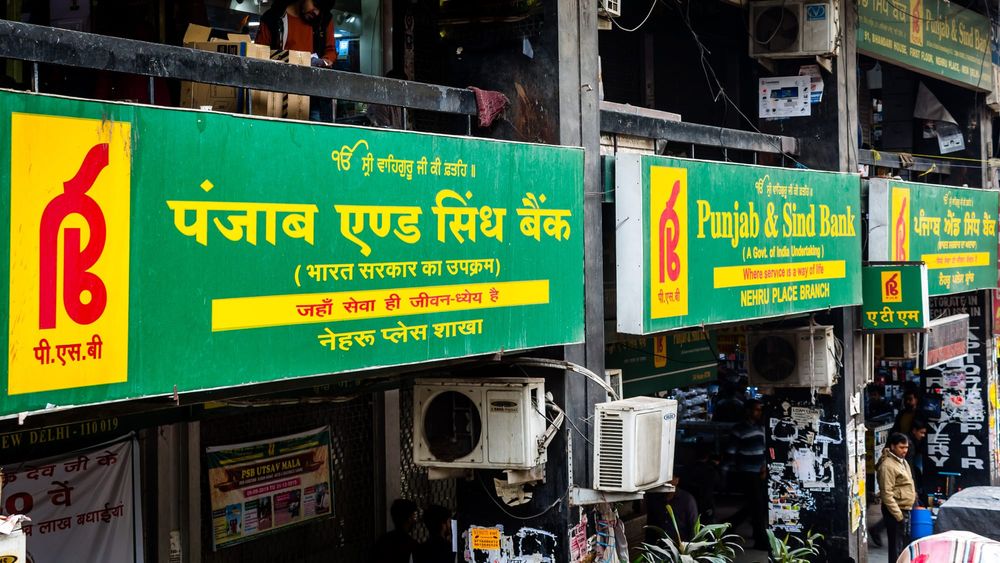
Punjab & Sind Bank reported a record profit of ₹1,322 crore in fiscal 2026 and said its management kept a close watch on the micro, small and medium enterprise loan book amid concerns that a prolonged West Asia crisis could dent borrower cashflows.
The bank also disclosed a medium-term growth ambition and targeted a ₹4 lakh crore business by FY29, underscoring a twin focus on scaling operations while monitoring asset quality. The disclosure came as the lender reviewed performance metrics for the year and outlined priorities for the coming quarters.
RISK MANAGEMENT AND MSME EXPOSURE
Management singled out the MSME segment for heightened scrutiny, saying external shocks in West Asia could transmit to domestic borrowers through trade links, payment delays and reduced remittances. The bank described active monitoring of collections and borrower liquidity, and said it remained alert to early signs of stress in pockets of its retail and small-business portfolios.
MSME lending has historically carried higher operational risk and volatility than large corporate exposures, due to concentrated cashflows and limited access to capital markets. For a bank that reported a record annual profit, management emphasized the need to reconcile growth ambitions with prudent credit administration, including timely recognition of stress and calibrated provisioning.
IMPLICATIONS FOR STRATEGY AND MARKETS
The bank framed its FY29 business target as part of a broader strategy to expand customer relationships and diversify revenue, while keeping an eye on macro developments that could affect asset quality. Investors and analysts typically view such statements through the lens of execution risk, given the trade-off between rapid credit expansion and potential deterioration in loan performance.
Banking-sector observers noted that regional geopolitical developments can affect trade corridors, worker remittances and commodity prices, all of which can influence borrower repayment capacity across certain MSME segments. For lenders, those dynamics tend to put a premium on portfolio surveillance, early-warning systems and sector-specific exposure limits.
Punjab & Sind Bank’s disclosure of both a record profit and a caution on MSME cashflows illustrated a common theme in banking: earnings momentum can coexist with vigilance on credit quality. The bank said it already implemented closer monitoring protocols for the MSME book and that it would align provisioning and collections efforts with emerging risk indicators.
Market participants will watch the bank’s quarterly disclosures for signs that increased monitoring translated into shifts in credit costs or loan-loss provisions. Analysts typically track trends in non-performing assets, fresh slippages and coverage ratios to assess whether a lender’s risk controls offset pressure from external shocks.
For the broader sector, a wave of stress in MSME portfolios would have implications for liquidity management, wholesale funding plans and capital buffers. Regulators and policymakers often respond to such developments with guidance on forbearance, restructuring frameworks and targeted support measures, depending on the scale and persistence of stress.
Punjab & Sind Bank’s statement linked corporate targets with near-term risk controls, reflecting a managerial preference to pursue growth while maintaining oversight of vulnerable loan segments. Observers said the interaction between geopolitical uncertainty and domestic credit cycles would remain a key determinant of the bank’s performance in the near term.
Sources: The Hindu Business Line Banking