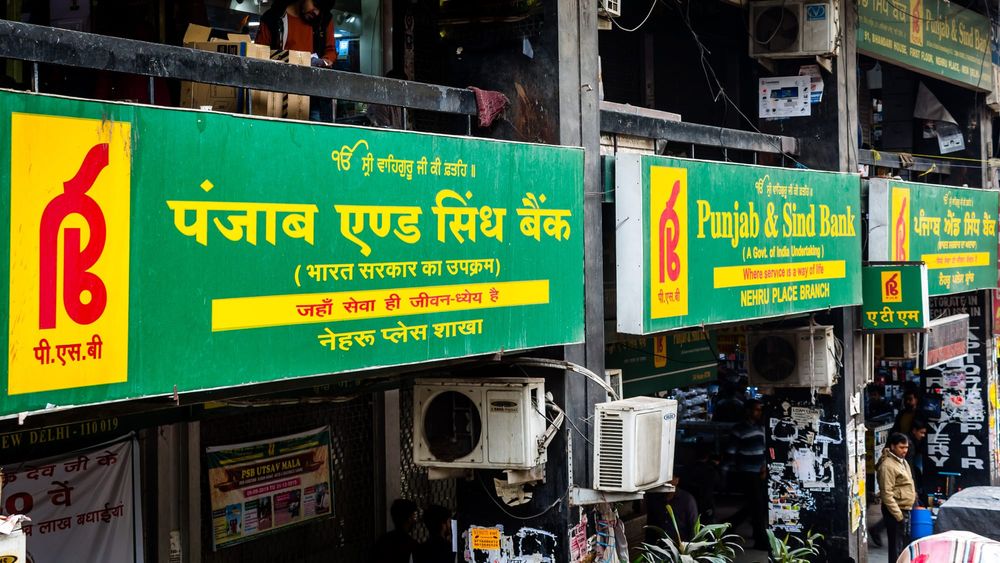
Punjab & Sind Bank posted a record profit of ₹1,322 crore in fiscal 2025-26 and said it was keeping a close watch on its MSME loan book as a prolonged West Asia crisis could affect borrower cashflows, while the bank maintained a target to build a ₹4 lakh crore business by fiscal 2028-29.
MANAGEMENT RESPONSE AND RISK FOCUS
The bank's management signalled heightened vigilance on micro, small and medium enterprise exposures after reporting the annual result. Management said it had stepped up monitoring of MSME accounts and was tracking cashflow stress indicators closely, given the potential for a prolonged geopolitical disruption in West Asia to interrupt trade and remittance channels that many small firms in India rely on.
In its communication around the results, the bank framed the watch on MSMEs as a proactive risk-management step rather than a response to an immediate deterioration. Executives said they were assessing payment cycles, working capital strains and sectoral pockets that could be most sensitive to slower flows from West Asia, and were prepared to take calibrated provisioning or restructuring measures if required.
Punjab & Sind Bank's announcement paired the profit disclosure with strategic targets, including growing overall business to ₹4 lakh crore by fiscal 2028-29. The bank said it would pursue this through calibrated credit growth while managing asset quality. The dual emphasis on growth and risk monitoring reflects a broader industry balancing act as lenders sought to restore profitability after years of pressure on margins and asset quality.
MARKET CONTEXT AND IMPLICATIONS
The bank's results and comment on MSME risk came as Indian lenders navigated a volatile external environment. Banks with concentrated corporate or retail exposure to markets in West Asia face channels of transmission from geopolitical shocks, including trade disruptions, lower remittances and changes in commodity prices that can affect borrower cashflows and collateral values.
For Punjab & Sind Bank, the management's emphasis on monitoring was intended to reassure investors and depositors that the bank would respond to stress without unduly curtailing credit flows to viable small businesses. A targeted, data-driven surveillance of the MSME portfolio could limit contagion to other segments of the balance sheet, provided early warning indicators trigger timely management action.
Analysts monitoring the sector said that the test for lenders will be whether early indicators translate into material deterioration in nonperforming loans, or whether banks can contain stress through adjustments in working capital financing, restructured terms and conservative provisioning. The bank's reported profit provided some buffer to absorb potential provisions, but management underscored the need for vigilance rather than complacency.
Beyond immediate balance-sheet considerations, the episode underscored the linkages between geopolitical developments and domestic credit conditions. MSMEs often operate with thin liquidity buffers and depend on timely payments from buyers and remitters, some of whom have exposures to or operate from West Asia. Disruptions in that region therefore have the potential to cascade into domestic income shortfalls and loan performance pressure.
Punjab & Sind Bank's stated growth target to expand to ₹4 lakh crore in business by fiscal 2028-29 suggested a continued emphasis on scale even as the lender signalled caution on certain portfolios. How the bank balances credit origination, pricing and provisioning will be watched by market participants, given the sectoral sensitivity to external shocks.
Investors and counterparties typically look for clear indicators that banks are identifying stress early and have credible mitigation plans, including tightened underwriting, active portfolio rebalancing and robust collections frameworks. The bank's public statement on monitoring its MSME book was positioned as part of that effort.
Sources: The Hindu Business Line Banking