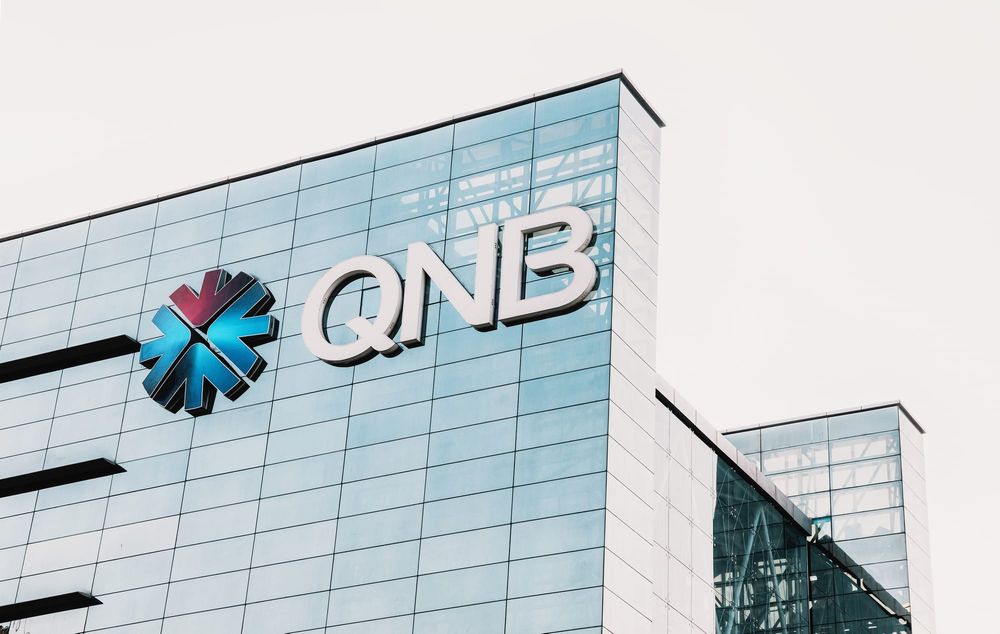
QNB Group increased net profit for the first nine months of 2026 by 4% from a year earlier to QAR13.3 billion. Operating income rose 8% to QAR36 billion, supported by growth across several revenue sources. The Qatar-based bank also reported higher assets and lending as it expanded its balance sheet.
Total assets reached QAR1.464 trillion at the end of September, up 5% year on year. Loans and advances increased 6% to QAR1.061 trillion, while customer deposits rose 2% to QAR979 billion. CNBC Arabia reported third-quarter net profit of QAR4.63 billion, compared with QAR4.43 billion a year earlier.
LENDING GREW FASTER THAN DEPOSITS
The figures showed lending expanding faster than customer funding over the period. QNB nevertheless reported liquidity ratios above regulatory requirements, with a liquidity coverage ratio of 145% and a net stable funding ratio of 108%. Those measures indicate the group retained substantial short-term and structural liquidity buffers as its loan book grew.
Credit quality remained a key point of attention. The ratio of non-performing loans to gross loans stood at 2.7%, and the bank reported a 97% coverage ratio for impaired exposures. Its capital adequacy ratio was 19.7%, providing a buffer against credit and market risks.
CAPITAL AND ASSET QUALITY STAY IN FOCUS
The results place QNB among the first large Gulf banks to report for the September quarter. Its balance-sheet growth offers an early indication of credit demand in Qatar and the wider markets where the group operates. The mix between loan expansion, deposit gathering and funding costs will remain important for margins.
Investors will next assess whether the bank can sustain revenue growth while keeping problem loans contained. Full-year results will provide a clearer view of funding costs, impairment charges and the durability of lending demand. Any change in regional interest rates could also affect margins and liquidity management.