Sweden's Riksbank raised its policy rate by 0.25 percentage points to 2 per cent on Wednesday, its first increase in more than two years, and said further rises were likely in the coming year if the outlook for inflation and economic activity holds. The move takes the rate up from 1.75 per cent.
The Riksbank said stronger economic activity and cost increases from supply disruptions mean inflation is expected to keep rising. The new rate applies from 11 November 2026, and minutes of the meeting will be published on 10 November 2026.
INFLATION DRIVERS
Global inflationary pressures remain elevated, the bank said, because of supply disruptions linked to the war in the Middle East. At home, CPIF inflation was 1.5 per cent in September, in line with the Riksbank's latest forecast, and 3 per cent once the direct effects of temporary fiscal measures are stripped out.
The measure the Riksbank says currently best reflects underlying inflation, which also excludes energy prices, was 1.6 per cent, slightly lower than expected. Even so, the bank expects stronger activity, supply-driven costs and this year's weaker krona to contribute to both CPIF and underlying inflation rising above 2 per cent next year.
FROM A PAUSE TO A RISE
At its last meeting, in September, the Riksbank kept the policy rate unchanged at 1.75 per cent, describing measured inflation as low but saying stronger activity, a weaker krona and higher energy prices meant it was expected to rise. The rise is in line with the policy rate forecast the bank published in September.
Sweden's banking system is dominated by three domestic universal banks, SEB, Handelsbanken and Swedbank, alongside Nordea, and Finansinspektionen reports that seven banks account for more than 80% of lending to the public.
MARKETS AND RISKS
The decision had been widely expected: SEB had described a November rise as close to a done deal. According to SEB economists, market pricing points to further increases totalling 1.11 percentage points over the next year, against 0.61 percentage points for the US Federal Reserve and 0.69 percentage points for the European Central Bank over the same period.
"The Riksbank is effectively having to play catch-up with the rest," SEB strategist Amanda Sundström told TT. A Newsquawk preview, by contrast, said analysts expect a pause in December before a final rise in February.
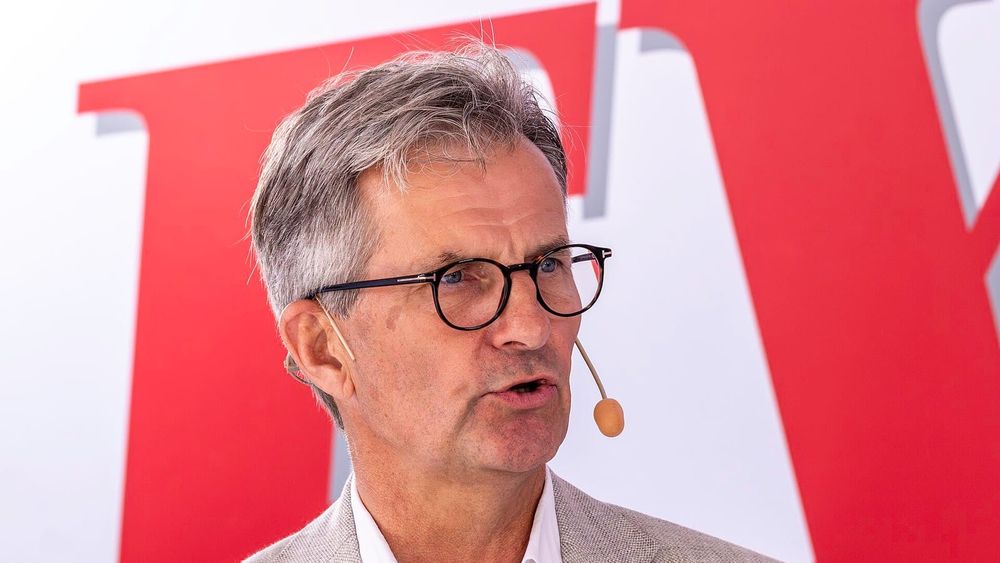
The bank flagged risks in both directions. Persistent supply disruptions raise the risk that inflation will be too high, while geopolitical uncertainty, concerns about AI investments and weak public finances in certain countries could weaken demand. Governor Erik Thedéen and Åsa Olli Segendorf, head of the Monetary Policy Department, were due to present the decision at a press conference at the Riksbank.
THE TGB VIEW
In the TGB Bank Rankings, SEB is 94th globally and Handelsbanken 99th, while Swedbank, 34th in the Europe table, earned the highest 2025 return on equity of Sweden's three domestic universal banks at 14.5%, against 13.5% at SEB and 11.9% at Handelsbanken. Those returns now face the first rate rise in more than two years in a market where seven banks account for more than 80% of lending to the public. The next test is 16 December 2026, when the Riksbank announces its next decision alongside a Monetary Policy Report with new forecasts.
Related: Sveriges Riksbank holds policy rate at 1.75% in August, keeps possibility of hike this year
Bank news that matters, every weekday.
Follow The Global Banker on LinkedIn